









Nigeria’s Debt Management Office (DMO) is set to return to the domestic debt market next week with plans to raise ₦900 billion through the auction of reopened Federal Government of Nigeria (FGN) bonds at its scheduled monthly primary market sale.
Market participants say prevailing inflation levels and system liquidity conditions will largely shape investor appetite at the auction, although analysts expect adjustments in spot rates to influence bidding behaviour. According to investment analysts who spoke with MarketForces Africa, demand dynamics remain cautious amid lingering concerns about domestic macroeconomic stability.
The auction follows the release of the DMO’s January bond offer circular, which confirmed the reopening of three benchmark instruments: the February 2031 five-year bond, the February 2034 seven-year bond, and the January 2035 seven-year bond. The total amount on offer across the three tenors stands at ₦900 billion.
Analysts anticipate that government domestic borrowing requirements will rise further in 2026 as Nigeria’s fiscal deficit continues to widen. Some market watchers believe accessing the international debt market through a Eurobond issuance in the first quarter of the year could prove costly, given current global interest rate conditions and elevated risk premiums.
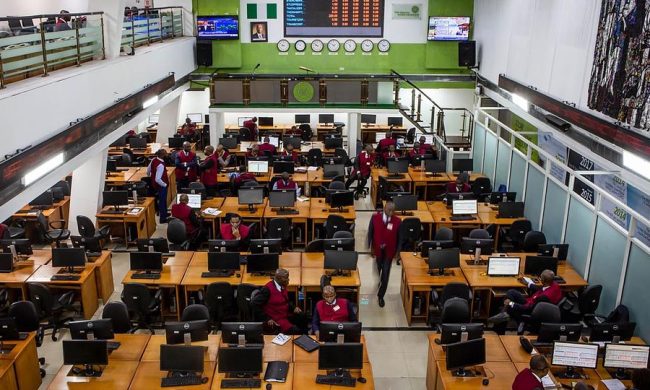
Activity in the secondary bond market remained muted following the announcement. Yields edged higher across benchmarks, with the market closing on a slightly bearish note. Average benchmark yields expanded by one basis point to settle at 16.74%, reflecting weak local investor sentiment toward naira-denominated fixed-income securities.
Trading interest was concentrated around short- to mid-tenor maturities, while activity at the long end of the curve was limited. At the short end, selling pressure pushed yields on the March 2027 and April 2029 bonds higher by one basis point and seven basis points to 16.97% and 17.26%, respectively.
Mid-curve trading was mixed. Market data showed yields on the 2033 FGN bond rose by 12 basis points, partially offset by a seven-basis-point decline on the 2032 instrument, according to reports from investment firms tracking bond flows.
Analysts expect current market conditions to persist in the near term as investors position ahead of the January auction. Yield movements, they say, will continue to be driven by supply levels, investor demand, and broader liquidity conditions within the financial system.







 is set to return to the domestic debt market next week with plans to raise ₦900 billion through the auction of reopened Federal Government of Nigeria (FGN) bonds at its scheduled monthly primary market sale.)