







By Emmanuella Opara | November 5th 2026
KEY POINTS
- Nigeria’s print media industry faces declining readership, advertising revenue and financial difficulties.
- Industry practitioners warn that digital media disruption and economic pressures have intensified challenges facing newspaper publishers.
- Poor remuneration, unpaid salaries and job losses continue to affect journalists and media organisations.
- Sustainable subscription models, stronger audience engagement and new advertising strategies have been identified as important to the industry’s survival.
MAIN STORY
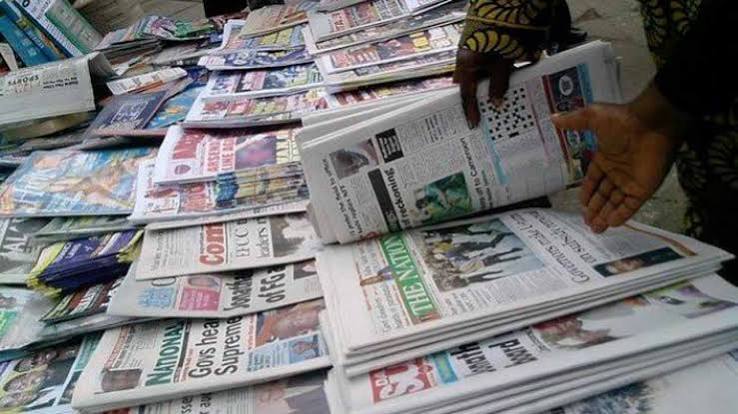
Nigeria’s print media industry faces growing pressure to rethink its business models as declining readership, shrinking advertising revenue and digital disruption continue to threaten the sustainability of newspaper publishing.
The challenges have intensified concerns about the future of traditional newspapers, with media practitioners warning that the difficulties confronting the industry cannot be attributed solely to the COVID-19 pandemic.
In an opinion article published by The Guardian on April 11, 2021, media practitioner Sunday Odiaka highlighted the financial and structural problems affecting newspaper organisations, including declining circulation, reduced advertising spending and worsening working conditions for journalists.
Veteran journalist Victor Ifijeh described the situation as a serious decline in the print industry, while Bayo Onanuga argued that digital media had significantly reduced the value of printed newspaper editions.
The shift towards digital platforms has changed how audiences consume news, forcing traditional publishers to compete for readers and advertising revenue in an increasingly technology-driven media environment.
Reuben Abati also identified declining readership and advertising income as major threats to newspaper sustainability. He attributed the reduction in newspaper circulation partly to businesses cutting advertising budgets and households and government workers reducing spending on newspaper purchases.
The financial difficulties have also affected journalists, with some media organisations reportedly owing workers several months of salaries, while others have reduced their workforce or shut down operations.
Adekunle Samuel Ayeni, chief executive officer of BHM Group, highlighted the poor remuneration of journalists, noting that some newspaper reporters earned less than $100 monthly, while certain media organisations owed workers up to six months’ salaries.
Femi Soneye, publisher of Persecondnews, also pointed to widespread job losses and salary arrears across the media industry, attributing the situation partly to the difficult economic environment.
Beyond financial pressures, concerns have emerged over editorial independence and professional standards as some publishers struggle to secure advertising revenue.
Odiaka noted that some media organisations had been accused of developing political and corporate relationships to attract advertising income, sometimes at the expense of independent journalism.
He also highlighted concerns about the growing influence of public relations activities in newsrooms, where poorly remunerated journalists and financially pressured publishers could become more vulnerable to promotional content.
However, experiences from advanced economies suggest that alternative revenue models and institutional support could help traditional media organisations remain viable.
In the United States, some newspaper publishers have recorded improvements through subscription-based models, while community foundations and corporate organisations have provided financial assistance to support journalism.
The article cited examples of grants from organisations including the Knight Foundation and the Fund for Investigative Journalism, alongside public donations that helped sustain struggling publications.
In Nigeria, the Federal Government had also indicated interest in supporting the struggling media industry.
The then Minister of Information and Culture, Lai Mohammed, said he had been engaging newspaper industry leaders to explore possible solutions to the financial difficulties affecting publishers.
The Central Bank of Nigeria also called on banks to extend loans to media organisations to help address financial pressures and job losses.
Despite these interventions, the article argued that long-term survival would require media owners to rethink how they produce and distribute content, attract readers and generate revenue.
It emphasised the need for publishers to understand changing audience preferences and develop advertising opportunities that provide measurable value to businesses.
Advertisers were also urged to maintain their relationships with print media organisations rather than focus exclusively on reducing marketing costs.
THE ISSUES
The challenges facing Nigeria’s print media industry reflect a combination of changing consumer behaviour, weak advertising revenue, economic difficulties and structural problems within media organisations.
Digital platforms have transformed news distribution, making information more accessible while increasing competition for readers and advertisers.
At the same time, poor remuneration and delayed salaries threaten journalists’ welfare and could weaken professional standards and editorial independence.
The industry’s financial difficulties also raise concerns about the sustainability of independent journalism, particularly where publishers become increasingly dependent on political interests, corporate sponsorships or promotional content.
WHAT’S BEING SAID
“To say that the print is seriously challenged is an understatement. To say that it is in decline is putting it mildly. In the words of a commentator, the print media is dying slowly,” Victor Ifijeh said.
“Globally, newspapers in print are becoming anachronistic and with the way technology is driving the industry, many journalists will soon be jobless, if they do not adapt quickly to the phenomenally changing environment,” Bayo Onanuga said.
WHAT’S NEXT
The sustainability of print media will depend on publishers’ ability to respond to changing audience preferences, develop stronger subscription models and create new ways of delivering value to advertisers.
Improved working conditions, investment in journalism and financial support for credible media organisations will also remain important to maintaining professional standards and editorial independence.
BOTTOM LINE
Nigeria’s print media industry is facing a structural challenge that goes beyond declining newspaper sales. Its survival will depend on whether publishers can adapt their business models, retain audience trust and protect the quality and independence of journalism while responding to the realities of a digital media environment.
Editorial note: This rewrite is based on the supplied 2021 Guardian opinion article. The historical references and statements have been retained as such rather than presented as independently verified developments in November 2026.