






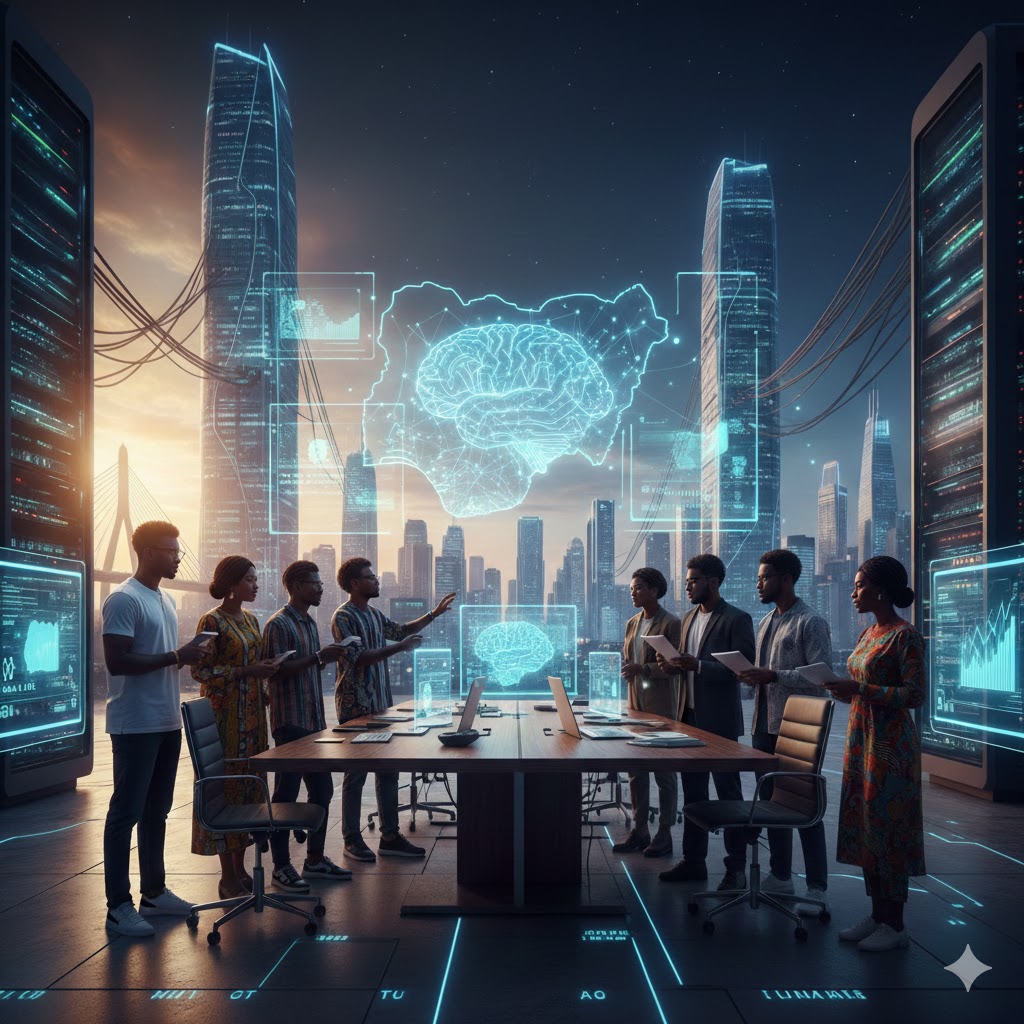
A landmark report by Google and Ipsos has identified Nigeria as a premier global hub for artificial intelligence adoption, with usage rates far outpacing the international average. The report, titled ‘Our Life with AI: Helpfulness in the Hands of More People’, released on Tuesday, January 20, 2026, reveals that 88% of Nigerian adults have used an AI chatbot.
This represents a staggering 18 percentage point increase from 2024 and places Nigeria well ahead of the 62% global average.
The study highlights that AI has become an essential tool for the Nigerian workforce and academic sector. Approximately 91% of Nigerians use AI to assist with professional tasks, while 93% leverage the technology to simplify and understand complex topics.
Most notably, 80% of respondents use AI to brainstorm new business ideas or explore career transitions—nearly double the global figure of 42%. Taiwo Kola Ogunlade, Google’s Communications Manager for West Africa, noted that these figures reflect a nation creatively using technology to bypass traditional economic hurdles.
Despite this high enthusiasm, the report identifies critical infrastructure gaps that could limit Nigeria’s transition from a consumer to a developer of AI. While the country excels in deploying AI initiatives, the National Artificial Intelligence Strategy (NAIS) currently lacks dedicated federal funding.
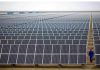
Furthermore, industry experts warn that Nigeria does not yet possess an AI ready data center capable of the high density cooling and massive power loads required for large scale AI model training.
Public sentiment remains overwhelmingly positive, with 80% of Nigerians expressing excitement about the future of AI compared to a 20% global concern rate. To bridge the infrastructure gap, the Ministry of Communications, Innovation and Digital Economy is currently seeking private partnerships to upgrade local data centers to Tier IV standards. This move is seen as vital for ensuring that Nigeria’s “AI optimism” translates into long term digital sovereignty and indigenous technological growth.