









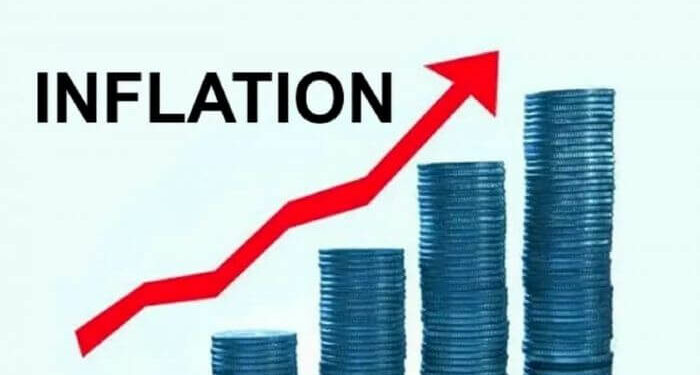
Nigeria’s headline inflation rate has eased for the tenth consecutive month, dropping to 15.10% in January 2026. Data released by the National Bureau of Statistics (NBS) on February 16, 2026, shows a marginal decline from the 15.15% recorded in December 2025.
This downward trend signifies a major relief for the economy, as the current rate is now 12.51 percentage points lower than the 27.61% recorded in January 2025. The persistent decline beat many analyst projections, which had anticipated a temporary spike to the 18-19% range due to election-related spending and base effect adjustments.
The most significant driver of this moderation was a sharp contraction in food prices. Food inflation plunged to 8.89% on a year-on-year basis in January 2026, a staggering drop from the 29.63% seen in the same month last year.
On a month-on-month basis, food prices actually declined by 6.02%, with the NBS attributing the relief to cheaper staples such as water yam, eggs, maize, beans, and beef. This broad-based decline suggests that the improved agricultural harvest and stabilized supply chains are finally providing substantial breathing room for household budgets.
The decline in the headline rate is also tied to a revamped CPI methodology adopted by the NBS. By using a 12-month average for 2024 as the base reference (100) instead of a single month, the bureau has smoothed out artificial volatility in the data. Core inflation, which excludes volatile energy and agricultural products, also slowed to 17.72% in January.
With the Monetary Policy Committee (MPC) scheduled to meet between February 23 and 24, this disinflationary trend provides a strong foundation for the Central Bank of Nigeria (CBN) to consider cutting interest rates for the first time in this fiscal cycle.
Despite the national improvement, price pressures remain localized. On a state-by-state basis, Kogi (19.84%), Benue (18.38%), and Adamawa (17.29%) recorded the highest year-on-year food inflation. Conversely, Ebonyi, Abia, and Imo saw the slowest rise in prices.
As the country enters the second quarter of 2026, the focus will remain on whether this downward trajectory can be sustained amidst the global price increase of solar components and other imported goods.









 on February 16, 2026, shows a marginal decline from the 15.15% recorded in December 2025.)