









KEY POINTS
- The National Credit Guarantee Company says it has supported ₦64.13 billion in loans using ₦30.19 billion in credit guarantees since beginning operations.
- The company has reached 174,495 borrowers across Nigeria through partnerships with 19 financial institutions.
- Some 22,616 micro, small and medium-sized enterprises have accessed formal financing for the first time.
- Its GuaranteeHer initiative targets more than ₦100 billion in lending to women-owned businesses over five years.
- NCGC says its ₦100 billion capital base could support a guarantee portfolio of up to ₦1 trillion.
MAIN STORY
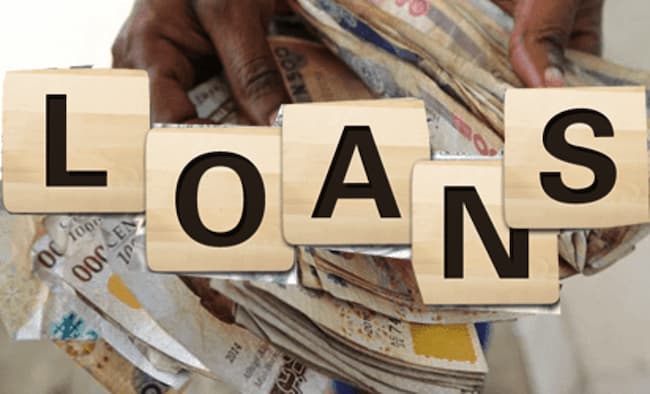
The National Credit Guarantee Company (NCGC) has supported ₦64.13 billion in loans to businesses and individuals since commencing operations, using credit guarantees to help borrowers who lack the conventional collateral required by financial institutions.
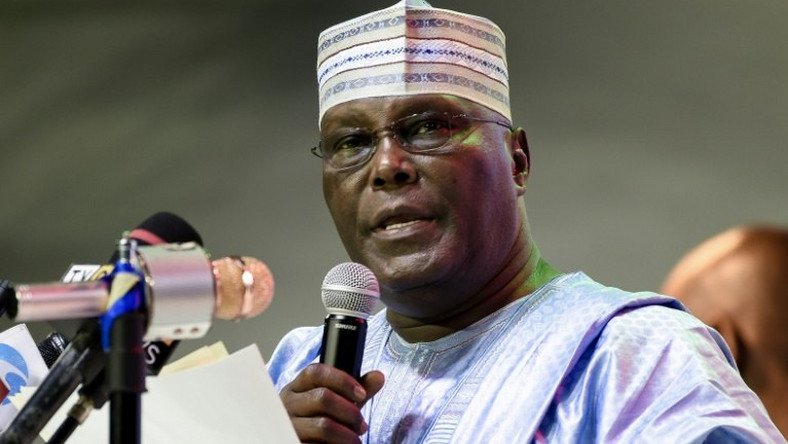
Managing Director and Chief Executive Officer Bonaventure Okhaimo disclosed the figures on Tuesday at a news conference on the company’s performance and implementation of its mandate at the State House in Abuja.
He said NCGC had deployed ₦30.19 billion in credit guarantees to support the loans, allowing financial institutions to extend financing to viable businesses and individuals they might otherwise reject because of insufficient collateral.
“Our value proposition is simple. We provide partial guarantees that de-risk lending, expand the supply of credit and catalyse economic growth,” Okhaimo said.
NCGC does not lend directly to borrowers. Instead, it partners with financial institutions and shares part of the risk associated with lending. Under its standard framework, the company provides guarantee coverage of up to 60 per cent.
“This allows lenders to say yes to borrowers they would otherwise turn away, often with less collateral and on better terms,” Okhaimo said.
As of October 21, the company had reached 174,495 borrowers across Nigeria’s 36 states and the Federal Capital Territory through partnerships with 19 financial institutions.
Women accounted for 42.7 per cent of beneficiaries, while 22,616 micro, small and medium-sized enterprises (MSMEs) obtained formal financing for the first time.
Okhaimo said the interventions had supported an estimated 914,791 jobs, comprising 175,481 direct jobs and 739,310 indirect jobs associated with the businesses. The company had also recorded 7,731 beneficiaries under youth empowerment.
To improve access to finance for women-owned businesses, NCGC introduced GuaranteeHer, a gender-responsive credit guarantee initiative launched on July 29 and formally unveiled to stakeholders in Lagos on September 3.
The initiative targets more than ₦100 billion in lending over five years, with at least 20,000 women-owned enterprises expected to benefit and generate more than 150,000 jobs.
“Rather than create yet another product, we strengthen the programmes women already know, so lenders can offer lower interest rates, less collateral and longer tenors,” Okhaimo said.
GuaranteeHer provides coverage of up to 70 per cent of eligible loan exposure, compared with the standard 60 per cent, with a maximum guarantee obligation of ₦50 million per borrower.
The company has also introduced its Credit Advantage Series to help MSMEs understand credit requirements, improve financial literacy and strengthen their ability to access and manage loans.
As part of the programme, NCGC is collaborating with the Nigeria Revenue Service on a virtual engagement scheduled for Wednesday to explain tax obligations and the requirements businesses must meet to participate in the formal economy.
NCGC began operations with ₦100 billion in capital contributed equally by the Bank of Industry, Ministry of Finance Incorporated, Nigeria Sovereign Investment Authority and Nigerian Consumer Credit Corporation, also known as CREDICORP.
Established on May 29, 2025, with President Bola Tinubu’s approval, the company received its operating licence from the Central Bank of Nigeria on August 9, 2025. It operates under the oversight of the Federal Ministry of Finance.
Okhaimo said the capital base could support a guarantee portfolio of up to ₦1 trillion under the company’s leverage framework, allowing it to mobilise additional financing for businesses and individuals.
“Our goal is clear: no viable Nigerian business should be denied credit simply because it lacks collateral,” he said.
THE ISSUES
Access to loans remains a challenge for businesses that cannot provide the property or other assets lenders commonly require as security. This can prevent otherwise viable businesses from obtaining money to buy equipment, increase stock, hire workers or expand into new markets.
NCGC’s model addresses part of that problem by agreeing to cover a portion of a lender’s eligible exposure if a borrower defaults. This can reduce the lender’s risk and make it more willing to approve a loan. However, a guarantee does not mean that every application will be approved or that borrowers are exempt from repaying their loans.
The difference between the ₦64.13 billion in loans supported and the ₦30.19 billion in guarantees deployed is also important. The company is using guarantees to support a larger amount of lending rather than providing the entire loan value itself.
For women-owned businesses, GuaranteeHer offers a higher guarantee coverage limit than the standard framework. Whether this translates into cheaper and more accessible loans will depend on participating lenders’ terms, borrower eligibility and the performance of the programme.
The reported job figures are estimates of employment supported by the interventions, not necessarily a count of new jobs created solely by NCGC.
WHAT’S BEING SAID
- “Our value proposition is simple. We provide partial guarantees that de-risk lending, expand the supply of credit and catalyse economic growth,” – Bonaventure Okhaimo, NCGC managing director and chief executive officer.
- “This allows lenders to say yes to borrowers they would otherwise turn away, often with less collateral and on better terms,” – Bonaventure Okhaimo.
- “Rather than create yet another product, we strengthen the programmes women already know, so lenders can offer lower interest rates, less collateral and longer tenors,” – Bonaventure Okhaimo.
- “Our goal is clear: no viable Nigerian business should be denied credit simply because it lacks collateral,” – Bonaventure Okhaimo.
WHAT’S NEXT
NCGC plans to expand access to credit through its financial institution partnerships and targeted programmes, including GuaranteeHer. The women’s initiative aims to support at least 20,000 women-owned businesses and facilitate more than ₦100 billion in lending over five years.
The company is also using its Credit Advantage Series to help businesses improve their financial knowledge and understand what lenders require. Its planned engagement with the Nigeria Revenue Service is intended to help MSMEs understand their tax responsibilities and the steps involved in operating within the formal economy.
The extent to which these initiatives expand lending will depend on participating financial institutions, eligible borrower demand and the performance of the guarantees.
BOTTOM LINE
NCGC says it has used ₦30.19 billion in guarantees to support ₦64.13 billion in loans, helping more Nigerians and small businesses access formal financing. Its next challenge is to sustain that access, particularly for businesses and entrepreneurs who have traditionally struggled to meet lenders’ collateral requirements.
Source: NAN


 has supported ₦64.13 billion in loans to businesses and individuals since ...)