








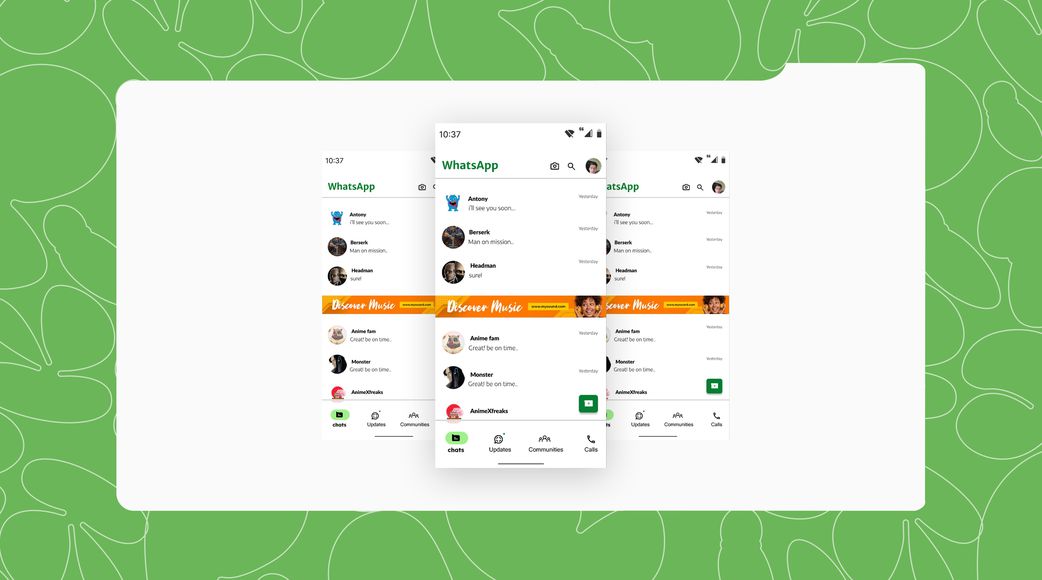
In a move that signals a major shift in user experience, Meta Platforms has officially begun rolling out advertisements on WhatsApp—one of the world’s most widely used messaging platforms. Long cherished for its simplicity and privacy, WhatsApp is entering a new era where light advertising will now form part of the ecosystem.
For over a decade, WhatsApp users have enjoyed an ad-free space for private messaging and voice calls. But that’s set to change, albeit gradually, as Meta looks to monetize the app more strategically. The company has clarified that these ads will not infiltrate personal chats. Instead, they’ll be confined to a newly targeted section of the platform.
Where Will Ads Appear on WhatsApp?
Meta is introducing ads exclusively in the “Updates” tab, which houses WhatsApp Statuses and Channels. According to the company, this feature sees over 1.5 billion daily views, making it a ripe space for content discovery and commercial engagement.
Here are the key updates users can expect:
- Status Ads: Businesses will now be able to display promotional content through 24-hour disappearing Stories, similar to Instagram or Facebook Stories.
- Boosted Channels: Channel admins will have the option to pay for increased visibility within the WhatsApp directory, helping them grow their audiences more efficiently.
- Subscription Channels: For the first time, WhatsApp will support paid Channels, allowing users to subscribe for exclusive content from influencers, brands, or communities.
Meta assures users that these changes are strictly limited to the Updates section, leaving the core messaging and group chat features unaffected—for now.

Privacy Concerns Still Loom
Even as Meta moves forward with monetization, the company continues to insist that user privacy remains sacrosanct. The end-to-end encryption that WhatsApp is famous for remains in place. Ads, Meta says, will not be based on users’ messages, voice calls, or group activity.
Instead, ad targeting will rely on non-intrusive metrics such as:
- Geographic location (country or city)
- Language preferences
- Channels followed
- Engagement patterns with public content
Users who have connected WhatsApp to Meta’s broader Accounts Center could see slightly more tailored ads. However, the company reiterated that phone numbers will not be shared with advertisers under any circumstance.
A Departure From WhatsApp’s Original Vision
The decision to introduce ads starkly contrasts with WhatsApp’s founding philosophy. Co-founder Brian Acton famously posted a note on his desk that read, “No Ads! No Games! No Gimmicks!” The company blog echoed a similar sentiment in 2012: “When advertising is involved, you, the user, are the product.”
Even after Facebook acquired WhatsApp in 2014 for $19 billion, then-CEO Mark Zuckerberg and WhatsApp’s founders promised that the app wouldn’t be monetized with ads. But priorities have since shifted.
According to Will Cathcart, Head of WhatsApp, these changes are part of a broader transformation in how people consume content. He describes the Updates tab as a natural evolution, in line with how other platforms like Telegram and Snapchat have leveraged private spaces for business growth.
Will This Erode User Trust?
With the recent permanent addition of a Meta AI assistant button and now the introduction of advertising, many users feel WhatsApp is slowly losing the intimate, minimalistic feel it once offered.
Still, Cathcart insists that the average user won’t notice any significant change—unless they actively explore the Updates section. Messaging, voice notes, and group chats will remain uninterrupted and private.
Opportunities for Businesses and Creators
While regular users may lament the rise of ads, this development creates new opportunities for small businesses and content creators. Unlike traditional advertising, WhatsApp’s model is more discreet, integrated through status updates and channel promotion.
Currently, Meta does not charge fees for creators to operate subscription channels, which means more Nigerian entrepreneurs and digital creators may find new ways to monetize their following without heavy costs. The potential for hyper-local promotion through Status ads could also help microbusinesses engage with nearby communities more effectively.
What Comes Next?
As WhatsApp gradually evolves into a platform that supports commercial discovery, users will need to recalibrate their expectations. The sanctity of private conversations remains protected—for now—but the door to monetization has been opened.
Whether this enhances or erodes the overall WhatsApp experience remains to be seen. But one thing is clear: the green icon we’ve long known as a safe space for uninterrupted communication is entering a new, commercially aware phase.