









Key points
- LCCI cautions that the proposed Sugar-Sweetened Beverage (SSB) tax could intensify pressure on Nigeria’s struggling manufacturing sector.
- The chamber warns of possible price increases, inflationary pressure, and job losses across value chains.
- It urges government to prioritise stakeholder consultation and a reformulation-driven tax framework rather than a revenue-focused approach.
Main story
The Lagos Chamber of Commerce and Industry (LCCI) has expressed concern over the Senate’s passage of the Sugar-Sweetened Beverage (SSB) Tax Bill, warning that it could further strain Nigeria’s already challenged manufacturing sector.
In a statement issued on Monday in Lagos, the Director-General of the LCCI, Dr. Chinyere Almona, said while the chamber supports public health measures aimed at reducing excessive sugar consumption, such policies must not undermine businesses or consumers.
She noted that manufacturers are currently contending with multiple economic pressures, including high energy costs, foreign exchange volatility, elevated interest rates, logistics constraints, multiple taxation, and weak consumer purchasing power.
According to her, introducing additional taxes on beverage products would likely raise production costs, with manufacturers potentially passing the burden to consumers through higher prices. This, she warned, could worsen inflation and suppress demand for locally produced goods.
Almona also raised concerns that the tax could disrupt the wider industrial ecosystem, affecting suppliers, distributors, transport operators, retailers, farmers, and service providers linked to the beverage industry.
She further cautioned that reduced production volumes could lead to lower investment levels, diminished capacity utilisation, and possible job losses across the sector.
The issues
The LCCI identified several key concerns surrounding the proposed tax, including its potential to worsen inflation, reduce consumer demand, and deepen cost pressures already faced by manufacturers.
It also warned of ripple effects across value chains, particularly in agriculture and logistics, where many livelihoods depend on the beverage industry.
Another major concern is the possibility that the policy could prioritise revenue generation over long-term industrial sustainability, potentially discouraging investment and slowing economic growth.
What’s being said
Dr. Almona advocated a more balanced and evidence-based approach that combines public health objectives with economic realities.
She called for public health education, voluntary product reformulation, improved labelling, and sustained consumer awareness campaigns, alongside broader stakeholder engagement.
“Experience from more advanced economies shows that such policies are often designed to encourage manufacturers to reduce sugar content rather than simply increase prices,” she said.
She added that Nigeria’s SSB tax framework should be integrated into a broader public health strategy and carefully designed to minimise disruption to jobs and industrial output.
According to her, “A reformulation-focused tax may be more effective than a revenue-focused tax as it can achieve health objectives while preserving industrial activity.”
She further urged policymakers to assess the full economic impact of the tax across agriculture, manufacturing, and supply chains before implementation.
What’s next
The LCCI is calling on the Federal Government and the National Assembly to revisit the policy through extensive consultations with manufacturers, health experts, consumer groups, and other stakeholders.
The chamber insists that a redesigned framework could better balance public health goals with industrial competitiveness, ensuring that reforms support rather than weaken job creation and production capacity.
Bottom line
While supporting efforts to improve public health, the LCCI warns that the proposed SSB tax could have far-reaching economic consequences if not carefully structured, urging a more consultative and reformulation-driven approach to safeguard jobs, industry stability, and consumer welfare.





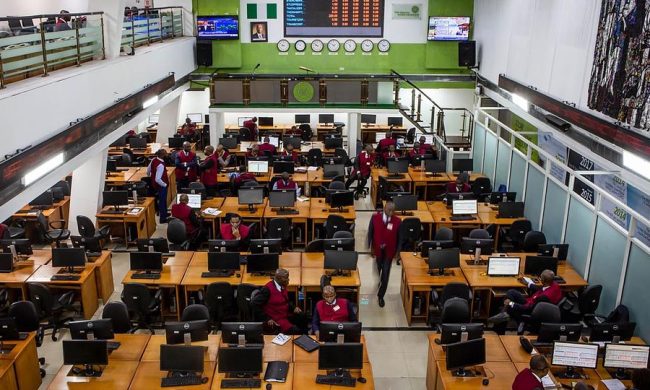




 has expressed concern over the Senate’s passage of the Sugar-Sweetened Beverage ...)