Key points
- Lagos calls for greater investment in digital infrastructure and skills development
- Government says digital divide still limits participation in the digital economy
- Challenges include poor internet access, unreliable power and low digital literacy
- Hamzat urges support for women, youths and underserved communities
- WITESA honours technology leaders advancing innovation and inclusion
Main Story
The Lagos State Government has called for sustained investment in digital infrastructure, education and skills development to ensure inclusive growth and expand participation in Nigeria’s digital economy.
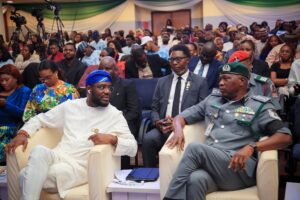
Deputy Governor Dr Obafemi Hamzat made the call while receiving the Public Sector Technology and Engineering Leader of the Year Award at the Women in Technology and Engineering Summit Africa (WITESA) 5.0 in Lagos. Represented by the Permanent Secretary, Ministry of Works and Infrastructure, Mrs Bolanle Olukareh, Hamzat said technology was rapidly transforming economies and societies, but many communities remained excluded from emerging opportunities. He said Lagos had recorded progress in broadband expansion, innovation, startup support and technology adoption, but significant barriers still existed.
According to him, inadequate internet connectivity, unreliable electricity supply, affordability challenges and low digital literacy continue to prevent many people from fully participating in the digital economy. Hamzat called for stronger collaboration among governments, private sector organisations, educational institutions and civil society groups to bridge the digital divide.
He said investments should focus on broadband infrastructure, digital education and skills acquisition programmes, especially for women, young people, small businesses and underserved communities.
The deputy governor added that Lagos had demonstrated how strategic investments in technology hubs, broadband infrastructure, digital education and healthcare innovation could support inclusive economic growth.
The summit also recognised individuals and organisations making significant contributions to technology, engineering and cybersecurity across Africa.
The issues
- Bridging Nigeria’s digital divide
- Expanding broadband and internet access
- Improving digital literacy and technology skills
- Increasing inclusion of women and underserved communities in STEM
- Supporting innovation-driven economic growth
What’s Being Said
“Technology is rapidly transforming economies and societies, stressing that its benefits must be accessible to all.” — Dr Obafemi Hamzat, Lagos Deputy Governor, emphasising the need for inclusive access to technology.
“Challenges such as inadequate internet connectivity, unreliable electricity supply, low digital literacy and affordability constraints continue to hinder participation in the digital economy.” — Hamzat, highlighting barriers facing many Nigerians.
“Bridging the digital divide requires collective action from government, the private sector, educational institutions and civil society organisations.”— Hamzat, calling for a multi-stakeholder approach to digital inclusion.
“No citizen should be denied access to digital opportunities because of location, age, gender or economic circumstances.” — Hamzat, advocating broader participation in the digital economy.
What’s Next
- Lagos is expected to continue expanding broadband and digital infrastructure projects.
- Stakeholders may increase investment in digital education and workforce development programmes.
- More initiatives aimed at women, youths and underserved communities could emerge to boost participation in the digital economy.
- Partnerships between government, industry and educational institutions are likely to play a larger role in closing digital access gaps.
Bottom line
Lagos is pushing for greater investment in connectivity, digital skills and inclusion, arguing that broad participation in the digital economy is essential for sustainable growth and long-term competitiveness.