






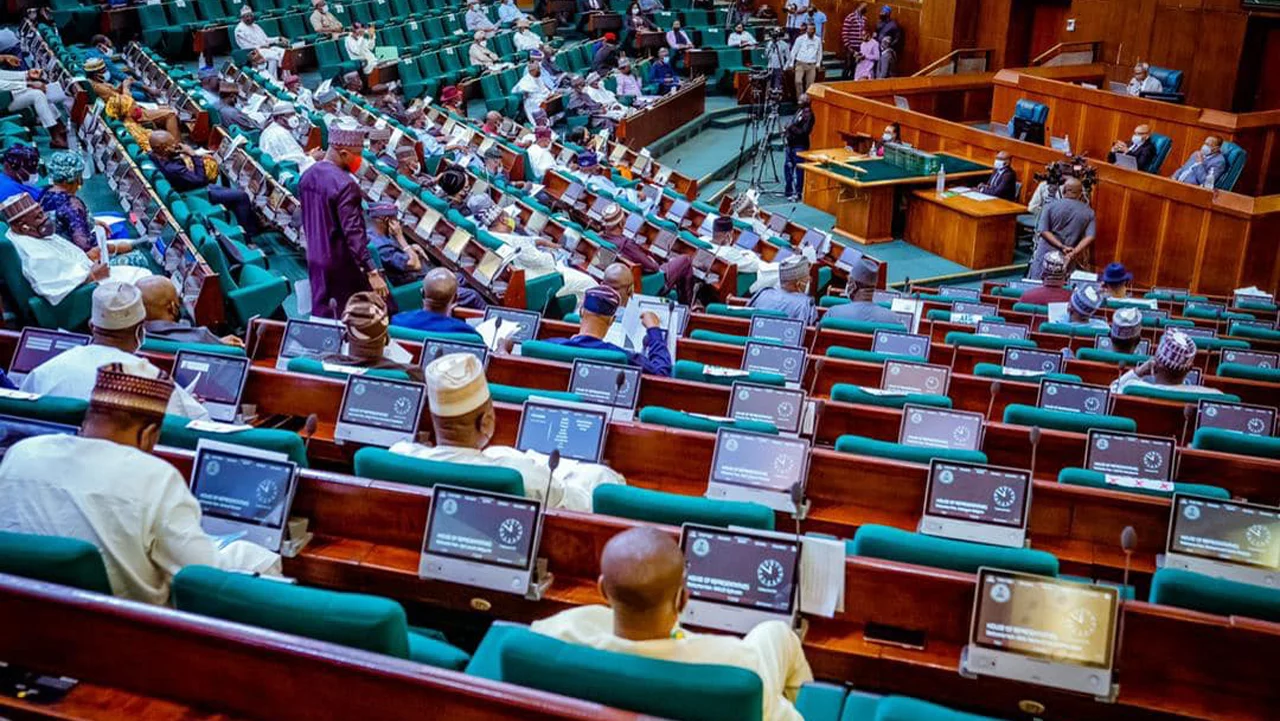
The House of Representatives on Tuesday passed the harmonised version of the Electoral Act 2026 after an intense and, at times, disorderly plenary session that reflected deep divisions within the chamber.
Addressing journalists shortly after the vote in Abuja, the House Spokesperson, Rep. Akin Rotimi, described the passage of the legislation as a defining moment for Nigeria’s democratic framework. He rejected suggestions that the decision was driven by partisan interests, stressing that the vote transcended political party lines.
According to Rotimi, although members of the opposition caucus staged a walkout during deliberations, not all opposition lawmakers withdrew from the chamber. He noted that several remained present and cast their votes in support of the bill’s passage.
He maintained that the legislation was enacted in what lawmakers believe to be the broader national interest. The spokesperson argued that the amendments reflect responses to public concerns and evolving electoral realities rather than political maneuvering.
On the issue of electronic transmission of election results — a recurring subject of national debate — Rotimi clarified that the Act provides practical alternatives. He explained that where technological infrastructure or operational constraints impede electronic transmission, manual collation procedures would be applied as a contingency measure.
He dismissed claims of ambiguity within the amended provisions, stating that the harmonisation process addressed prior inconsistencies and incorporated stakeholder feedback.
Rotimi further expressed optimism about Nigeria’s democratic development, noting that disagreement and visible division in parliament are hallmarks of a functioning democracy rather than signs of systemic weakness.
Observers say the passage of the Electoral Act 2026 could significantly shape the conduct of future general elections, particularly in areas relating to result management, technology deployment, and institutional oversight.
With the bill now passed by the House, attention shifts to subsequent legislative processes and implementation mechanisms that will determine how the reforms impact Nigeria’s electoral landscape.