










Keypoints
- Global renewable energy capacity reached a total of 5,149 GW in 2025, marking a record 15.5 percent annual increase.
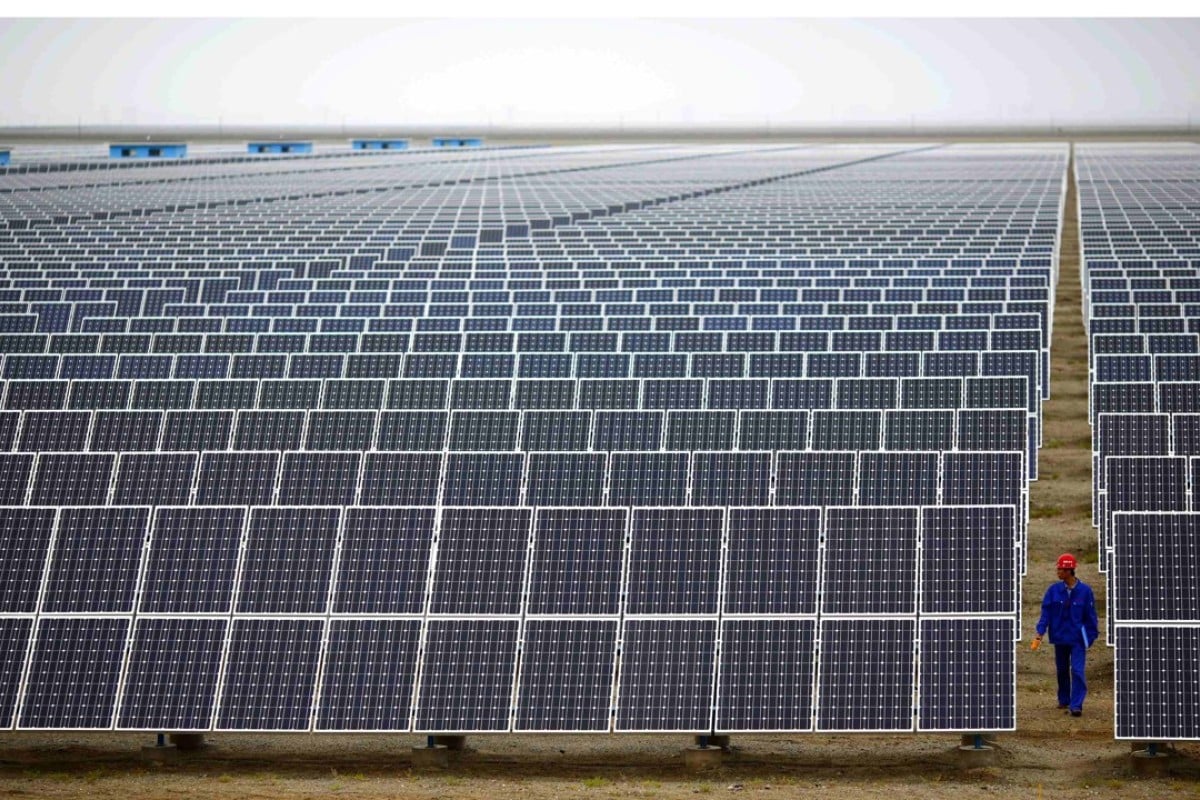
- Solar power dominated the expansion, accounting for approximately 75 percent of all new capacity added worldwide.
- Africa recorded its highest growth on record by adding 11.3 GW, though it still lags behind other global regions in total volume.
- Asia remains the primary driver of the energy transition, contributing over 70 percent of all global renewable additions last year.
Main Story

According to the ‘Renewable Capacity Statistics 2026’ report by the International Renewable Energy Agency (IRENA), solar energy led a historic surge in global power growth throughout 2025.
The agency reported that the world added 692 GW of renewable capacity last year, with solar alone contributing 511 GW of that total. IRENA noted that 2025 represented the highest annual increase in generation capacity to date, both in absolute figures and percentage terms.
The report highlighted that while the expansion was global, the distribution remained uneven. IRENA detailed that the Middle East saw its largest growth rate at 28.9 percent, primarily driven by Saudi Arabia, while the G20 countries now account for nearly 82 percent of the global share.
It was further mentioned that although Africa achieved its own internal record for expansion, the continent’s growth remains modest compared to the massive deployments seen in Asia. The agency pointed out that off-grid solar solutions continue to play a vital role in increasing electricity access across various African regions.
The Issues
The primary challenge identified in the report is the widening gap in clean energy deployment between developed and developing regions. While global totals are rising, many countries with lower renewable capacity remain highly vulnerable to energy shocks and the volatility of fossil fuel prices. IRENA emphasized that a more decentralized energy system is required to build structural resilience against geopolitical tensions and the economic damage caused by energy crises.
What’s Being Said
- “In the midst of uncertain time, renewable energy remains consistent and steadfast in its expansion,” stated Francesco La Camera, IRENA director-general.
- La Camera also noted that countries investing in the energy transition are “weathering the Middle East crisis with less economic damage.”
- The agency reported that “solar and wind energy continued to dominate renewable capacity expansion in 2025, jointly accounting for 96.8% of all net renewable additions.”
What’s Next
- International climate bodies are expected to call for increased targeted investments in Africa and the Middle East to bridge the regional capacity gap.
- Policymakers will likely focus on strengthening grid infrastructure to accommodate the 27.2 percent annual growth seen in solar energy.
- Future reports will monitor whether the G7 and G20 nations continue to dominate over 88 percent of new capacity or if emerging markets can capture a larger share.
Bottom Line
While 2025 was a landmark year for the global energy transition, the concentration of growth in Asia and G20 nations underscores an urgent need for redirected investment to ensure energy security and resilience in the world’s most vulnerable regions.










, ...)