



Key points
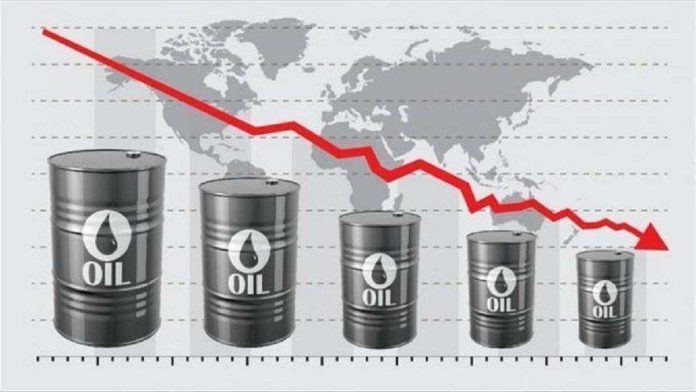
- Global oil prices showed minimal movement on Tuesday morning, with Brent crude hovering near the $83 mark.
- Energy costs fell sharply over the weekend following news of a peace agreement between Washington and Tehran.
- State media confirmed that three oil tankers and two cargo vessels crossed the Gulf of Oman without incident.
- The strategic reopening of the Strait of Hormuz remained a primary point of contention until the final hours of negotiation.
- Market trading remains cautious because the specific terms of the peace deal will not be published until Friday.
Main Story
International energy markets experienced a period of calm on Tuesday morning as global oil prices held steady following a volatile few days. The benchmark August contract for North Sea Brent crude was priced at $82.76 per barrel, representing a minor drop of just under 0.5% compared to the previous day’s final trading figures.
This stabilization comes immediately after a steep decline in fuel costs over the weekend and early Monday, triggered by the unexpected announcement that the United States and Iran had reached a preliminary agreement to bring their military conflict to an end.
A visible sign of easing tensions occurred in the Middle East, where Iranian state broadcaster Press TV reported that the first commercial vessels have successfully crossed the Gulf of Oman.
The area, which had been heavily restricted by a United States naval blockade, saw at least three crude oil tankers and two generic cargo ships navigate through the waters on Monday evening without any disruption or safety incidents. Reopening this zone and the connecting Strait of Hormuz—a maritime gateway responsible for carrying a massive share of the world’s daily petroleum supply—had been the single biggest obstacle for diplomats during the high-stakes peace talks.
Despite the positive physical movement of oil ships, a general lack of clarity regarding the political terms continues to make commodity traders cautious. Government representatives from the participating nations are scheduled to arrive in Switzerland this Friday to officially sign the final peace treaty.
However, United States Vice President JD Vance confirmed that the full legal text of the agreement will remain hidden from the public and market analysts until after the official signing ceremony takes place, keeping overall market sentiment highly guarded.
The Issues
- Managing cautious market trading driven by the decision to keep the peace terms hidden until late in the week.
- Assuring international insurance companies that the shipping route is permanently safe for commercial fleets.
- Balancing global fuel supplies as locked-up oil inventories begin to flow freely back into the international market.
What’s Next
- Energy traders will keep close tabs on daily price swings ahead of the official diplomatic gathering in Europe.
- Legal experts and trade ministers will review the final draft of the peace treaty before traveling to Switzerland for Friday’s event.
- Global shipping companies will wait for the official publication of the treaty terms to plan long-term cargo routes through the Gulf.
Bottom Line
Global oil prices have stabilized around $83 a barrel as the first Iranian tankers successfully navigated the previously blockaded Gulf of Oman, though full market recovery remains stalled until the official U.S.-Iran peace terms are made public this Friday.