








By Boluwatife Oshadiya | April 7, 2026
Key Points
- Federal Government opens talks with Airbus for emergency medical helicopters
- Plan targets nationwide integrated air and ground emergency response system
- Initiative aims to reduce preventable deaths and improve rural healthcare access
Main Story
The Federal Government has begun negotiations with European aerospace manufacturer Airbus to procure emergency medical helicopters as part of efforts to strengthen Nigeria’s emergency healthcare response system.
Coordinating Minister of Health and Social Welfare, Prof. Muhammad Pate, disclosed this during an official visit to France, following approval from President Bola Tinubu.
According to a statement issued by the National Emergency Medical Services and Ambulance System (NEMSAS), discussions with Airbus are focused on developing an Integrated National Ground-to-Air Health Emergency Management System.
The proposed system will combine ambulance services, emergency communication infrastructure, and aeromedical evacuation into a unified national framework designed to improve response times and patient outcomes.
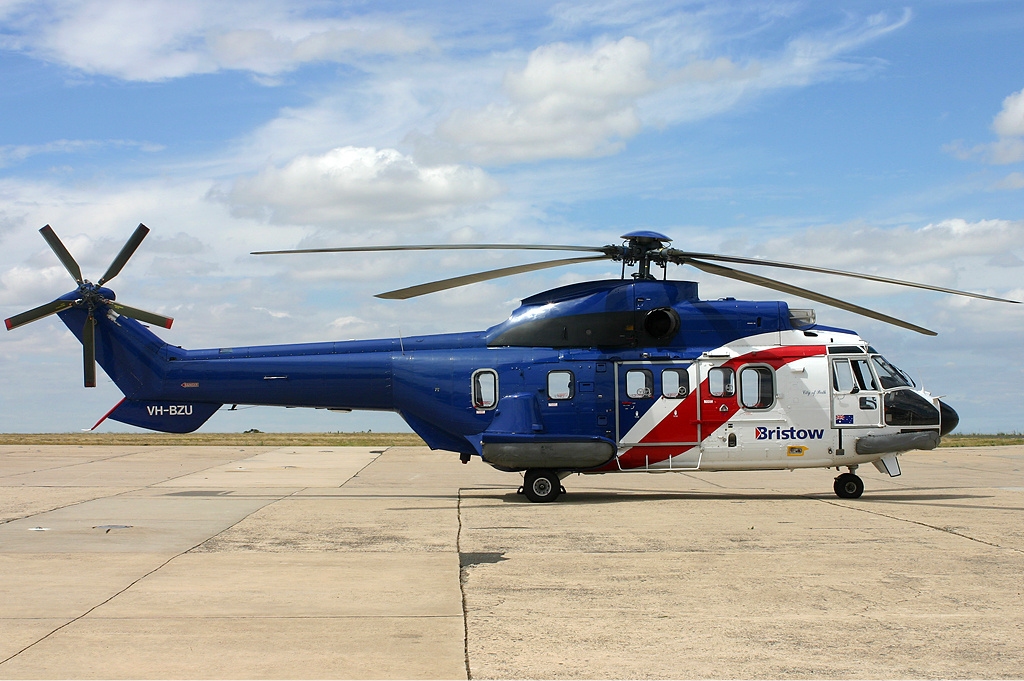
Pate also inspected an Airbus emergency helicopter at a government-supported air ambulance facility in Lyon as part of the evaluation process.
“The initiative is expected to significantly improve medical evacuation services, especially in hard-to-reach areas,” Pate said.
Nigeria’s emergency response system has long faced structural challenges, including inadequate ambulance coverage, poor coordination between health facilities, and delayed referrals—factors that contribute to avoidable deaths from road accidents, maternal complications, and critical illnesses.
What’s Being Said
“We are building a coordinated system that integrates air and ground emergency response nationwide,” Prof. Muhammad Pate, Coordinating Minister of Health
“Air ambulance services are essential for bridging healthcare access gaps in underserved areas,” NEMSAS Statement
What’s Next
- Formal procurement and financing structure expected following negotiations with Airbus
- Pilot phase of the integrated emergency system likely to begin in select regions
- Federal Government may introduce regulatory framework for nationwide emergency coordination
The Bottom Line:
Nigeria’s move toward an integrated air-ground emergency system marks a structural shift in healthcare delivery, but execution, funding, and coordination will determine whether it translates into measurable reductions in preventable deaths.