







KEY POINTS
- Federal Government approves $2bn for a new East-West Super Grid.
- The project is expected to add at least 19,000MW of transmission capacity.
- Procurement has begun, with delivery targeted within 18 to 24 months.
- Government has paid ₦1.23tn of the ₦3.3tn owed to power generation companies.
- The Oshogbo-Ikeja West line is expected to add 400MW to the Lagos electricity network when restored.
MAIN STORY
The Federal Government has approved a $2 billion investment in a new East-West Super Grid designed to expand Nigeria’s electricity transmission capacity by at least 19,000 megawatts and address longstanding constraints in the power network.
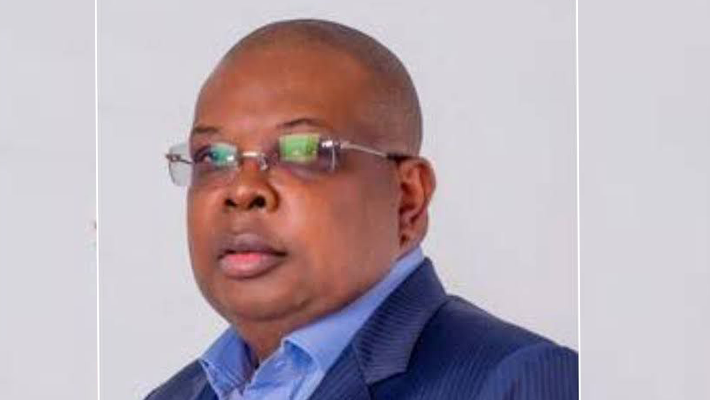
The Minister of Power, Olasunkanmi Tegbe, disclosed this on Monday, describing the project as a major part of President Bola Tinubu’s plan to improve electricity reliability.
The proposed transmission corridor will pass through Funtua, Gwagwalada, Ikot-Ekpene, Benin, Epe and Ilorin. According to Tegbe, procurement processes have begun following presidential approval, while completion is expected within 18 to 24 months.
The minister said the new infrastructure would complement the existing national grid rather than replace it. The project is part of wider efforts to strengthen the transmission network and address equipment failures affecting electricity delivery.
THE ISSUES
Beyond the proposed Super Grid, the government is conducting a technical audit of critical transmission infrastructure to identify equipment that needs repair or replacement.
Tegbe said the exercise identified deficiencies involving transmission towers, insulators, conductors and relays across different transmission corridors. The government intends to use the findings to direct spending towards actual infrastructure problems and avoid unnecessary expenditure.
Replacement of critical equipment is expected to begin in the coming months following presidential funding approval.
One of the priority projects is the restoration of the Oshogbo-Ikeja West transmission line. Tegbe said restoring the line would provide an additional 400MW to the Lagos electricity network.
The minister also disclosed that the Federal Government had paid ₦1.23 trillion out of approximately ₦3.3 trillion owed to electricity generation companies (GenCos). The outstanding balance of about ₦2 trillion continues to place pressure on the companies, particularly their ability to meet payment obligations to gas suppliers.
The government is targeting settlement of the outstanding debt in 2027, which Tegbe said would improve liquidity and support higher electricity generation.
WHAT’S BEING SAID
“The project is expected to be delivered within one and a half to two years, with procurement processes already underway following presidential approval.” – Olasunkanmi Tegbe, Minister of Power.
“When restored, the line is expected to provide an additional 400 megawatts into the Lagos electricity complex.” – Olasunkanmi Tegbe, Minister of Power.
WHAT’S NEXT
The government is also looking to increase output from underutilised power plants, particularly those operated by the Niger Delta Power Holding Company (NDPHC).
Tegbe said the company’s plants have a combined installed capacity of more than 3,000MW but currently contribute about 400MW to national electricity supply. He said improving their performance, alongside resolving gas supply and transmission constraints, would help increase the amount of electricity delivered to consumers.
The minister also pointed to the Electricity Act 2023 as an important development for the sector because it allows state governments and private investors to participate in electricity generation, transmission and distribution.
Lagos, Ogun, Abia and Enugu are among the states exploring different approaches to developing their electricity markets, including independent power generation, mini-grids and gas-fired power solutions.
The law also allows generators to enter bilateral arrangements with willing customers or supply electricity into the national grid. Tegbe said these provisions were creating opportunities for investment, competition and recapitalisation.
The Federal Government expects private sector participation in electricity transmission to expand within the next two to three years.
BOTTOM LINE
The $2 billion Super Grid is intended to address one of Nigeria’s major electricity sector problems: the inability of the transmission network to carry more power reliably. However, expanding transmission capacity alone will not guarantee better electricity supply. The government’s plans to settle GenCos’ debts, improve gas availability, restore critical transmission lines and increase output from existing power plants will also determine how much additional electricity reaches homes and businesses.