








KEY POINTS
- WTO Chair for Nigeria, Prof. Ngozi Egbuna, says Africa must turn trade agreements into practical economic benefits.
- She identifies job creation, cross-border business and local value retention as key measures of AfCFTA’s success.
- Egbuna urges African scholars to produce research that influences trade policies and negotiations.
- Prof. Pat Utomi identifies education, healthcare, entrepreneurship, culture, leadership and trade as drivers of national prosperity.
MAIN STORY
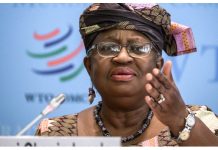
African countries must move beyond signing trade agreements and focus on implementing policies that enable businesses to trade across borders, create jobs and retain more economic value within the continent, Prof. Ngozi Egbuna, World Trade Organisation (WTO) Chair for Nigeria, has said.
Egbuna made the call on Monday at a conference on the geoeconomics of African states, integration, power and structural transformation in Abuja.
She said the African Continental Free Trade Area (AfCFTA) offered the continent an opportunity to improve its position in the global economy, but warned that establishing a single continental market would not automatically deliver prosperity without effective implementation.
According to her, the success of the agreement should be measured by whether African businesses can expand into other African markets, create employment and retain more value from the goods and services they produce.
She also urged African governments to strengthen trade cooperation so the continent could have greater influence over global economic decisions, trade rules and value chains.
THE ISSUES
Egbuna, who is also Director of the International Centre for Regional Integration and Trade Research (ICRITR) at Nnamdi Azikiwe University, Awka, said Africa needed to move beyond supplying raw materials and take a stronger role in shaping international trade and determining how value is created across global supply chains.
She described the African Trade Group of WTO Chairs as an important platform for developing African perspectives on global trade discussions.
She also challenged African researchers to make their work more useful to policymakers and businesses by producing evidence that informs public policy, influences trade negotiations and addresses practical economic challenges.
Egbuna urged participants to examine how AfCFTA could strengthen Africa’s negotiating power and create opportunities for manufacturers, farmers, entrepreneurs, women and young people.
She said the questions surrounding the agreement were not merely academic, as its implementation would affect livelihoods and the economic future of African countries.
WHAT’S BEING SAID
“The real test of AfCFTA lies in the ability of African businesses to trade successfully across borders, create jobs and retain economic value.” – Prof. Ngozi Egbuna, WTO Chair for Nigeria.
WHAT’S NEXT
Also speaking at the conference, Prof. Pat Utomi, Founder and Chief Executive Officer of the Centre for Values in Leadership, highlighted the contradiction between Africa’s natural resource wealth and the poverty experienced in countries such as Nigeria and the Democratic Republic of Congo.
He said both countries possessed critical minerals but continued to record high levels of poverty, raising questions about why resource-rich nations often struggle to translate their wealth into better living conditions.
Utomi described poverty reduction as one of humanity’s greatest challenges and said understanding why some countries prosper while others remain poor had been a longstanding focus of his academic work.
He identified education and healthcare as essential to human capital development and national productivity. He also highlighted entrepreneurship, saying societies needed to encourage people to take risks, innovate and create economic value.
Utomi added that culture and leadership influenced national development, noting that leaders shaped the values and direction of their societies.
He said trade had also become an important factor in understanding why some nations achieve greater prosperity than others.
BOTTOM LINE
AfCFTA provides a framework for African countries to trade more freely with one another, but the benefits will depend on what governments and businesses do with it. Egbuna’s call places the focus on implementation, including whether African firms can access new markets, create jobs and retain more value from production. Utomi’s remarks add a wider development question: how countries can turn their resources, people and economic activity into lasting prosperity.