







KEY POINTS
- The ECOWAS Court of Justice has reaffirmed its commitment to protecting the rights of women and girls across West Africa.
- The pledge was made during the court’s 2026 International Women’s Day event themed “Break the Silence, End Gender-Based Violence Now.”
- Stakeholders called for stronger legal action, institutional accountability, and collective efforts to combat gender-based violence in the region.
MAIN STORY
The ECOWAS Court of Justice has reaffirmed its commitment to safeguarding the rights of women and girls across the West African sub-region through effective justice delivery and strengthened legal protections.
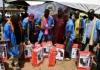
President of the court, Ricardo Gonçalves, gave the assurance during the 2026 International Women’s Day celebration organised by the ECOWAS Court’s Women’s Forum in Abuja.
The event, which coincided with the global observance of International Women’s Day, was held under the sub-theme “Break the Silence, End Gender-Based Violence Now.”
Speaking at the event, Gonçalves said the court remained committed to advancing the rule of law, addressing discrimination, and strengthening the protection of women’s rights across the ECOWAS region.
He noted that through its judgments, outreach programmes and collaborations with member states and relevant stakeholders, the court aims to ensure that justice and protection for women and girls become a lived reality rather than a mere aspiration.
THE ISSUES
Gender-based violence continues to pose a major challenge across the West African sub-region, limiting opportunities for women and undermining social and economic development.
Stakeholders at the event stressed that while progress has been made in advancing women’s rights, many women and girls still face discrimination, violence, and barriers that restrict their full participation in society.
The ECOWAS Court has, over the years, delivered landmark rulings aimed at protecting victims of gender-based violence and promoting legal reforms across member states.
WHAT’S BEING SAID
Gonçalves, who was represented by Marie Saine, said protecting the rights of women and girls is central to promoting justice, human dignity, and inclusive development within the ECOWAS community.
“Through our jurisprudence, we have upheld the fundamental rights of women and girls, challenged discrimination, and provided remedies for victims of sexual and gender-based violence,” he said.
Also speaking, Dupe Atoki emphasised that the rights of women and girls are fundamental human rights that must be respected, protected, and fulfilled at all times.
She stressed that justice systems must remain accessible, impartial, and responsive to the realities faced by women and girls.
In his keynote address, Tony Ojukwu described the ECOWAS Court as the conscience of the West African sub-region and urged stakeholders to ensure that violence against women is met with the full force of the law.
Earlier, President of the ECOWAS Court Women’s Forum, Oluwatosin Nguher, called for collective action to accelerate gender equality and address gender-based violence, which she described as one of the most persistent human rights challenges of modern times.
WHAT’S NEXT
The ECOWAS Court is expected to intensify its judicial interventions, partnerships, and advocacy initiatives aimed at strengthening legal protections for women and girls across member states.
Stakeholders also pledged to expand awareness campaigns and policy reforms to ensure that victims of gender-based violence have greater access to justice.
BOTTOM LINE
By reinforcing its commitment to justice and legal protection, the ECOWAS Court of Justice aims to play a stronger role in ensuring that women and girls across West Africa live free from violence, discrimination, and inequality.