KEY POINTS
- Brent crude rose 3.7 per cent to above $110 per barrel on Friday, according to the supplied report.
- Renewed attacks on energy infrastructure have heightened concerns about potential disruptions to global oil and refined fuel supplies.
- Higher international oil prices could complicate efforts to moderate fuel costs for Nigerian consumers.
- Petrol prices in Lagos were reported at ₦1,380 to ₦1,400 per litre.
- Nigeria’s annual energy inflation rose to 10.85 per cent in September 2026, even as overall inflation eased to 14.63 per cent, according to figures attributed to the National Bureau of Statistics.
MAIN STORY
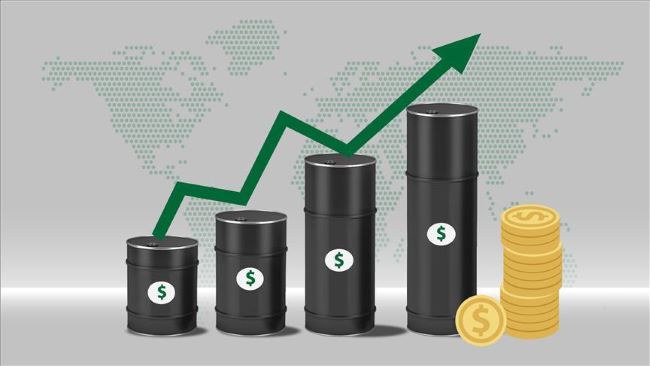
Brent crude oil rose above $110 per barrel on Friday for the first time since May, as concerns about energy supply disruptions heightened uncertainty over the outlook for international oil prices.
The global benchmark gained 3.7 per cent, recording a second consecutive weekly advance as market participants assessed the potential effects of geopolitical tensions and attacks on energy infrastructure on crude oil and refined petroleum product supplies.
The latest increase has implications for countries that depend on international markets for crude oil, refined products or both. For Nigeria, sustained increases in international petroleum prices could complicate efforts to moderate fuel costs, although the effect on domestic pump prices would depend on several market factors.
The Nigerian government recently announced a 30-day petrol discount at Nigerian National Petroleum Company Limited filling stations as part of measures intended to cushion consumers from rising fuel costs. The duration and terms of the arrangement will influence how much relief it provides while international market conditions remain uncertain.
Global oil prices remain sensitive to developments affecting production, refining and the transportation of petroleum products. Disruptions to energy infrastructure can reduce available supplies or raise concerns about future availability, while uncertainty over geopolitical developments can contribute to price volatility.
However, the available information does not establish the extent to which individual attacks contributed to Friday’s price movement or how long prices may remain at elevated levels.
For Nigerian consumers, international crude prices are only one factor in the cost of petrol. Domestic prices can also be affected by refined product costs, exchange-rate movements, refinery expenses, transportation, distribution and the pricing decisions of suppliers and marketers.
Reports indicate that most filling stations in Lagos were selling petrol at between ₦1,380 and ₦1,400 per litre. These prices represent the reported market conditions at the time of the checks and should not be interpreted as a nationwide average.
The report also cited National Bureau of Statistics data showing that Nigeria’s annual energy inflation rose to 10.85 per cent in September 2026 from 4.69 per cent in August.
Overall inflation, meanwhile, eased to 14.63 per cent in September from 15.39 per cent in August, according to the figures cited.
The differing movements show that energy prices continued to experience stronger annual inflation even as the broader inflation rate moderated. The figures alone, however, do not establish how much of the increase in energy inflation was caused by movements in international crude prices.
THE ISSUES
The immediate concern for Nigeria is whether higher international petroleum prices will increase domestic supply costs and reduce the relief available to consumers through temporary government interventions.
The reported 30-day petrol discount is intended to provide short-term support. Its impact will depend on its implementation, the prices charged at participating filling stations and the duration of the intervention.
There is also an important distinction between crude oil prices and retail petrol prices. Changes in crude benchmarks do not automatically produce equivalent or immediate changes at the pump because the domestic price also reflects refining, foreign exchange and distribution costs.
For households and businesses, sustained increases in fuel costs could add to transportation and operating expenses. However, the extent of any additional pressure will depend on actual domestic price movements and the responses of suppliers and the government.
WHAT’S NEXT
Developments in international oil markets, the availability of refined products and domestic supply costs will be important in determining the direction of Nigerian petrol prices.
The implementation of the government’s temporary discount will also be relevant to assessing the extent of short-term relief available to consumers.
BOTTOM LINE
Brent crude’s rise above $110 per barrel has renewed concerns about international oil supply and price volatility. For Nigeria, the potential effect on petrol prices will depend on how global market developments interact with exchange rates, domestic supply costs and the government’s temporary price-relief measures.