






Key points
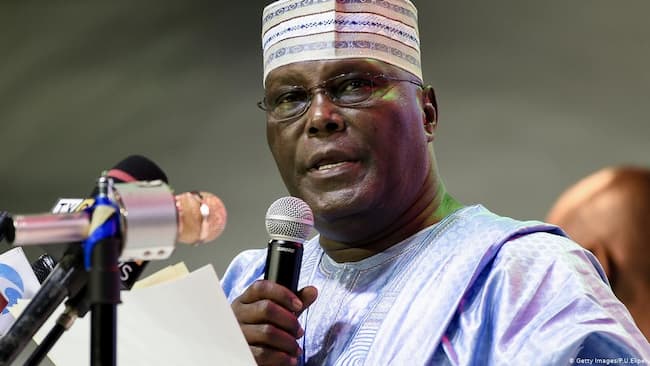
- ADC presidential candidate Atiku Abubakar has reportedly intensified consultations to select a running mate for the 2027 election.
- Sources say the vice-presidential search is focused largely on the South-East and South-South geopolitical zones.
- Former Rotimi Amaechi and former Donald Duke are among the leading names under consideration.
- Former Emeka Ihedioha is also reportedly being evaluated as a potential running mate.
- The selection process comes as the ADC grapples with an internal leadership dispute currently before the courts.
Main story
The presidential candidate of the African Democratic Congress, Atiku Abubakar, has reportedly commenced intensive consultations aimed at selecting a vice-presidential candidate ahead of the 2027 general election.
According to sources familiar with the process, the former vice president is personally overseeing discussions with key political stakeholders across southern Nigeria as the opposition coalition seeks to finalise a ticket capable of mounting a formidable challenge in the next presidential race.
The move follows Atiku’s victory in the ADC presidential primary, where he defeated former Minister of Transportation Rotimi Amaechi and former banker Mohammed Hayatu-Deen.
Attention within the opposition coalition has since shifted to the choice of running mate, a decision widely viewed as one of the campaign’s most consequential strategic calculations.
Among the prominent names reportedly under consideration is Amaechi, whose supporters argue that his political experience, national visibility, and influence in the South-South could strengthen the ticket’s electoral appeal.
Another leading contender is former Donald Duke, whose tenure in Cross River State is often associated with administrative reforms and developmental initiatives. Sources say his relatively low political baggage and appeal among southern voters have enhanced his attractiveness within some circles of the campaign.
The search has also extended to the South-East, where opposition strategists believe the region could play a pivotal role in shaping the outcome of the 2027 election.
Among those reportedly being assessed is former Emeka Ihedioha, who remains a notable figure within South-East politics and is viewed by some party insiders as a candidate capable of energising support in the region.
The issues
The vice-presidential selection is emerging as a crucial test of the ADC’s ability to balance regional interests, electoral calculations, and coalition politics ahead of 2027.
Political analysts note that the choice of running mate could significantly influence voter mobilisation, particularly in regions where the party hopes to expand its support base.
The focus on the South-East and South-South aligns with Atiku’s previous presidential campaigns, which also drew running mates from southern Nigeria.
However, the process is complicated by differing political interests within the coalition, personal histories between potential candidates and the presidential candidate, and the need to maintain internal party cohesion.
Adding to the challenge is an ongoing leadership dispute within the ADC, which has found its way to the courts and could present distractions as preparations for the election intensify.
What’s next
The consultation process is expected to continue in the coming weeks as Atiku and his advisers weigh the political, regional, and strategic implications of each potential candidate.
Party stakeholders will also be watching closely for signs of consensus within the coalition, particularly as rival parties begin positioning themselves ahead of the 2027 campaign season.
Meanwhile, attention is likely to remain on the ADC’s internal legal challenges and how quickly the party can resolve outstanding leadership disputes before the election cycle gathers momentum.
Bottom line
With the presidential ticket secured, Atiku’s next major challenge is choosing a running mate capable of strengthening the ADC’s national appeal. As consultations intensify across the South-East and South-South, the decision is shaping up to be one of the defining moments of the opposition coalition’s preparations for 2027.