






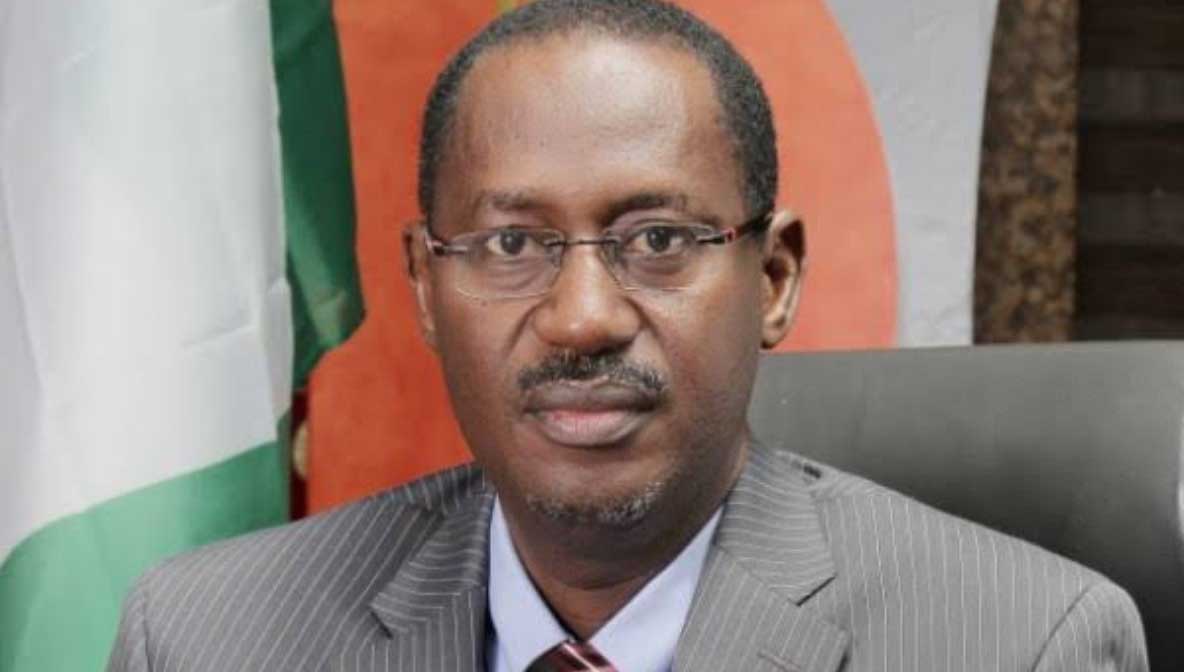
Africa is grappling with a housing deficit of at least 50 million units, alongside an estimated $1.4 trillion gap in housing finance, the Minister of Housing and Urban Development, Ahmed Musa Dangiwa, has said.
Speaking at the 7th Africa Housing Awards in Abuja, Dangiwa described the housing crisis as one of the continent’s most pressing development challenges, warning that the deficit could worsen significantly if urgent action is not taken.
He said the housing shortfall could rise to about 130 million units by 2030, noting that housing has become one of Africa’s most critical development pressures. According to him, about 54 million Africans currently live in urban slums, underscoring the scale of unmet demand driven by rapid urbanisation, weak housing finance systems and limited large-scale housing delivery.
Dangiwa said housing shortages are increasingly central to economic growth constraints, social stability risks and urban resilience challenges across the continent. He added that Nigeria reflects the wider African situation, with a conservatively estimated housing deficit of more than 17 million units.
The minister said the Federal Government is responding by moving away from fragmented housing projects to a structured national housing delivery programme under President Bola Tinubu’s Renewed Hope Agenda. He disclosed that more than 10,000 housing units have been commenced across 14 states and the Federal Capital Territory over the past two years, alongside urban renewal and slum upgrade projects affecting more than 150 communities nationwide.
Despite these efforts, Dangiwa stressed that no single country can resolve the housing crisis alone, calling for stronger continental collaboration, deeper private sector involvement and scalable housing finance models.
The housing deficit featured prominently at the Africa Housing Awards, where 52 individuals and institutions were recognised for initiatives aimed at closing supply gaps. The convener of the awards, Festus Adebayo, said the housing and construction sector remains a key driver of jobs and economic growth but is under increasing strain from rising demand, regulatory weaknesses and global economic pressures.
He said these challenges informed the creation of the awards platform to promote accountability and best practices across the sector, adding that the Housing Development Advocacy Network is enforcing a zero-tolerance policy against unethical practices. Adebayo warned that the group would expose fraud and sharp practices in the sector, including by award recipients, to protect homebuyers and investors.
He added that stakeholders are engaging with the National Assembly, the Federal Capital Territory Administration, the Federal Ministry of Housing, Lagos State and other regulators to strengthen housing regulations in line with international best practices.