






Key Points
- Sightsavers has urged journalists to investigate government commitments to neglected tropical diseases (NTDs), eye health and disability inclusion.
- The organisation warned that nearly 99 per cent of investments in NTD interventions in Nigeria come from foreign aid.
- Journalists were encouraged to track government budgets and expose funding gaps affecting vulnerable communities.
- Experts called for inclusive education and improved teacher training for children with special needs.
- Participants said the workshop had improved their understanding of disability-inclusive and development reporting.
Main Story
Sightsavers has called on journalists to strengthen accountability reporting on neglected tropical diseases (NTDs), eye health and disability inclusion to encourage government action and protect the rights of vulnerable Nigerians.
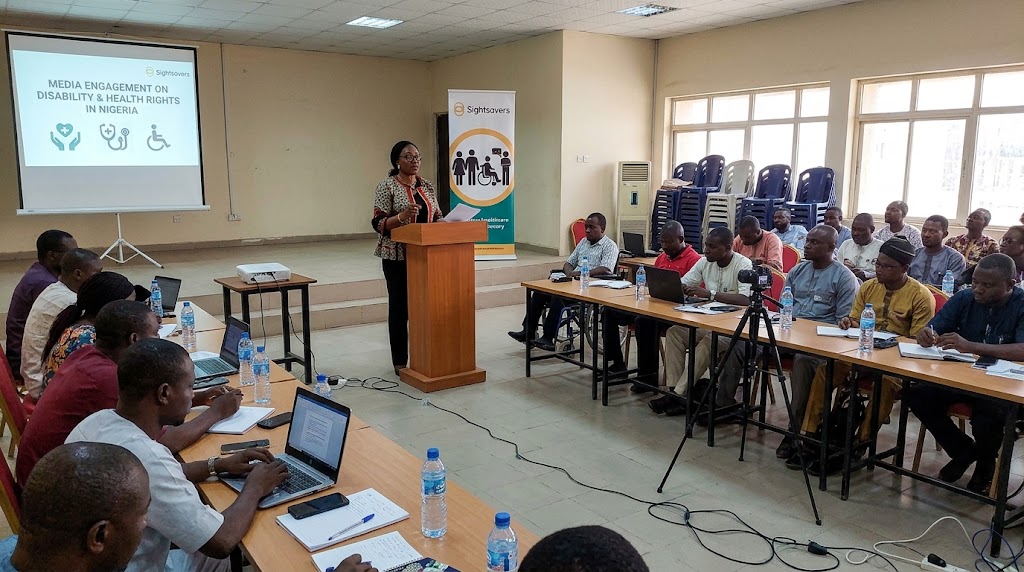
The organisation made the appeal during a two-day media workshop organised for journalists in the North-West region in Kano State. The workshop focused on strengthening media capacity to report on health, disability inclusion and development issues.
Sightsavers Country Advocacy Coordinator, Esther Bature, urged journalists to move beyond reporting official events and project activities to investigate funding gaps, examine policy implementation and highlight the experiences of communities affected by these issues.
She encouraged media professionals to engage the organisation for relevant information, data and access to credible sources when developing reports on its areas of intervention.
Speaking on neglected tropical diseases, the Monitoring and Evaluation Manager, Abdulsalam Muhammed, raised concerns over Nigeria’s dependence on foreign assistance to finance interventions against the diseases.
He said nearly 99 per cent of investments in NTD interventions in the country came from foreign aid, warning that declining donor support could threaten previous gains and weaken ongoing programmes.
According to him, millions of dollars have been invested in medicines and other interventions over the years, making stronger government ownership and domestic resource mobilisation necessary to sustain progress.
Muhammed noted that donors were increasingly demanding government commitments and counterpart funding before releasing resources for NTD programmes.
He therefore urged journalists to investigate government budgetary allocations, monitor funding commitments and report how declining investments could affect communities that depend on these interventions.
“Journalists should investigate government budgetary commitments, track funding for NTDs interventions and report how reduced investments could affect the affected communities,” he said.
The Issues
Nigeria’s dependence on foreign funding for neglected tropical disease interventions raises concerns about the long-term sustainability of public health programmes.
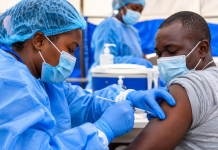
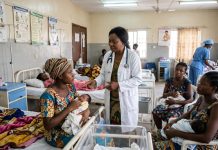
When donor support declines, communities that depend on free medicines, preventive treatment and other interventions risk losing access to essential services.
The situation makes domestic funding and government accountability particularly important. Beyond announcing health policies and making public commitments, authorities must demonstrate how much money is allocated to these programmes and whether the funds are released and properly utilised.
Disability inclusion presents another challenge, particularly in education, healthcare and employment.
Speaking on inclusion, Sightsavers Senior Finance and Logistics Officer, Fabian Tukmen, urged journalists to approach disability as a human rights issue rather than a matter of charity.
He stressed that persons with disabilities have the same rights as other Nigerians to quality education, healthcare and livelihood opportunities.
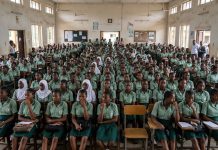
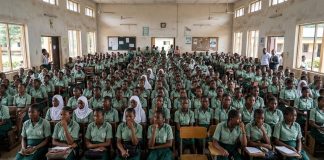
Tukmen advocated inclusive education, where children with special needs learn alongside their peers without disabilities from primary school.
He warned that separating children with disabilities into special schools could reinforce stigma and negatively affect their confidence and self-esteem.
He also called for improved teacher training to equip educators with the skills needed to support children with different learning requirements.
According to him, although several policies have been introduced to promote disability inclusion, weak implementation, poor compliance and inadequate political commitment continue to limit their impact.
What’s Being Said
Participants at the workshop welcomed the training, describing it as an opportunity to improve their understanding of health, development and disability reporting.
Abubakar Mukhtar of Caliphate Radio and Television, Sokoto, said the workshop had broadened his knowledge of reporting development and inclusion issues.
He explained that interactions with experts and fellow journalists had helped participants better understand the challenges facing vulnerable groups and how to report them appropriately.
Similarly, Ladan Nasidi, Assistant Director of Digital Media at Voice of Nigeria, Kano, said the engagement had improved his understanding of inclusive reportage.
Nasidi added that Sightsavers had offered to connect journalists with relevant experts, sources and interviewees to support accurate and comprehensive reporting.
Also speaking, Sahura Maidoki of Kaduna State Media Corporation (KSMC) said the workshop had changed her approach to reporting disability issues.
Maidoki explained that she had learnt to highlight the abilities of persons with special needs rather than defining individuals primarily by their disabilities.
She said she intended to apply the lessons from the workshop to improve her future reports.
What’s Next
The call for stronger accountability reporting places greater responsibility on journalists to monitor government policies, investigate public spending and give vulnerable communities a stronger voice.
Journalists are expected to apply the knowledge gained from the workshop by producing reports that examine the realities behind government commitments, particularly in NTD interventions, eye health and disability inclusion.
Improved collaboration between media professionals, health organisations and disability advocates could also provide journalists with better access to credible information and affected communities.
Bottom Line
The fight against neglected tropical diseases and the promotion of disability inclusion require more than policies and public announcements. They demand consistent funding, effective implementation and measurable government commitment.
By encouraging journalists to investigate funding gaps, question policy implementation and amplify the experiences of vulnerable groups, Sightsavers is highlighting the media’s role in holding authorities accountable and ensuring that people who are often overlooked are not left behind.