






KEY POINTS
- South African President Cyril Ramaphosa says the US midterm election results could reshape international relations.
- His comments come amid worsening diplomatic and trade relations between South Africa and the Trump administration.
- Washington has moved to end South Africa’s duty-free access to the US market under AGOA from January.
- Ramaphosa says South Africa will pursue a bilateral trade agreement with the US while seeking alternative export markets.
MAIN STORY
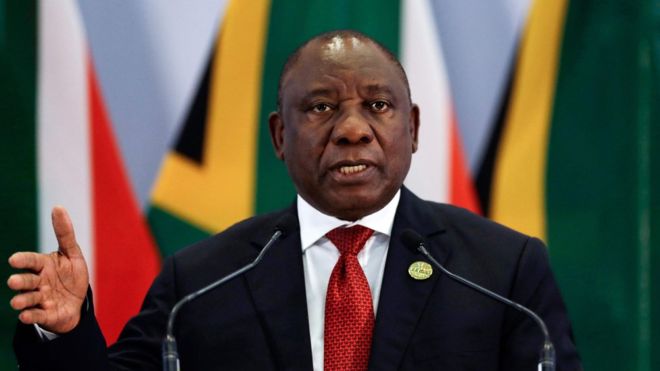
South African President Cyril Ramaphosa has said the outcome of the United States midterm elections could usher in a new era in international relations, as his country faces growing trade and diplomatic tensions with President Donald Trump’s administration.
Ramaphosa made the remarks on Wednesday after casting his vote, following an election in which millions of American voters delivered a major setback to Trump’s Republican Party.
He said the Democrats had taken control of both chambers of Congress, adding that the election outcome reflected the position of American voters and could influence the direction of global relations.
“We have seen that the Democrats have taken control of the Senate and of the House, and the people of America have spoken. I do think that this is going to introduce a new era in world relations,” Ramaphosa told reporters.
His comments come at a difficult time for relations between Pretoria and Washington, with the Trump administration taking a series of measures affecting South Africa’s diplomatic and economic ties with the United States.
The latest development is Washington’s move to end South Africa’s duty-free access to the US market under the African Growth and Opportunity Act (AGOA) from January.
The decision follows the withdrawal of financial aid to South Africa last year and the expulsion of the country’s former ambassador to Washington.
Trump has largely justified his actions against South Africa by alleging the persecution of white people in the country. The South African government has rejected the allegation, describing it as a false narrative promoted by fringe groups.
Ramaphosa acknowledged the economic implications of South Africa’s removal from AGOA, describing the development as negative for the country’s trade interests.
However, he said the government would focus on negotiating a bilateral trade agreement with Washington rather than allow the decision to end commercial relations between the two countries.
“Whilst we are sad that we’ve been removed from AGOA, our trade relations with the United States continue,” he said.
The president added that South Africa had been working to secure alternative export destinations, making the diversification of its trade relationships increasingly important.
THE ISSUES
South Africa’s removal from AGOA raises concerns for exporters that have benefited from preferential access to the US market.
The trade arrangement provides eligible African countries with duty-free access for thousands of products, making it an important route for expanding exports to the United States.
Ramaphosa’s emphasis on negotiating a bilateral agreement suggests that Pretoria is seeking to preserve access to the American market while reducing its dependence on the existing preferential arrangement.
His comments also reflect the wider diplomatic implications of the US midterm elections, particularly for countries whose relationships with Washington have been affected by the Trump administration’s trade and foreign policy decisions.
WHAT’S BEING SAID
“We have seen that the Democrats have taken control of the Senate and of the House, and the people of America have spoken. I do think that this is going to introduce a new era in world relations.” – Cyril Ramaphosa, South African President.
“Whilst we are sad that we’ve been removed from AGOA, our trade relations with the United States continue.” – Cyril Ramaphosa, South African President.
“Diversification has now become the order of the day.” – Cyril Ramaphosa, South African President.
WHAT’S NEXT
South Africa is expected to pursue discussions with Washington over a bilateral trade agreement while continuing efforts to identify alternative markets for its exports.
The outcome of those efforts will be important in determining how the country manages the loss of preferential access to the US market and navigates its strained relationship with the Trump administration.
BOTTOM LINE
Ramaphosa sees the US midterm results as a potential turning point in international relations, but South Africa still faces an immediate trade challenge. Its ability to secure a new arrangement with Washington and expand access to other markets will be central to protecting its export interests.