






Key Points
- The Federal Government has identified 3.182 million vulnerable Nigerians for health coverage under the Basic Health Care Provision Fund (BHCPF).
- National health insurance enrolment increased from 16.2 million in 2023 to 23.06 million by the third quarter of 2026.
- The government has released N323.6 billion to the fund, with an additional N40.7 billion approved for disbursement.
- Direct financing currently covers 8,309 primary healthcare centres, with plans to expand to 13,521 facilities.
- The government says it will strengthen financial oversight to ensure funds reach healthcare facilities and patients receive the services they need.
Main Story
The Federal Government has pledged to monitor whether millions of vulnerable Nigerians covered by the Basic Health Care Provision Fund receive essential medical services without facing unaffordable charges.
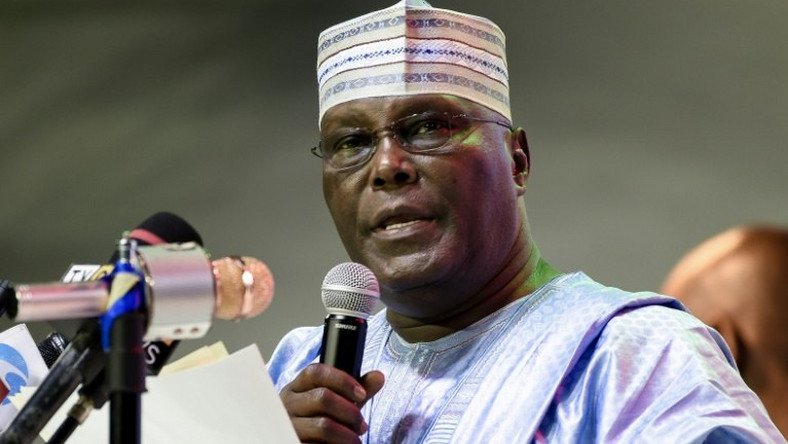
The Minister of State for Health and Social Welfare, Dr Iziaq Salako, made the commitment on Wednesday in Abuja while reviewing three years of the fund’s implementation and progress in domestic health financing.
According to Salako, 3.182 million vulnerable Nigerians with National Identification Numbers have been identified as beneficiaries of BHCPF-supported health coverage.
He said the government would go beyond counting the number of people enrolled in health insurance to determine whether beneficiaries actually receive the healthcare services covered by the programme.
National health insurance enrolment increased from approximately 16.2 million people in 2023 to 23.06 million by the third quarter of 2026.
Since its first disbursement in 2019, the BHCPF has received N422.3 billion in releases, while N323.6 billion had been disbursed as of September 2026. An additional N40.7 billion was approved in October, bringing cumulative disbursements to a projected N364.3 billion.
Salako said the fund had supported free vesico-vaginal fistula surgeries, rehabilitation, emergency Caesarean sections and other emergency maternal and newborn healthcare interventions for 96,068 women and babies.
The programme has also supported health insurance coverage for people living with HIV and patients receiving treatment for tuberculosis.
The Issues
Despite increasing government spending, the challenge remains ensuring that healthcare funding translates into affordable treatment for ordinary Nigerians.
Poor and vulnerable households often struggle to pay for consultations, medicines, emergency treatment and other essential services. For these families, insurance coverage matters only when it provides access to care without imposing additional financial hardship.
The government is therefore focusing on accountability and service delivery rather than relying solely on the amount of money released.
Salako said the fund was already providing direct financing to 8,309 primary healthcare centres across Nigeria’s 36 states and the Federal Capital Territory. An approved expansion plan will extend financing to another 5,212 facilities, bringing the projected total to 13,521.
The number of centres meeting level-two readiness requirements also increased from 1,748 in 2024 to 3,202 in the third quarter of 2026.
What’s Being Said
Salako attributed increased funding to the administration’s macro-fiscal reforms, noting that monthly statutory releases to the fund had risen during 2026.
He also urged state governments to fulfil their financial obligations, stressing that the Federal Government could not build a functioning primary healthcare system without their sustained participation.
Katsina State was cited as an example after releasing N240.79 million to its State Health Insurance Agency to expand coverage.
On accountability, Salako said the ministry was working with the Independent Corrupt Practices and Other Related Offences Commission to track public spending and strengthen financial oversight.
He stressed that the real measure of success was whether healthcare facilities received their funding and patients obtained the services promised.
What’s Next
The government plans to expand primary healthcare financing, improve facility readiness and strengthen maternal and child healthcare services.
It is also supporting the salaries of 13,800 community-based health workers and skilled birth attendants through a phased arrangement. Federal funding will cover 100 per cent of eligible salary costs in the first year, falling to 67 per cent in the second year and 33 per cent in the third, before states assume full responsibility.
Meanwhile, the Maternal and Newborn Mortality Reduction Innovation Initiative will continue targeting 172 high-burden local government areas.
Bottom Line
The BHCPF represents an important effort to make essential healthcare more accessible to Nigerians who need it most. However, increased funding and higher insurance enrolment will mean little if patients still struggle to obtain treatment.
The government’s next challenge is to prove that the money reaches facilities, medicines and services are available, and vulnerable families can receive care without being pushed into financial hardship.