







Key Points
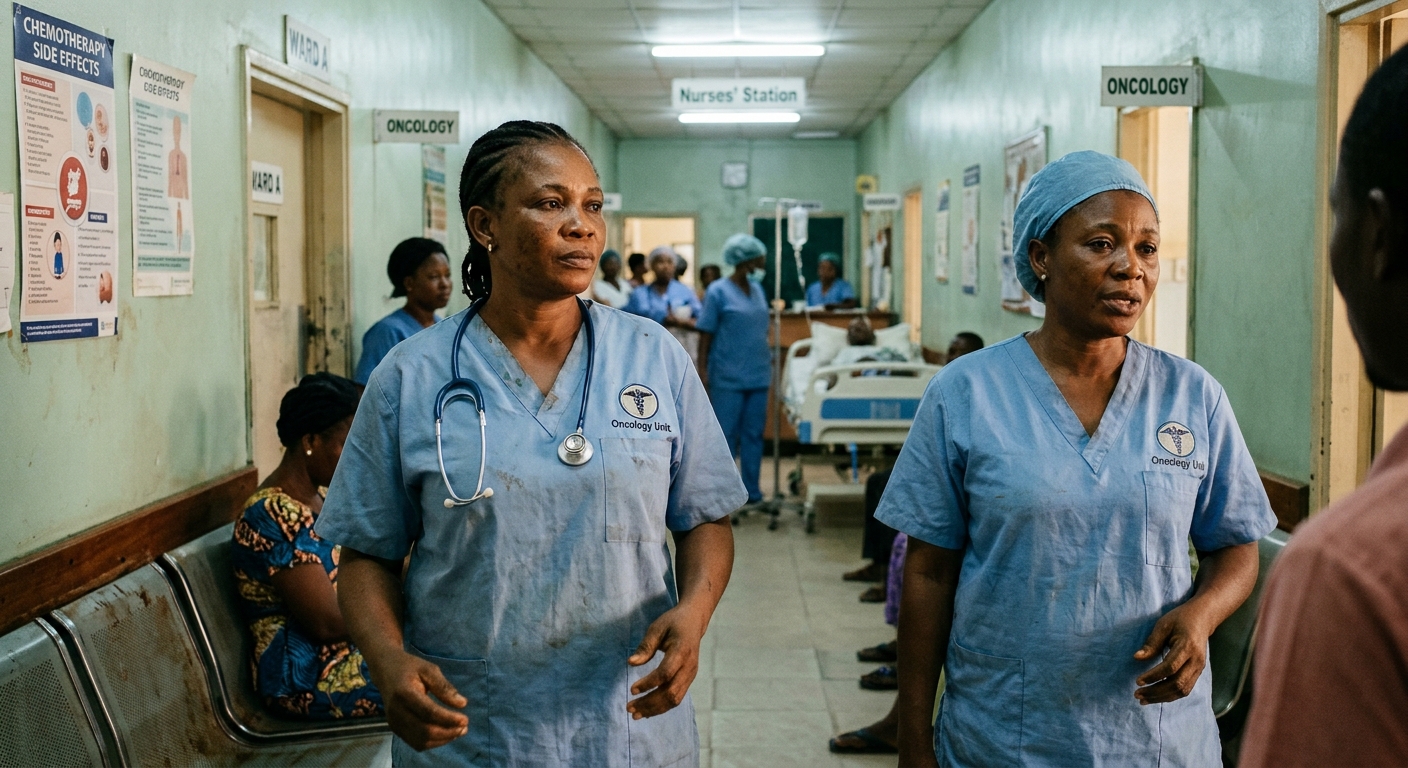
- Nigeria has an estimated 300 oncology nurses, raising concerns about the country’s capacity to meet growing cancer care needs.
- Nursing professionals are calling for improved welfare, better training opportunities and greater involvement in healthcare decisions.
- The migration of trained nurses is worsening staffing shortages in cancer treatment facilities.
- Experts want nursing students to be introduced to oncology early to encourage more professionals to specialise in the field.
Main Story
Nigeria’s growing cancer burden is placing additional pressure on its healthcare system, with nursing professionals warning that a shortage of specialised oncology nurses could undermine the quality of care available to patients.
The professionals, who spoke in separate interviews with the News Agency of Nigeria (NAN) in Abuja, called for improved welfare, more training opportunities and greater inclusion of nurses in decisions affecting healthcare delivery.
According to the National Institute for Cancer Research and Treatment (NICRAT), Nigeria records between 102,000 and 127,763 new cancer cases annually, alongside approximately 72,000 to 79,542 cancer-related deaths.
Prof. Khadijat Musah, Dean of the Faculty of Nursing Sciences at the Federal University Otuoke, Bayelsa State, estimated that the country had about 300 oncology nurses.
She expressed concern about the migration of trained nurses to other countries and urged the government to improve their welfare and working conditions.
“I am using this opportunity to thank the leadership of Nigeria and everybody in government. But they should try and look into the welfare of oncology nurses,” Musah said.
She explained that only two institutions in Nigeria trained oncology nurses, with each admitting up to 50 candidates, depending on available resources and capacity. She added that some universities had introduced postgraduate programmes, including master’s and doctoral degrees, in oncology nursing.
Musah stressed that nurses needed to be heard because their close contact with patients gave them firsthand knowledge of the difficulties associated with cancer treatment and recovery.
The Issues
Oncology nurse Ann Joachim described staff shortages as a major challenge, noting that nurses often sacrificed their time and resources to acquire specialised skills without receiving adequate rewards.
She also highlighted occupational risks associated with cancer care.
Despite these challenges, Joachim encouraged young nurses to consider oncology, emphasising the compassion and sense of purpose involved in helping patients manage the disease.
Fatima Adam, Vice-President of the Oncology Nursing Society of Nigeria, said oncology nurses were essential members of multidisciplinary cancer care teams.
Working at the Federal Teaching Hospital, Katsina, Adam explained that oncology nurses provide continuous bedside support, helping patients navigate treatment and recovery.
She called for nursing students to be introduced to oncology early in their education to encourage more young professionals to enter the specialty.
“Catch them young,” she said.
What’s Being Said
Nanre Mampak, an oncology nurse and educator with more than 20 years of experience, called for greater nursing representation in healthcare decision-making.
She criticised a system in which decisions affecting nurses were made without sufficient input from the professionals expected to implement them.
Mampak urged the government to ensure that nurses were fully included in decisions shaping the health sector.
What’s Next
Improving oncology nursing capacity will require better welfare, stronger specialist training programmes, improved working conditions and policies that encourage trained professionals to remain in Nigeria.
Bottom Line
As cancer cases continue to place pressure on Nigeria’s healthcare system, strengthening oncology nursing is essential to improving patient support and treatment outcomes. Without meaningful investment in nurses, the country risks widening the gap between the demand for cancer care and the workforce available to provide it.