







KEY POINTS
- World leaders renewed calls for sustained investment and cooperation on pandemic prevention and preparedness.
- WHO says progress since 2023 includes the Pandemic Agreement and amendments to international health rules.
- Negotiations on the Pathogen Access and Benefit Sharing system remain a key step in implementing the agreement.
- Leaders called for stronger health systems, financing and equitable access to vaccines, diagnostics and therapeutics.
MAIN STORY
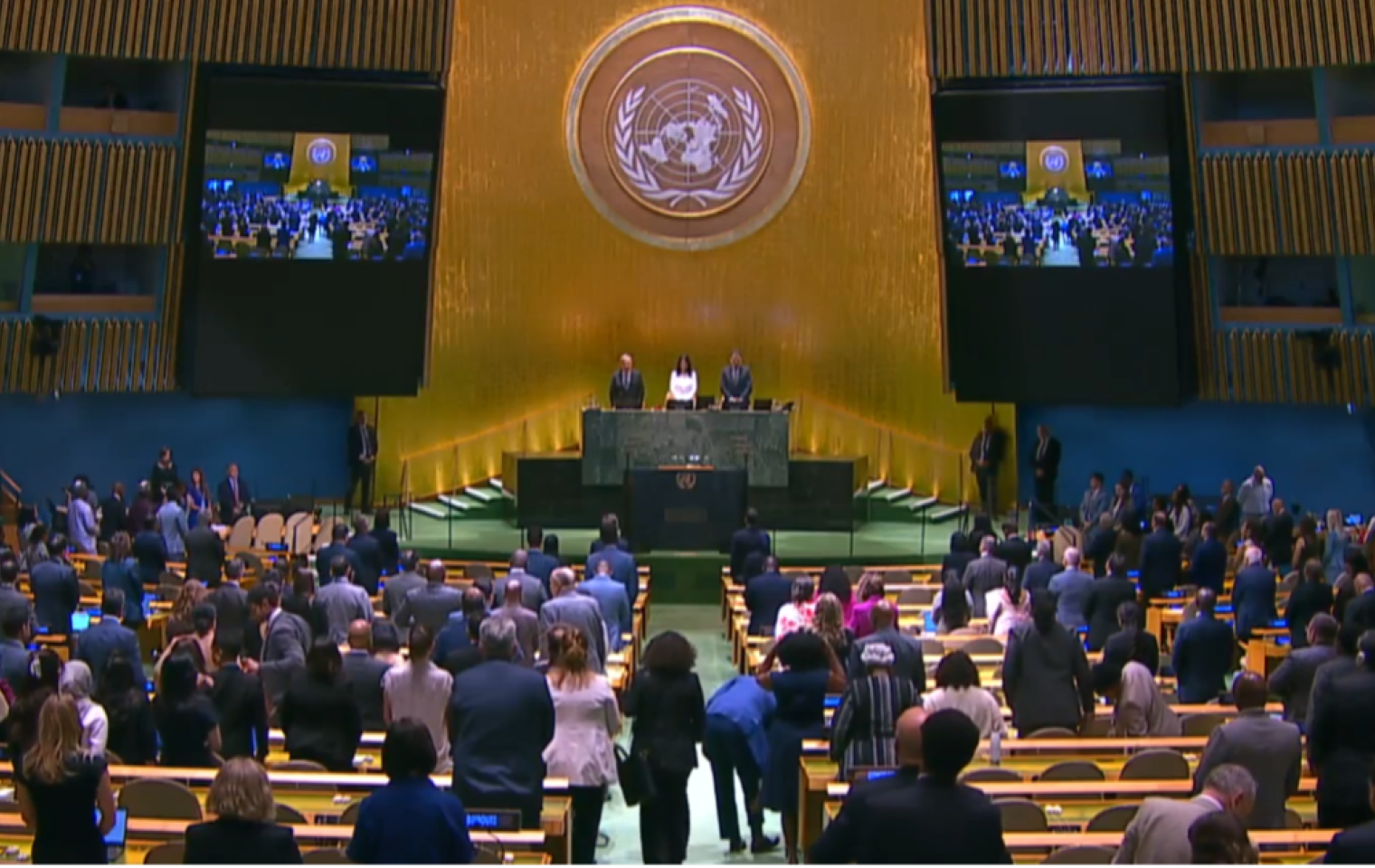
World leaders have renewed calls for sustained global investment and cooperation to strengthen pandemic prevention, preparedness and response, as the 81st United Nations General Assembly continues in the United States.
The commitment was made at the second UN General Assembly High Level Meeting on Pandemic Prevention, Preparedness and Response, convened three years after the first meeting held during the COVID 19 pandemic.

The World Health Organization (WHO), which disclosed this in a statement on Friday, said participants stressed that pandemic preparedness should not be treated as the responsibility of the health sector alone.
According to the organisation, governments, communities and other relevant sectors must work together to strengthen national and global health security.
The meeting also recognised developments since 2023, including the adoption of the WHO Pandemic Agreement, amendments to the International Health Regulations and expanded infrastructure for disease surveillance, pathogen sharing and local production.
WHO Director General, Dr Tedros Ghebreyesus, said maintaining that progress would require continued investment.
He said COVID 19 resulted in more than 20 million excess deaths between 2020 and 2023 and caused losses of more than $10 trillion to the global economy, exposing weaknesses in pandemic preparedness and global health security.
Ghebreyesus called for urgent measures to strengthen national and local capacity, build resilient health systems and improve equitable access to pandemic related products, tools and resources.
A key issue at the meeting was the ongoing negotiation of the Pathogen Access and Benefit Sharing system, known as PABS, which forms part of the WHO Pandemic Agreement.
The proposed system is intended to support timely sharing of pathogens with pandemic potential while ensuring that benefits derived from their use, including vaccines, medicines and diagnostics, are distributed equitably.
UN Deputy Secretary General, Amina Mohammed, urged member states to speed up negotiations on the PABS annex, describing its completion as critical to implementing the Pandemic Agreement.
She said adoption of the annex at the World Health Assembly in May 2027 would enable member states to begin national consideration of ratification of the agreement.
Mohammed also said the declaration adopted at the meeting recognised that national health security depends on international cooperation and global solidarity in responding to health threats that cross borders.
She further highlighted the One Health approach, which recognises the links between human, animal and environmental health and calls for coordinated action across the three areas.
President of the 81st UN General Assembly, Dr Khalilur Rahman, said international cooperation remained necessary to ensure timely and equitable access to vaccines, diagnostics, therapeutics and other essential medical supplies.
He also called for stronger health systems and action to address persistent financing gaps, while emphasising the need to equip communities to respond to future pandemic threats.
THE ISSUES
- The renewed commitment places pandemic preparedness within a broader national and international security framework, with governments, communities and sectors beyond healthcare expected to contribute to prevention and response.
- Financing remains central to preparedness, with participants calling for sustained investment in health systems and local and national capacities even when there is no major health emergency.
- The proposed PABS system is intended to address both pathogen sharing and equitable access to products developed from shared pathogens, including vaccines, medicines and diagnostics.
- The One Health approach broadens pandemic prevention beyond human health by linking risks and responses involving people, animals and the environment.
WHAT’S BEING SAID
“Continued investment was essential to sustain progress, noting that COVID 19 caused more than 20 million excess deaths between 2020 and 2023. – Dr Tedros Ghebreyesus, WHO Director General
“She said adoption of the annex at the World Health Assembly in May 2027 would allow member states to begin national consideration of ratification of the Pandemic Agreement. – Amina Mohammed, UN Deputy Secretary General
“International cooperation remained essential to ensuring equitable and timely access to vaccines, diagnostics, therapeutics and other essential medical supplies. – Dr Khalilur Rahman, President of the 81st UN General Assembly
WHAT’S NEXT
Member states are expected to continue negotiations on the PABS annex, with its proposed adoption at the World Health Assembly in May 2027 identified as a step towards national consideration of the WHO Pandemic Agreement.
BOTTOM LINE
World leaders are seeking to keep pandemic preparedness as a sustained global priority through stronger health systems, financing, cooperation and equitable access to essential medical tools. The next major step identified at the meeting is progress on the PABS annex to the WHO Pandemic Agreement.