









KEY POINTS
- Renewable energy expert Mosho Adekunle advocates wider deployment of solar mini grids and pay as you go systems.
- He says distributed solar can serve communities with weak or no national grid access.
- Mini grids can support productive activities while reducing reliance on diesel generators.
- Adekunle says falling technology costs and innovative financing could accelerate deployment.
MAIN STORY
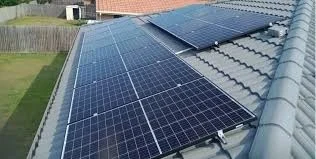
A renewable energy expert, Mosho Adekunle, has called for greater investment in solar mini grids and pay as you go (PAYG) solar systems as Nigeria seeks practical ways to expand electricity access.
Adekunle made the call on Monday in Abuja during an interview with the News Agency of Nigeria (NAN), saying distributed solar could provide electricity to households, businesses and public institutions in areas poorly served by the national grid.
He explained that isolated mini grids could supply communities located far from existing grid infrastructure, while interconnected systems could strengthen distribution networks by operating alongside the national grid.
According to him, some early mini grid projects in Nigeria had increased electricity availability in communities from fewer than three hours a day to about 15 hours.
Adekunle said PAYG systems could also make solar power more accessible by allowing users to spread payments over time instead of bearing the full cost of purchasing and installing a system upfront.
He said such systems could combine solar panels, batteries, lighting and phone charging facilities, making them suitable for households and micro businesses that cannot afford conventional electricity alternatives.
The expert said consumers could make an initial deposit followed by daily or weekly payments through mobile money, a structure he said was particularly suitable for households with irregular incomes.
Beyond household use, Adekunle identified cold storage, milling, welding and irrigation as productive activities that could increase demand for electricity while helping to spread the cost of mini grid operations across more users.
He estimated that solar mini grids could provide electricity at between 18 and 28 cents per kilowatt hour, depending on factors including demand and grid interconnection. Diesel generated electricity, he said, could cost between 30 and 60 cents or more per kilowatt hour.
Adekunle added that reliable distributed power could help shops, workshops and cold storage businesses reduce their dependence on diesel generators and improve the predictability of their electricity costs.
He also identified schools, clinics and local government offices as potential beneficiaries, particularly for essential services requiring lighting, refrigeration, computers and water pumping.
The expert said technological and market developments could further reduce the cost of distributed solar. These include cheaper lithium batteries, lower solar panel prices, energy efficient appliances, local assembly and the availability of skilled technicians.
He also pointed to smart metering and mobile payment platforms as tools that could strengthen revenue collection, while private developers and results based financing could help increase the pace of deployment.
Adekunle said Nigeria’s expanding mini grid market and programmes such as the $750 million Distributed Access through Renewable Energy Scale up (DARES) initiative presented an opportunity to extend electricity access.
He urged policymakers and investors to view distributed renewable energy as a complement to national grid expansion rather than waiting for grid infrastructure to reach every underserved community.
THE ISSUES
- Extending the national grid to every underserved community can take time and require substantial infrastructure investment. Distributed solar offers another route for providing electricity in locations where grid access remains weak or unavailable.
- The cost of electricity remains closely linked to the source of generation. Where businesses and households depend heavily on diesel generators, lower operating costs from solar systems could improve energy affordability and business viability.
- The upfront cost of solar equipment remains a barrier for many low and middle income households and small businesses. PAYG financing addresses this by spreading the cost over a period rather than requiring full payment at the beginning.
- Electricity access can become more economically useful when it supports productive activities. Businesses such as cold storage, milling and welding can create additional demand that improves the utilisation of mini grid systems.
- The expansion of distributed solar will also depend on the ability of developers to recover their investment. Effective metering, digital payments, private capital and results based financing can influence whether projects remain financially sustainable.
WHAT’S BEING SAID
“Solar mini-grids and Pay-as-you-Go solar home systems remain the most practical and scalable innovations for expanding affordable electricity access.” – Mosho Adekunle, renewable energy expert
“Flexible payments are particularly important for low-and-middle-income households whose incomes may not be regular.” – Mosho Adekunle, renewable energy expert
“Rather than waiting for a fixed national grid, distributed solar solutions can deliver reliable power quickly where the grid is weak or absent.” – Mosho Adekunle, renewable energy expert
WHAT’S NEXT
Adekunle urged policymakers and investors to prioritise distributed renewable energy alongside conventional grid expansion. The sector could also benefit from increased private investment, results based financing and wider adoption of technologies that reduce system costs.
BOTTOM LINE
Solar mini grids and PAYG systems could provide a faster route to electricity access for communities and users poorly served by the national grid. Their wider adoption will depend on affordability, sustainable financing, reliable technology and viable business models.








 solar ...)