



By Boluwatife Oshadiya | August 28, 2026
Key Points
- President Bola Tinubu orders comprehensive reforms to address Nigeria’s repeated football qualification failures
- National Sports Commission Chairman Shehu Dikko is directed to work with the NFF Secretariat and stakeholders
- Reform process will cover governance, administration, development pathways, domestic competitions and accountability
Main Story
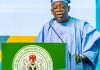
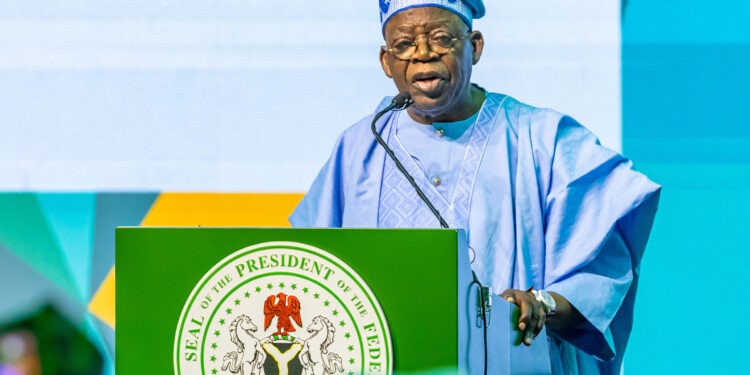
President Bola Tinubu has directed a comprehensive reform of Nigerian football, citing repeated failures to qualify for major regional, continental and world tournaments.
The directive, announced on August 27 by Presidential Special Adviser on Information and Strategy Bayo Onanuga, targets structural weaknesses in the administration and development of the sport.
Tinubu said the reform would strengthen governance, administration, stakeholder representation, player development pathways, domestic competitions and accountability across Nigerian football.
“The reform must respond to a longstanding need to strengthen governance, administration, stakeholder representation, development pathways, domestic competitions and accountability across Nigerian football,” President Bola Tinubu said.
The President said football had continued to struggle despite significant public support, investment and national attention, while other sports had recorded progress following the reset of the sector under the re-established National Sports Commission.
“Football, Nigeria’s most popular sport and the greatest beneficiary of public support, investment and national attention, has continued to struggle basically due to structural deficits within the system,” Tinubu said.
Tinubu directed the Chairman of the National Sports Commission, Shehu Dikko, to work with the Nigeria Football Federation (NFF) Secretariat and relevant stakeholders to maintain essential football administration while facilitating a broad and consultative reform process.
The process is expected to include engagement with FIFA and the Confederation of African Football (CAF), while preserving Nigeria’s obligations under the international football framework.
The directive came hours after NFF President Ibrahim Musa Gusau, General Secretary Mohammed Sanusi and members of the federation’s executive committee resigned, according to Reuters. The resignations followed mounting criticism after Nigeria’s failure to qualify for the 2026 men’s World Cup and the Super Falcons’ failure to reach the 2027 Women’s World Cup.
The Issues
The presidential directive places governance and institutional administration at the centre of Nigeria’s football problems. The State House said the reform is intended to address weaknesses extending from stakeholder representation and development pathways to domestic competitions and accountability.
The timing also links the reform to a significant leadership transition within the NFF. Reuters reported that the federation’s leadership resigned about one month before its elective congress scheduled for September 27 in Lafia, creating an immediate need for administrative continuity during the transition.
What’s Being Said
“Nigerian football must begin to match the country’s exceptional talent, passion and resources with stronger institutions and sustained performance.” President Bola Tinubu.
NFF President Ibrahim Gusau, announcing his resignation on August 27, said his decision was intended to give other Nigerians an opportunity to contribute to the development of football. Channels Television reported that Gusau also maintained that he was leaving the federation in a better position than he found it.
What’s Next
- Shehu Dikko and the NFF Secretariat are expected to work with football stakeholders to maintain essential administration during the transition
- The National Sports Commission is expected to facilitate broader consultations on reforms across Nigerian football
- The reform process will involve appropriate engagement with FIFA and CAF while maintaining Nigeria’s international football obligations
The Bottom Line:
Tinubu’s directive moves Nigeria’s football crisis beyond questions of team performance and places institutional governance, accountability and development systems at the centre of the response. Its effectiveness will depend on whether the proposed consultation produces durable administrative reforms rather than another short-term leadership change.