






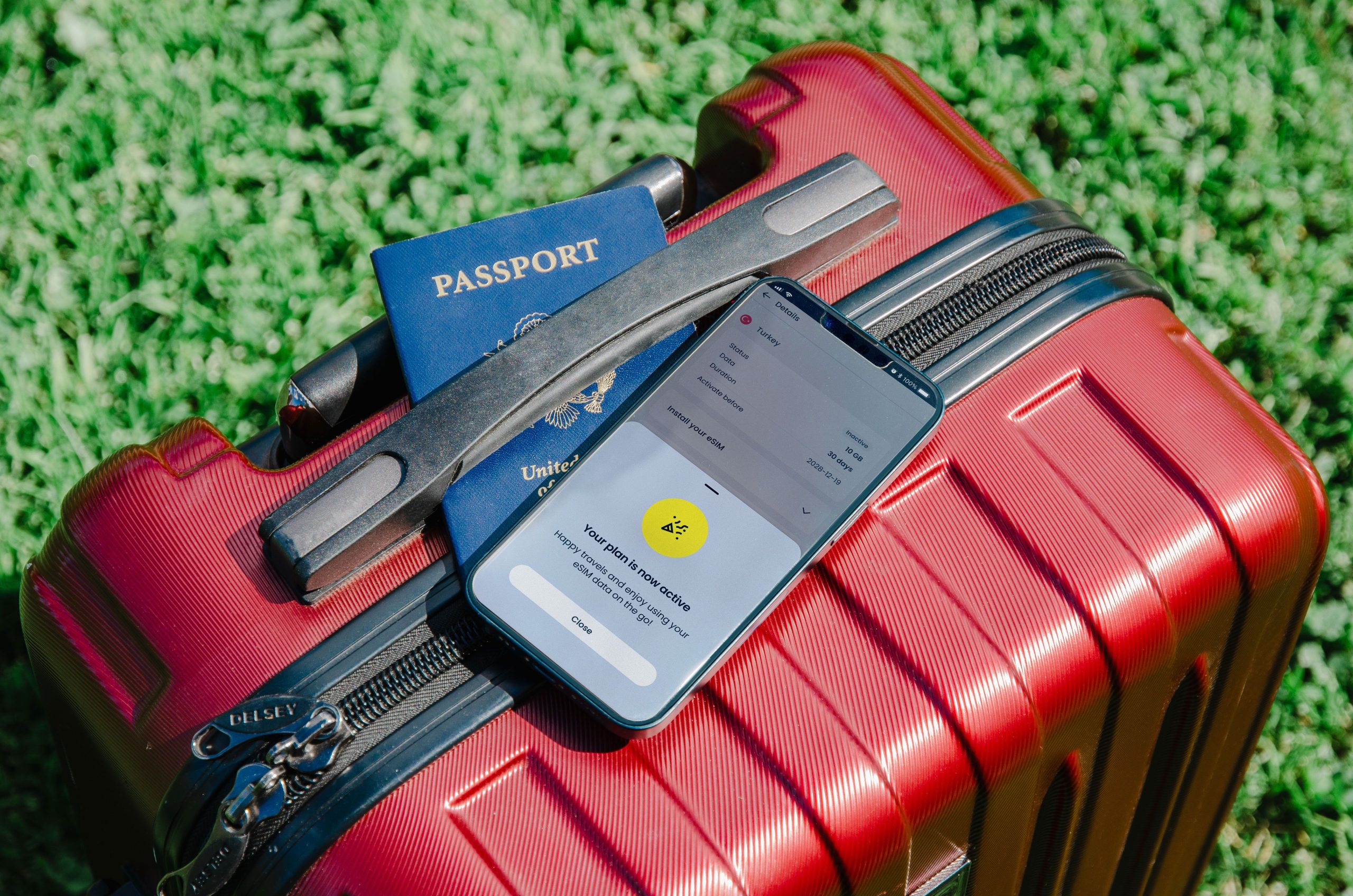
Gone are the 14 open browser tabs, the conflicting TripAdvisor reviews, the hours lost to building spreadsheet itineraries, and the lingering anxiety that you’ve missed the best deal. In 2026, AI travel tools handle most of the hard work building full trip plans, comparing routes, suggesting local places, tracking price changes, and even fixing schedules in real time if flights get delayed or weather changes. What used to take a week of research can now be done in an afternoon. Here’s your complete step-by-step guide to planning an entire 7-day trip using AI, from the first spark of an idea to the moment you land.
Step 1: Start with a Conversational Prompt, Not a Search Bar
The biggest mindset shift is learning to talk to AI like a well-traveled friend, not a search engine. Instead of doing everything step by step, travelers now just type what they want in plain words someone might say “Plan me a calm 7-day Italy trip with good train travel, local food, and fewer tourists,” and the AI builds almost the whole trip in seconds.
Be as specific as possible from the start. Mention your budget range, who you’re traveling with, your energy level (packed schedule vs. slow travel), dietary preferences, and any hard dealbreakers. The more human context you give it, the less generic the output will be. A great opening prompt might look like: “I have $3,000 for a solo 7-day trip to Japan in October. I prefer quiet neighborhoods, great street food, walking over taxis, and at least one day completely off the tourist trail. That one prompt will get you further than two hours of Googling. You just type what you want in plain words and the AI builds almost the whole trip in seconds and unlike a search result, it actually responds to you, not some average tourist .
Step 2: Use Specialized Tools for Flights and Accommodation
Rather than letting one AI handle everything, treat different tools as specialists. Kayak AI Assistant and Hopper predict airfare trends and suggest optimal booking times, while Google AI Trip Planner generates visual itineraries, integrates flights and hotels, and adapts plans based on real-time changes.
Run your destination and dates through both to cross-check prices before booking. Hopper in particular excels at telling you whether prices are likely to drop or rise in the next two weeks a feature that alone can save you hundreds. For accommodation, ask your AI of choice to filter options not just by price but by proximity to your planned activities, walkability score, and neighborhood vibe Don’t skip the step of asking your AI: “What are the best-value neighborhoods to stay in for this type of trip?” The answer often surprises people who default to booking in the most famous district.
Step 3: Ask It to Build Your Days Around Real Life, Not a Highlight Reel
This is where AI genuinely beats every travel blog and guidebook. AI travel tools in 2026 look at travel style, budget, food choices, energy levels, and even how fast someone likes to move during a trip. The result feels less like a tourist brochure and more like a plan made for an actual person. Platforms like Mindtrip and GuideGeek create day-by-day itineraries tailored to your group, including kid-friendly activities where needed and modern systems pay attention to patterns like preferring slow mornings, small cafés, and relaxed schedules instead of packed sightseeing lists.
When reviewing your draft itinerary, ask the AI to explain its reasoning. Why did it schedule the museum on Tuesday? Why is this neighborhood a better base than that one? Interrogating the plan helps you spot assumptions that don’t match your reality, and refining those details turns a good itinerary into a great one.
Step 4: Hunt for Hidden Gems, Not Just Landmarks
Every city has a top-ten list and every travel blog has the same one. The thing I love most about using AI for travel is what happens when you push it past the obvious.
Ask it: “What do locals actually do here on a Sunday?” or “Give me five experiences that won’t show up on a standard travel blog.” or even just “Where would you take a friend who’s visited before and is bored of the usual spots?”
The best AI travel tools uncover hidden gems and off-the-beaten-path moments that mainstream tourists usually miss the kind of places that end up being the stories you tell when you get home. That little side-street restaurant in a residential neighborhood. The Sunday market that only locals know about. The viewpoint with no Instagram queue. Those are the memories that last. And AI is surprisingly good at finding them you just have to ask.
Step 5: Plan Around Logistics, Not Just Highlights
Here’s a travel truth nobody tells you enough: things go wrong. Restaurants close. Tickets sell out. It rains for two days straight. The “unmissable” attraction is underwhelming in person.
Before every trip, I ask my AI: “Give me two solid backup options for each major activity, just in case.” I save those offline so I have them even without signal. It takes five extra minutes and it’s saved several of my trips from becoming stressful.
The best AI trip planning tools are built for exactly this letting you swap activities, adjust the pace, and tweak plans on the fly until the trip actually feels right for you. Use that flexibility both before and during the trip. Some travelers also keep their AI tool open during the trip itself as a real-time concierge asking it for dinner recommendations based on where they ended up that evening, or requesting a new plan when half a day opens up unexpectedly.
Step 7: Debrief After the Trip
This final step most people skip entirely and it’s one of the highest-value moves for frequent travelers. After returning, spend 10 minutes telling your AI what worked, what didn’t, what you wish you’d known, and what you’d do differently. Save that as a personal travel profile you paste into future trip-planning prompts. Over time, your AI starts producing recommendations that feel almost eerily well-matched to how you actually travel.
Travel planning used to be a second job. In 2026, it can be a genuinely enjoyable afternoon with a result better than anything you’d get from weeks of manual research or a generic package tour. The best trip you’ve ever taken might be one well-crafted prompt away.