




Key points
- Curators of Echoes of Antiquity say Nigeria must reconnect with its cultural roots through art and literature.
- The exhibition is holding at the Didi Museum in Lagos from June 21 to June 27.
- It features books, visual art, textiles and ceramics exploring identity, memory and heritage.
- Organisers say colonial history and modern influences have weakened cultural identity.
- The project is a collaboration between Book Nook and Didi Museum.
Main Story
Curators of the exhibition Echoes of Antiquity: History and Heritage say Nigeria’s cultural future depends on a deeper reconnection with its roots, with art and literature playing a central role in preserving identity and strengthening collective memory.
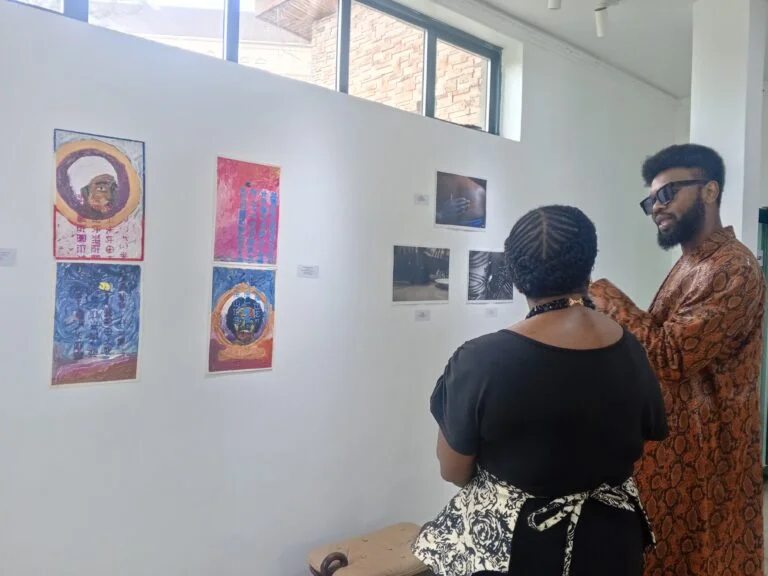
The exhibition, which opened on Sunday at the Didi Museum in Lagos, runs from June 21 to June 27 and brings together a mix of paintings, textiles, ceramics, installations and literary works that explore themes of identity, memory, heritage and historical consciousness.
Organised by Book Nook in collaboration with Didi Museum, the exhibition positions storytelling and visual expression as linked tools for understanding how Nigeria’s past continues to shape its present. Visitors are presented with works that draw from both historical references and contemporary interpretations of cultural identity.
Speaking at the opening, co-curator Mr Patrick Odimnfe said the exhibition was driven by the need to reflect on Africa’s origins and reconnect modern audiences with indigenous cultural foundations that are often overlooked in contemporary society.
He said the idea behind Echoes of Antiquity was to provoke reflection on the journey between past and present, and to encourage a stronger appreciation of cultural heritage in everyday life.
According to him, cultural institutions such as museums and galleries have a responsibility to close the gap between modern African identities shaped by colonial experiences and the continent’s original cultural expressions.
He explained that many of the featured artworks engage directly with questions of identity and memory, using symbolism and narrative to explore how history continues to shape self-perception in Nigeria today.
One of the installations draws inspiration from Chimamanda Adichie’s Half of a Yellow Sun, using visual symbols such as masks and layered imagery to examine cultural identity, inherited memory and the tension between tradition and modern influence.
Another artwork by Kome Otobo reflects the culture and environment of the Urhobo people of Delta State, incorporating imagery linked to fishing, palm oil production, petroleum extraction and environmental degradation, highlighting the intersection between culture, economy and ecological change.
Co-curator and founder of Book Nook, Ms Uzo Orimalade, said the exhibition was also designed to create a dialogue between literature and visual art, allowing written works to be reinterpreted through artistic expression.
She said three major literary works — Wole Soyinka’s Ake: The Years of Childhood, Chimamanda Adichie’s Half of a Yellow Sun, and a collection of northern Nigerian stories dealing with displacement, spirituality and conflict — served as the foundation for the exhibition.
According to her, these texts were selected because they capture important aspects of Nigeria’s historical and cultural experience, offering insights into identity formation and collective memory.
She added that translating literature into visual form allows audiences to engage with familiar stories in new and more immersive ways, strengthening the connection between storytelling and cultural preservation.
The Issues
- Weakening connection between modern society and indigenous cultural heritage.
- Influence of colonial history on African identity formation.
- Limited public engagement with cultural institutions such as museums and galleries.
- Need to preserve heritage through creative and interdisciplinary approaches.
- Growing importance of storytelling in cultural preservation.
What’s Being Said
- Mr Patrick Odimnfe said: “Echoes of Antiquity speaks to that because we are echoing back to our origins and cultural heritage,” while explaining the concept behind the exhibition.
- He said: “The reason we exist is to close this gap between where we are as Africans influenced by colonial experiences and where we should be,” while describing the exhibition’s cultural objective.
- He said: “The work allows viewers to reflect on the many layers of experiences within the ethnic group and the wider Nigerian society,” while referencing featured artworks.
- Ms Uzo Orimalade said: “These works are pivotal to the Nigerian story. They are snapshots of what Nigerians have experienced,” while discussing the literary foundation of the exhibition.
- She said: “We wanted to take those works of words and have them represented visually through different artistic media,” while explaining the concept of literary-to-visual interpretation.
What’s Next
- The exhibition will continue at the Didi Museum in Lagos until June 27.
- Visitors are expected to engage with interactive literary and visual installations.
- Organisers plan to deepen conversations around culture, identity and heritage.
- Future editions may expand the collaboration between writers and visual artists.
Bottom Line
The Echoes of Antiquity exhibition is positioning art and literature as tools for cultural reconnection, with curators urging a renewed focus on Nigeria’s indigenous identity and heritage preservation.