








Key points
- An agricultural expert has called on local government chairmen in Ekiti State to fund food and vegetable production to combat rising food inflation.
- Local government areas possess extensive fertile lands that could be used to grow essential staples like yam, cassava, maize, and beans.
- The expert noted that many investors avoid farming because it lacks immediate financial returns, making government backing essential.
- Implementing automated, mechanized farming practices at the grassroots level would significantly accelerate regional food security.
- Council officials are being urged to recruit professional agricultural consultants to properly oversee and manage the local farming initiatives.
Main Story

Local government chairmen across Ekiti State have been urged to invest aggressively in the agricultural sector to ease the burden of soaring food, beverage, and vegetable prices on rural families.
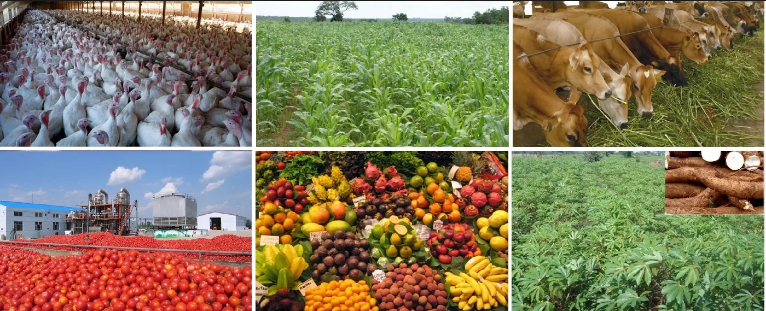
Speaking to journalists\ in Otun-Ekiti, experienced agronomist Dr. Oluwaseun Adesanmi explained that the subnational food inflation crisis would be far less severe if every local government area (LGA) actively engaged in cultivating essential staple crops. Adesanmi emphasized that because each local administrative zone possesses vast, highly fertile soils capable of yielding bountiful harvests, council-led cultivation programs would allow local food vendors to buy directly from municipal farms and resell to residents at highly affordable rates.
The agricultural expert acknowledged that many individuals and corporate entities currently avoid farming ventures because the sector does not yield rapid financial returns. To overcome this barrier, Adesanmi called for significant public capital investments in mechanized farming at the grassroots level to boost large-scale food production and shield the state from food scarcity.
He concluded by advising the council chairmen to actively align their budgets with the state government’s broader anti-inflationary policies, emphasizing that local governments must hire qualified agricultural experts and technical consultants to manage these food security projects professionally.
The Issues
- Overcoming the reluctance of local administrators to commit public funds to long-term agricultural projects that lack immediate revenue returns.
- Procuring and maintaining expensive mechanized farming equipment across multiple rural local government areas.
- Standardizing supply chain logistics to ensure commodities like tomatoes and pepper move efficiently from council farms to local markets.
What’s Being Said
- Highlighting the economic benefits of municipal farming initiatives, agronomist Dr. Oluwaseun Adesanmi stated: “Agricultural business is a very good investment if the chairmen are ready to invest in it because there are many fertile soil in all our communities and villages that will yield bountiful harvest. Each local government can be producing various food items and beverages such yam, maize, cassava, beans, vegetables, tomatoes and pepper,”.
What’s Next
- Ekiti council chairmen will hold internal budget reviews to determine funding allocations for local agricultural development.
- Local government secretariats will begin mapping out underutilized public lands to designate specific zones for staple crop production.
- Ministry officials will draft hiring guidelines to help local councils recruit certified agronomists to supervise the upcoming planting cycles.
Bottom Line
An expert agronomist has challenged Ekiti local government chairmen to tackle high food inflation by converting their fertile communal lands into mechanized farms, using professional management to drive down the cost of basic food staples.