


Key points
- Patients in public hospitals across Ondo, Osun and Ekiti states have raised concerns over shortages of health workers and essential medicines.
- Medical professionals warn that poor remuneration and the continued migration of healthcare workers are worsening service delivery.
- State health authorities say recruitment drives and infrastructure upgrades are underway to strengthen healthcare services.
Main story
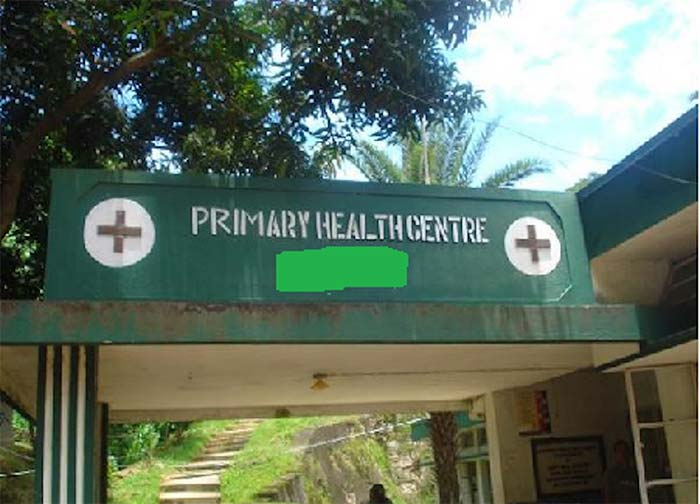
Patients receiving treatment in public hospitals across Ondo, Osun and Ekiti states have expressed concern over persistent shortages of healthcare workers and essential drugs, warning that the challenges are affecting access to quality medical care.
Many patients who spoke to journalists appealed to their state governments to urgently address manpower deficits and rising medication costs, arguing that the situation is placing additional burdens on already vulnerable residents.
At the Ondo State Specialist Hospital in Okitipupa, patients described a healthcare system struggling to cope with increasing demand amid a shortage of doctors and nurses.
Some patients also complained that prescribed medications were often unavailable within hospital facilities, forcing them to purchase drugs from private pharmacies at significantly higher prices.
In Osun State, patients acknowledged improvements in healthcare delivery in some public hospitals but noted that they still had to provide delivery kits and other consumables during treatment.
Healthcare professionals across the three states say the challenges are not limited to patients, as hospitals are increasingly grappling with staff shortages driven by the migration of medical personnel abroad in search of better opportunities.
The issues
Medical experts identified inadequate staffing, poor remuneration, deteriorating infrastructure and high operational costs as some of the major factors affecting healthcare delivery in public hospitals.
According to healthcare practitioners, the departure of specialist doctors, including neurosurgeons, cardiologists and oncologists, has left many hospitals overstretched, increasing workloads for the remaining staff.
They also raised concerns over low morale among healthcare workers, inadequate maintenance of medical equipment and corruption within parts of the healthcare system.
Experts warned that unless these issues are addressed, public hospitals could face greater difficulties in meeting the healthcare needs of growing populations.
What’s being said
“How can a few doctors and nurses be attending to lots of patients? Many of the patients are in serious pain and need attention but the shortage of health workers is affecting their services,” said Julius Adegoroye, a patient at the Ondo State Specialist Hospital, Okitipupa.
“After attending to you, they ask you to buy drugs from pharmacies outside the hospital which are very expensive and this is really taking a toll on patients,” said Iyabo Akinugba, a patient in Ondo State.
“The government should ensure proper remuneration, curb corruption and guarantee that equipment is maintained by qualified personnel,” said Dr Sam Adegboye, Assistant Chief Medical Officer at the Federal Teaching Hospital, Ido-Ekiti.
What’s next
Healthcare stakeholders are calling for increased government investment in public hospitals through improved funding, better welfare packages for medical personnel and sustained recruitment of healthcare workers.
In Ekiti State, authorities say efforts are already underway to strengthen healthcare infrastructure through the construction of new general hospitals, renovation of existing facilities and the recruitment of additional doctors and health workers.
Officials believe these interventions will help improve service delivery and reduce pressure on existing healthcare institutions.
Bottom line
The concerns raised by patients and healthcare professionals underscore the mounting pressure facing public hospitals in Ondo, Osun and Ekiti states. While governments are introducing reforms and recruitment programmes, stakeholders insist that sustained investment in personnel, infrastructure and affordable medicines will be critical to improving healthcare outcomes.