Key Points
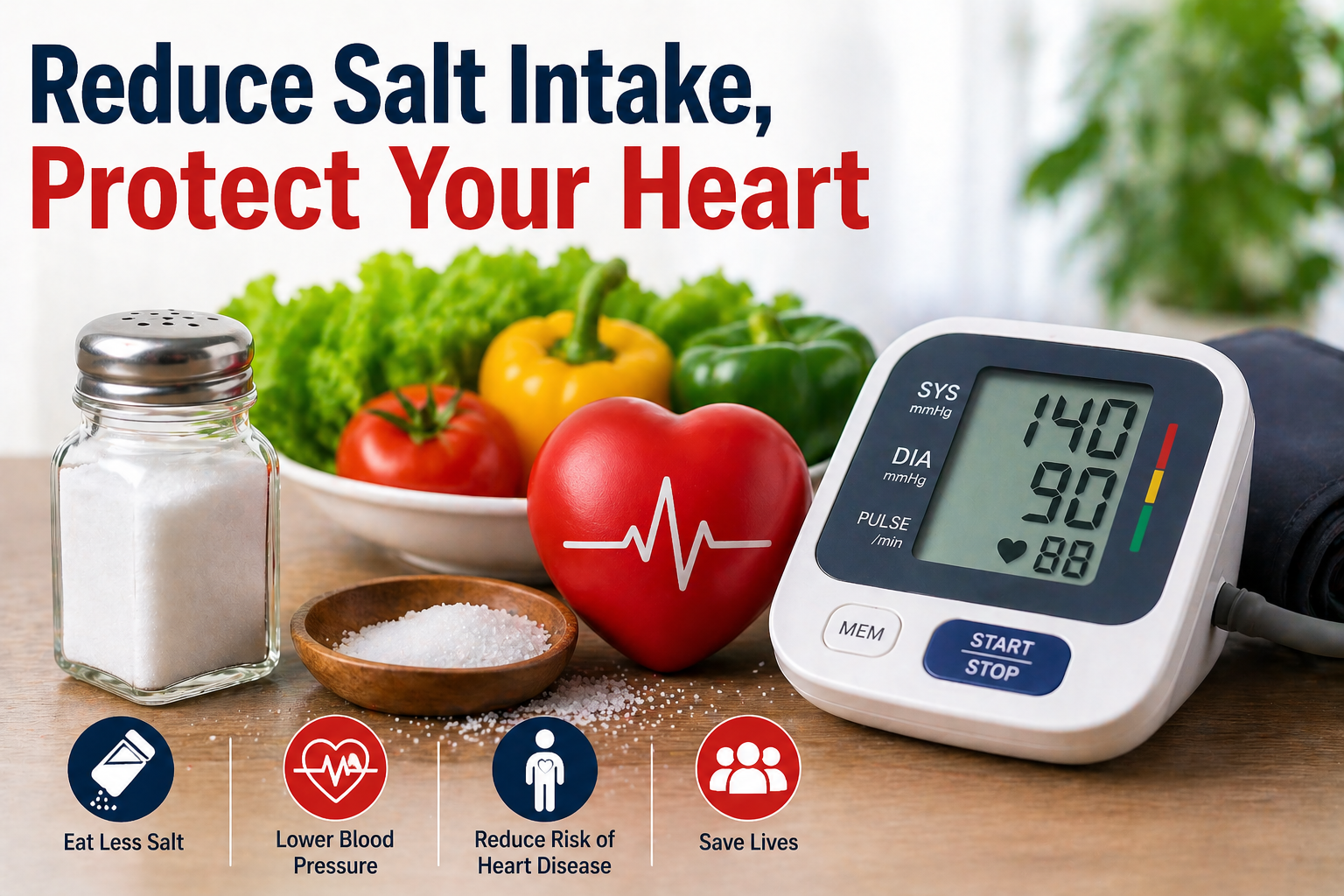
- Health experts say excessive salt intake increases the risk of high blood pressure.
- High blood pressure is a major cause of cardiovascular diseases.
- Nigerians consume about 10 grams of salt daily—double the recommended amount.
- Reducing salt intake could save millions of lives globally.
- Government is working on national guidelines to limit salt in foods.
Main Story
Health experts have raised concerns over the high level of salt consumption in Nigeria, warning that it could lead to serious health problems, including heart disease and high blood pressure.
Speaking at a journalism training organised by Corporate Accountability and Public Participation Africa in Abuja, public health researcher Ekiyor explained that excessive salt intake is strongly linked to non-communicable diseases.
According to him, consuming too much salt over time can lead to high blood pressure, which is one of the leading causes of cardiovascular diseases.
“Cardiovascular diseases kill millions of people globally every year,” he said. “Reducing salt intake is a simple but powerful way to save lives.”
He added that medical evidence supports the link between salt consumption and hypertension, noting that cutting down on salt not only reduces the risk of developing high blood pressure but also helps people already living with the condition avoid complications.
The World Health Organisation also recommends reducing salt intake as a key step toward better health. According to global data, lowering salt consumption by 30 percent could save up to 1.6 million lives worldwide.
The Issues
One major concern is that the average Nigerian consumes about 10 grams of salt daily twice the recommended limit of 5 grams.
This high intake is largely due to the widespread use of salt in processed and packaged foods, as well as everyday cooking ingredients like seasoning cubes and baked products.
Many people are unaware of how much salt they consume daily, making it difficult to control intake. Over time, this can silently increase the risk of hypertension and other health complications.
Another challenge is that existing salt guidelines in Nigeria are not yet strictly enforced. While there are recommendations on how much salt should be used in different food categories, they remain voluntary rather than mandatory.
What’s Being Said
Ekiyor emphasised that reducing salt intake is a “life-saving intervention” and called for stronger policies to regulate salt levels in food.
He explained that different food groups, such as bakery products and processed foods, have specific salt limits set globally to protect public health.
Meanwhile, Femi Stephen from the Federal Ministry of Health and Social Welfare said Nigeria is making progress in developing National Sodium Reduction Guidelines.
According to him, the guidelines are about 70 to 80 percent complete, and efforts are ongoing to align food standards with global recommendations.
Also speaking, Akinbode Oluwafemi said the training was aimed at equipping journalists with the knowledge to report accurately on health issues and influence public behaviour.
He stressed the role of the media in raising awareness and encouraging healthier eating habits among Nigerians.
What’s Next
The next step is to move from voluntary guidelines to enforceable regulations that set clear limits on salt content in food products.
Government agencies, including the Standards Organisation of Nigeria, are expected to play a key role in implementing these standards.
There are also calls for increased public awareness campaigns to educate people on the dangers of excessive salt intake and how to make healthier food choices.
If properly enforced, these measures could significantly reduce the burden of heart disease and other related conditions in the country.
Bottom Line
Excessive salt consumption is a silent health risk affecting millions of Nigerians.
Experts say reducing daily salt intake is one of the easiest and most effective ways to prevent high blood pressure and heart disease.
With stronger policies, public awareness, and individual action, Nigeria can take a major step toward improving public health and saving lives.