





Keypoints
- NNPC Limited has officially denied claims that it is selling scrap materials or equipment from its refineries.
- The company warned that unauthorized individuals are posing as agents to facilitate these fraudulent sales.
- No bids, tenders, or expressions of interest have been issued for the disposal of refinery components or warehouse inventory.
- NNPC maintains that any legitimate asset disposal will follow transparent, publicly communicated processes.
- The public is urged to report any individuals making these false representations to law enforcement.
Main Story
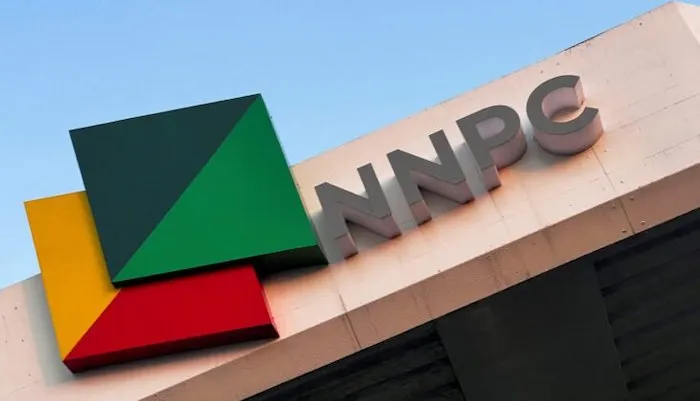
Nigeria’s national energy company, NNPC Limited, has moved to debunk a growing wave of misinformation regarding the sale of its industrial assets.
In a public notice signed by Chief Corporate Communications Officer Andy Odeh, the company categorically stated that it is not disposing of scrap metals, equipment, or components from any of its refineries.
This warning comes in response to reports of private individuals and companies receiving false solicitations from people claiming to be authorized NNPC representatives.
The company clarified that its warehouses and inventories remain intact and that no approvals have been granted for private sales.
NNPC emphasized that as a commercial entity committed to transparency, any future disposal of national energy assets would be conducted through established, competitive, and highly regulated channels.
Stakeholders and the general public are advised to exercise extreme caution and rely solely on official NNPC communication platforms to avoid falling victim to these coordinated scams.
The Issues
The primary challenge is the impersonation-fraud gap; sophisticated scammers are leveraging the name of the national oil company to lure private investors into “ghost” transactions for refinery parts. Authorities must solve the problem of information-verification friction, as the rapid spread of false tenders on social media can often move faster than official denials, leading to financial losses for unsuspecting businesses.
Furthermore, there is a reputational-integrity risk; frequent fraudulent claims involving national assets can damage the perceived transparency of the energy sector if not handled with immediate and public rebuttals. To succeed, NNPC must ensure that its official procurement and disposal portals are easily accessible so that stakeholders can verify the legitimacy of any “tender” in real-time.
What’s Being Said
- NNPC Limited has not issued any request for bids, tenders, expressions of interest, or approvals for the sale of scrap materials, the company stated.
- Andy Odeh emphasized that individuals presenting themselves as agents are not authorized and are “attempting to mislead members of the public.”
What’s Next
- NNPC is expected to increase its digital monitoring to flag and report social media accounts spreading these false scrap-sale advertisements.
- Law enforcement agencies are likely to begin investigating the syndicates behind these fraudulent refinery equipment claims.
- The company may release a list of official communication channels again to remind the public where to find authentic business opportunities.
- Stakeholders are anticipated to see more proactive public notices as NNPC continues to sanitize its corporate image under its new commercial structure.
Bottom Line
The warning from NNPC is a reminder that in the high-stakes world of national energy assets, if a deal looks too good to be true, it likely is. By nipping these “scrap metal” rumors in the bud, the company is attempting to protect both its inventory and its reputation for professional accountability.