










KEY POINTS
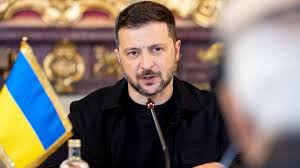
- Ukrainian President Volodymyr Zelensky stated in his Monday evening address that Russia is passing intelligence to the Iranian leadership.
- Citing the HUR military intelligence service, Zelensky claimed this support is aimed at extending the current war in the Middle East.
- The Ukrainian leader warned that Moscow’s invasion of Ukraine must not be allowed to benefit from the current oil price crisis.
- Intelligence reports suggest Russia may be planning a major strike against Ukrainian targets in the coming days.
MAIN STORY

President Volodymyr Zelensky reported on Monday that Ukrainian military intelligence (HUR) has uncovered evidence of ongoing intelligence sharing between Russia and Iran. In his nightly video address, Zelensky asserted that Moscow is actively supporting the Iranian leadership to ensure the conflict in the Middle East remains prolonged.
While the President did not provide specific details regarding the nature of the shared data, he indicated that the information had been corroborated by briefings from the SBU intelligence service. Zelensky emphasized that the geopolitical instability caused by the Middle East crisis should not be exploited by Russia to advance its own interests.
The President further linked the situation to the global energy market, stating that the spike in oil prices must not be allowed to replenish Russia’s war chest. He expressed gratitude to Ukrainian soldiers for the “accuracy” of recent strikes on Russian oil facilities, which he described as vital to Moscow’s ability to fund its invasion.
Amid these accusations, Zelensky also issued a warning to the Ukrainian public, citing intelligence that suggests Russia may be preparing for a significant military strike against Ukraine.
THE ISSUES
The primary concern for the Ukrainian administration is the “Geopolitical Diversion” created by the US-Israel-Iran war. By allegedly providing intelligence to Tehran, Russia may be attempting to tie down Western military resources and diplomatic focus in the Middle East, thereby reducing the support available to Kyiv.
Furthermore, the record high oil prices resulting from the Strait of Hormuz blockade provide a fiscal windfall for the Kremlin, offsetting the impact of Western sanctions. This strategic alignment between Moscow and Tehran complicates the 2026 security landscape, as Ukraine must now monitor both its own front lines and the spillover effects of the energy war in the Persian Gulf.
WHAT’S BEING SAID
- “Russia is passing intelligence to Iran in an effort to prolong the war in the Middle East,” stated Volodymyr Zelensky.
- “Russia’s war against Ukraine must not be allowed to benefit from the geopolitical situation and the crisis in oil prices,” the President added.
- “Russia might be planning a major strike,” Zelensky warned, citing recent intelligence briefs.
WHAT’S NEXT
- Ukrainian intelligence services are expected to share their findings on Russian-Iranian cooperation with Western allies this week.
- Military analysts are tracking the movement of Russian long-range bombers following Zelensky’s warning of a major strike.
- The Ukrainian government is likely to push for stricter global enforcement of oil price caps to prevent Russia from benefiting from the $100+ Brent crude environment.
- Further drone operations against Russian energy infrastructure in the Black Sea and Baltic regions are anticipated.
BOTTOM LINE
The Bottom Line is that Kyiv sees Moscow’s hand in the Middle East fire. By accusing Russia of fueling the Iran war with intelligence, Zelensky is signaling that the two conflicts are now strategically linked, and that any victory for Iranian-backed forces in the Gulf is a direct threat to Ukrainian security and Western resolve.












 has uncovered evidence of ongoing intelligence ...)