





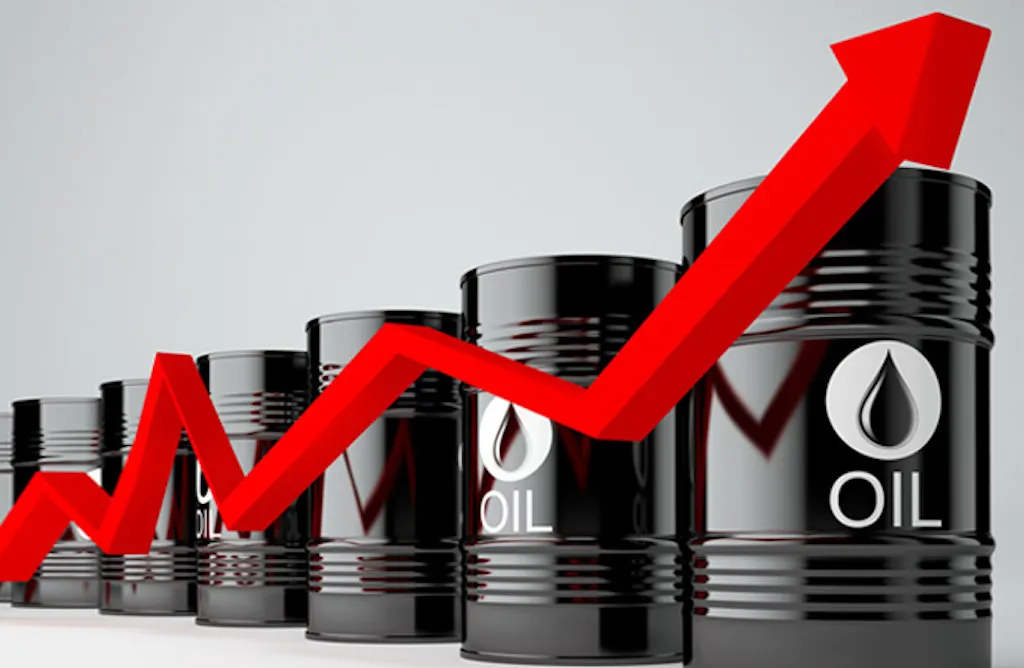
Global oil benchmarks moved higher on Wednesday, reversing the previous session’s softness, as renewed geopolitical concerns and anticipated seasonal demand from Asia supported the energy complex.
Brent crude, the international reference grade, traded at $68.81 per barrel, marking a 0.08 percent increase from its previous settlement of $68.75. Meanwhile, US benchmark West Texas Intermediate (WTI) rose 0.1 percent to $64.22 per barrel, up from $64.15 recorded in the prior trading session.
The upward movement was largely attributed to escalating uncertainty surrounding diplomatic engagements between the United States and Iran. Although both countries held discussions in Oman on February 6 and described the dialogue as constructive, market participants remain cautious. Lingering mistrust has kept a geopolitical premium embedded in crude pricing.
US President Donald Trump, speaking to Axios, disclosed that his administration is evaluating the deployment of a second aircraft carrier strike group to the region. The move, he noted, would form part of contingency planning should ongoing negotiations collapse.
“Either we will reach a deal, or we will have to take very tough measures like last time,” Trump stated, while expressing optimism that another round of talks could take place next week.
The possibility of heightened military posturing has reignited fears of supply disruptions in the Middle East, a region responsible for a substantial portion of global oil output.
Adding support to prices were expectations of increased fuel consumption in China ahead of the Lunar New Year holiday period, traditionally associated with heightened travel activity and stronger transport fuel demand. However, macroeconomic indicators from the world’s second-largest economy painted a more cautious picture.
Fresh data from Beijing revealed that China’s consumer price index (CPI) rose 0.2 percent year-on-year in January, underperforming market expectations. At the same time, the producer price index (PPI) declined 1.4 percent, extending a deflationary trend that has persisted for months.
Sluggish inflation readings often indicate restrained consumer spending and muted industrial activity. Analysts note that while holiday-related demand may offer short-term support to crude markets, broader concerns about China’s economic momentum could cap further upside.
For now, oil markets remain delicately balanced between geopolitical risk in the Middle East and macroeconomic fragility in Asia, with traders closely monitoring diplomatic developments and demand signals.