Nigeria’s foreign exchange market opened the 2026 trading year on a relatively steady note, with the Naira maintaining stability against the United States Dollar across both the official and parallel markets. This performance comes as the Central Bank of Nigeria (CBN) sustains its reform-driven monetary stance aimed at restoring confidence, transparency, and liquidity in the forex ecosystem.
Official Market Performance (NFEM)
At the Nigerian Foreign Exchange Market (NFEM), early trading data reflected a calm and balanced opening. Figures published by FMDQ Securities Exchange show the Naira exchanging at approximately ₦1,427.52 per US Dollar, indicating limited volatility in the official window.
Market observers note that the tight trading band relative to late-2025 levels suggests improving price discovery and reduced speculative pressure. The CBN’s medium-term projections have also supported sentiment, with the apex bank forecasting Nigeria’s external reserves to rise to $51.04 billion by the end of 2026, supported by stronger crude oil receipts and steady diaspora remittance inflows.
Parallel Market Developments
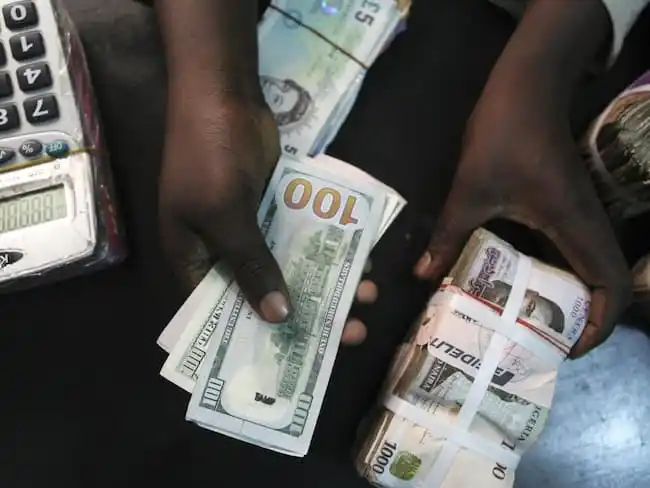
In the informal foreign exchange market, commonly referred to as the black market, the Naira continues to trade at a modest premium but remains broadly aligned with official rates. Checks among Bureau de Change (BDC) operators in Lagos and Abuja indicate Dollar sales ranging between ₦1,435 and ₦1,440 in early trading.
The narrowing spread between the official and parallel markets marks a notable shift from previous years and aligns with the federal government’s monetary objectives. Analysts say the convergence reflects reduced arbitrage opportunities and a gradual migration of forex demand toward regulated banking channels.
Key Market Influencers and Outlook
Several structural and policy-related factors are underpinning the Naira’s current position:
- External Reserve Strength: Improved reserve expectations have boosted confidence among investors and currency traders.
- Domestic Refining Expansion: Increased output from local refineries, particularly the Dangote Refinery, has reduced the country’s dependence on fuel imports, easing Dollar demand.
- Policy Consistency: The CBN’s “Consolidating Macroeconomic Stability” strategy, which targets headline inflation of about 12.94% by year-end, has been positively received by market participants.
As full trading activity gains momentum in the second week of 2026, stakeholders remain alert to further policy actions by the CBN to sustain the current exchange rate stability.