





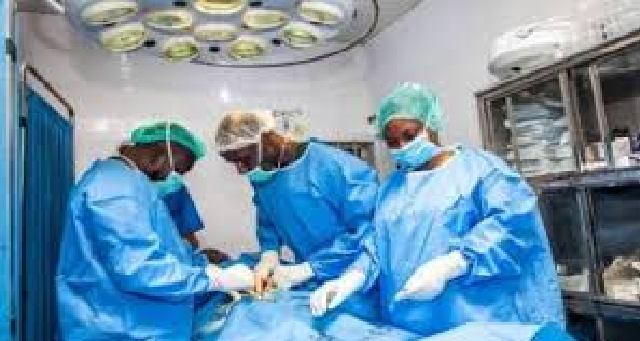
The Federal Government has kicked off the nationwide distribution of free Maternal and Neonatal Health (MNH) commodities valued at N2.9 billion, in a bid to strengthen maternal and child healthcare services across Nigeria.
The official flag-off ceremony, held in Abuja on Monday, was presided over by Dr. Muyi Aina, the Executive Director of the National Primary Health Care Development Agency (NPHCDA). He stressed that the initiative was designed to reduce preventable maternal and infant deaths by improving access to essential healthcare.
According to Dr. Aina, the programme is a direct reflection of the government’s commitment to tackling maternal mortality and providing women and children with equitable access to life-saving interventions.
Nationwide Implementation Plan
Dr. Aina revealed that the commodities will be distributed to Primary Health Care (PHC) facilities across selected states, beginning with ten states that record the highest rates of maternal and child mortality.
“This initiative is in line with President Bola Tinubu’s Renewed Hope Agenda, which prioritizes the health and well-being of women and children as a cornerstone for national development,” Aina noted.
He added that while the Federal Government has laid the foundation, states are expected to build on the intervention by integrating it into their health frameworks for long-term sustainability.
Targeted States and LGAs
The programme is initially targeting 80 Local Government Areas (LGAs) with the most critical maternal health challenges. Commodities will be provided to mothers and newborns free of charge, ensuring no financial barriers to access.
Distribution has been structured regionally, with the Northwest receiving 60% of the supplies, the Northeast 34%, while the remaining allocations will be shared between the North Central and Southeast.
Beyond distributing commodities, the intervention includes the strengthening of PHC facilities, upgrading of healthcare infrastructure, and the training of frontline health workers to deliver quality maternal and child health services.
Stakeholders Commend Initiative
Dr. Dayo Adeyanju, National Coordinator of the Maternal and Newborn Mortality Reduction Innovation and Initiatives (MAMII), described the move as a major step towards reducing preventable maternal and neonatal deaths.
He emphasized the need for state governments to commit funds and integrate MNH programmes into their annual health budgets.
“Far too many Nigerian women lose their lives to causes that could be prevented. Even one maternal death is one too many,” Adeyanju remarked.
Representatives from international partners, including the World Health Organisation (WHO), UNICEF, UNFPA, and the Bill & Melinda Gates Foundation, expressed their support for the Federal Government’s efforts. WHO’s representative, Dr. Mary Brantwo, confirmed that maternal and neonatal health data will now be tracked annually to monitor Nigeria’s progress.
Items in the Intervention Package
The distributed health commodities include delivery packs, antenatal medications, nutritional supplements, insecticide-treated mosquito nets, family planning kits, and essential medicines tailored for maternal and neonatal care.
Nigeria’s Maternal Health Burden
Nigeria continues to face alarming maternal health statistics, accounting for nearly 20% of global maternal deaths, according to WHO estimates.
The maternal mortality ratio in some regions surpasses 1,000 deaths per 100,000 live births — among the highest in the world. Each year, thousands of newborns die within their first 28 days of life, mainly due to preventable causes such as birth complications, infections, preterm delivery, and inadequate skilled birth attendance.
Rural communities in the Northwest and Northeast remain the most affected, with limited access to healthcare facilities, trained health professionals, and emergency services. Less than half of births nationwide are attended by skilled health workers, leaving many women to depend on traditional birth attendants or home deliveries due to financial, cultural, or geographical barriers.
The Federal Government maintains that this new intervention is a renewed commitment to addressing these challenges and building a stronger healthcare system for mothers and children across Nigeria.