Amid efforts to tackle energy poverty and accelerate Africa’s energy transition, ministers, regulators, oil companies, and other stakeholders convened at the 2025 Nigeria Annual International Conference and Exhibition (NAICE) in Lagos. The theme, “Building a Sustainable Energy Future: Leveraging Technology, Supply Chain, Human Resources and Policy,” aimed to align strategies across the value chain.
Key participants included Petroleum Ministers Heineken Lokpobiri (Oil) and Ekperikpe Ekpo (Gas); regulators Gbenga Komolafe and Farouk Ahmed; and NNPC CEO Bayo Ojulari, who addressed the summit virtually.
Minister Lokpobiri underscored the need for innovation in Nigeria’s energy sector, emphasizing how technologies such as AI-driven exploration and non-invasive survey methods can improve efficiency, reduce environmental impact, and lower costs. He also urged EPC firms that exited the Nigerian market to return, citing reforms under the Petroleum Industry Act that make the sector more attractive to investors.
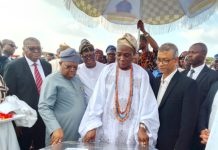
Oba Saka Matemilola, the Olowu of Owu, called for cohesive policy frameworks to support sector growth. In response, Gbenga Komolafe highlighted 21 new upstream regulations aimed at enabling investment, strengthening local supply chains, and building technical capacity. He also announced initiatives such as cluster development for marginal oil and gas fields and Nigeria’s recent bump in production to 1.78 million barrels per day.
Farouk Ahmed stressed the central role of affordable, clean energy in realizing Nigeria’s $1 trillion economy goal by 2030. He cited policy clarity, integrated infrastructure, and local innovation as critical to attracting investment and expanding industrial sectors.
Minister Ekpo emphasized gas utilization, asserting that digital tools are key to optimizing the gas value chain. He outlined efforts to develop local manufacturing capacity, enforce domestic supply obligations, and strengthen workforce diversity and skills through youth and gender inclusion.
Collectively, the summit produced a united narrative: overcoming energy poverty requires not just policy, but coordinated action technology adoption, regulatory reform, and private-public collaboration. Representatives emphasized that Nigeria is poised to bridge the gap between potential and prosperity if it sustains this alignment.