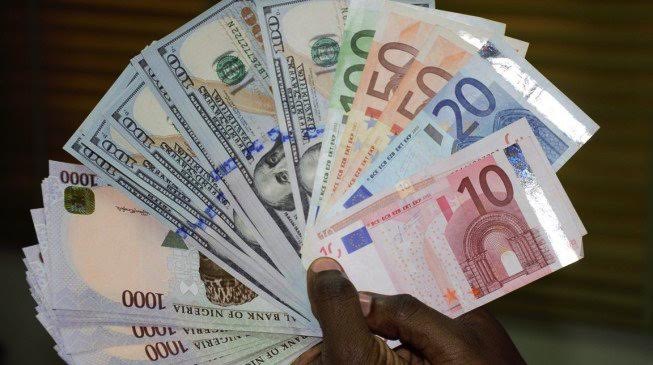








For millions of Nigerians, the frustration of checking a bank account balance only to find unexplainable deductions is a common experience. From seemingly minor transaction fees to stealthy deductions labeled vaguely as “maintenance,” the cost of banking in Nigeria is quietly piling up for the average account holder. But financial experts insist that with a few informed decisions, Nigerians can minimize or eliminate these unnecessary expenses.
Here are nine strategic ways to outsmart bank charges and keep more of your money in your account.
1. Choosing the Right Account Type Can Save You Monthly Losses
The foundation of avoiding excessive fees begins with your account type. Certain accounts are designed with salaried workers or high-volume users in mind and come with lower maintenance costs.
Recommendation:
Review account offerings from several banks, focusing on salary savings or digital-only accounts from fintech platforms like Kuda and VBank. Many of these offer zero maintenance fees and reduced service charges. Additionally, maintaining a minimum balance may exempt you from recurring charges, depending on your bank’s policy.
2. Limit Your ATM Withdrawals to Avoid Steady Charges
While ATMs are a go-to for quick cash, Nigerian banks typically allow only 3–4 free withdrawals monthly. Beyond that, fees of up to ₦35 per transaction apply.
Smart Alternatives:
Adopt a habit of withdrawing larger sums less frequently. For everyday transactions, rely more on USSD codes, which often incur fewer or no charges, especially for airtime purchases and bill payments.
3. Go Digital with Mobile Banking to Sidestep Teller Fees
Using a banking hall to complete transactions in this digital age is not only inefficient but also costly. Many banks still charge fees for over-the-counter services.
Best Practice:
Download your bank’s mobile app and become familiar with its features. Consolidate payments into fewer transactions to reduce charges. Also, look out for in-app transfer promos, especially during off-peak periods.
4. Cut Down SMS Alert Charges by Opting for Email Notifications
Frequent SMS notifications for every transaction can accumulate to over ₦200 monthly. Though useful, these alerts come at a cost.
Cost-Saving Tip:
Switch to email alerts, which most banks offer for free. Alternatively, bundle your SMS notifications or review your account weekly using your bank’s mobile app to stay informed.
5. Keep a Close Eye on Your Monthly Statements
Unexplained charges labeled vaguely as “other fees” often go unnoticed unless monitored closely.
What You Should Do:
Make it a habit to download and review your e-statements monthly. Look for repeated deductions or hidden charges, and promptly report any suspicious activity. Customers have successfully reversed unjustified charges by filing timely complaints.
6. Reduce Costs on Inter-Bank Transfers
Sending money across different banks—such as from GTBank to Access Bank or Zenith to UBA—usually attracts fees ranging from ₦10 to ₦50 per transaction.
Pro-Tip:
Limit inter-bank transfers by consolidating your transactions within a primary bank. Fintech platforms such as Opay, Palmpay, and Kuda also offer free or low-cost transfers that can significantly cut your monthly expenses.
7. Avoid the Banking Hall—It’s a Hidden Cost Trap
In-person teller services are not only time-consuming but often come with unannounced fees.
Modern Options:
Take advantage of ATM deposit functions or mobile cheque deposits if available. Use banking apps or POS machines for bill payments instead of visiting the bank physically. These alternatives save both time and money.
8. Stamp Duty on Deposits—Here’s How to Work Around It
Any current account deposit above ₦10,000 attracts a mandatory ₦50 stamp duty charge. While this is a Central Bank of Nigeria (CBN) directive, informed customers can still manage their transaction patterns to avoid frequent charges.
Tactical Tip:
Use savings accounts where possible, as they’re exempt from stamp duty. When making personal deposits, keep them below the ₦10,000 threshold if practical. For business operations, aim for fewer but more efficient transactions to reduce the cumulative impact.
9. High-Volume Users Can Negotiate for Better Terms
If you’re a business owner, freelancer, or vendor handling regular large-scale transactions, you might qualify for a customized account plan with flat-rate fees.
What You Can Do:
Discuss options with your bank’s customer service manager or relationship officer. Ask specifically about professional or SME-tailored accounts that reduce per-transaction costs.
Bonus Tip: Stay Informed About CBN Policies and Bank Promotions
Changes in banking regulations and promotional fee waivers can significantly impact how much you spend on transactions.
Stay Updated:
Follow your bank’s official social media pages or subscribe to their newsletters. Also, visit the CBN’s website (cbn.gov.ng) regularly to stay abreast of policy changes affecting banking fees.
Conclusion
Avoiding bank charges in Nigeria doesn’t require expert-level finance knowledge. Simple steps like monitoring your account, switching alert types, using mobile apps, and asking the right questions can result in noticeable savings over time.
In a country where every naira counts, being intentional about your banking habits could mean more financial security, less stress, and greater control over your income.