






By Boluwatife Oshadiya | June 1, 2026
Key Points
- At least 11 political parties have unveiled presidential candidates ahead of the January 16, 2027 general election
- President Bola Tinubu has secured the APC ticket and is seeking a second term in office
- Internal divisions within the PDP, ADC and SDP have produced multiple factional candidates
Main Story
Nigeria’s political landscape is beginning to take shape ahead of the January 16, 2027 presidential election, with at least 11 political parties already presenting candidates for the country’s highest office.
The emerging field reflects a highly fragmented political environment, particularly among opposition parties where leadership disputes and factional alignments have resulted in multiple candidates claiming legitimacy under the same party platforms.
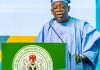
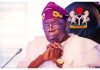
President Bola Ahmed Tinubu has secured the ticket of the All Progressives Congress and will seek a second term after winning the 2023 presidential election. Tinubu previously served as governor of Lagos State between 1999 and 2007 and remains one of the most influential figures in Nigerian politics.
Within the fractured Peoples Democratic Party, Senator Sandy Onor emerged from a faction aligned with former Rivers State governor Nyesom Wike, while another faction led by Kabiru Tanimu Turaki named former President Goodluck Jonathan as its candidate.
The African Democratic Congress has also produced multiple contenders. Former Vice President Atiku Abubakar emerged from a faction associated with former Senate President David Mark, while Dumebi Kachikwu and Chris Uba are linked to rival party factions.
Other notable contenders include Omoyele Sowore of the African Action Congress, Adewole Adebayo of the SDP, former Anambra State governor Peter Obi of the NDC, and Oyo State Governor Seyi Makinde, who has emerged as the candidate of the APM.
Additional candidates include Aliyu Bin Abbas of the ADP, Chibuzo Okereke of the Labour Party, Gbenga Olawepo-Hashim of Accord Party, and former Cross River governor Donald Duke of the PRP.
What’s Being Said
“Nigeria’s democracy is strengthened when citizens are presented with multiple choices and competing visions for governance,” political analyst Jide Ojo has previously argued while assessing Nigeria’s evolving multi-party system.
“The major challenge for opposition parties remains coalition-building and internal cohesion ahead of a national election,” according to observations from several electoral analysts monitoring preparations for 2027.
What’s Next
- Political parties are expected to resolve ongoing leadership disputes and legal battles surrounding factional structures
- INEC is expected to release additional guidelines and timelines as preparations for the 2027 election intensify
- Parties will begin nationwide campaigns, coalition discussions and vice-presidential consultations in the coming months
Bottom Line
The Bottom Line: While the list of declared candidates continues to grow, the biggest story ahead of 2027 may not be the number of contenders but the ability of opposition parties to overcome internal divisions. A fragmented opposition could strengthen the incumbent’s re-election prospects unless major alliances emerge before the campaign season reaches full momentum.