






By Emmanuella Opara | November 10th 2026
KEY POINTS
- WIMAFRICA wants more women to influence business decisions, trade and the allocation of economic resources.
- Limited access to finance, infrastructure gaps and land ownership restrictions remain major barriers to women-owned businesses.
- The organisation is using its maiden African economic forum to connect women entrepreneurs with international trade and investment opportunities.
MAIN STORY
Women in Management Africa has called for improved access to finance, markets and economic decision-making for African women, saying these are necessary to expand women-owned businesses and increase their influence in the continent’s economy.
The call comes as the organisation hosts the maiden African edition of the Women in Management global economic forum in Lagos from November 10 to 11, 2026, under the theme, “The Power Shift: Women Driving Africa’s Global Economic Influence.”
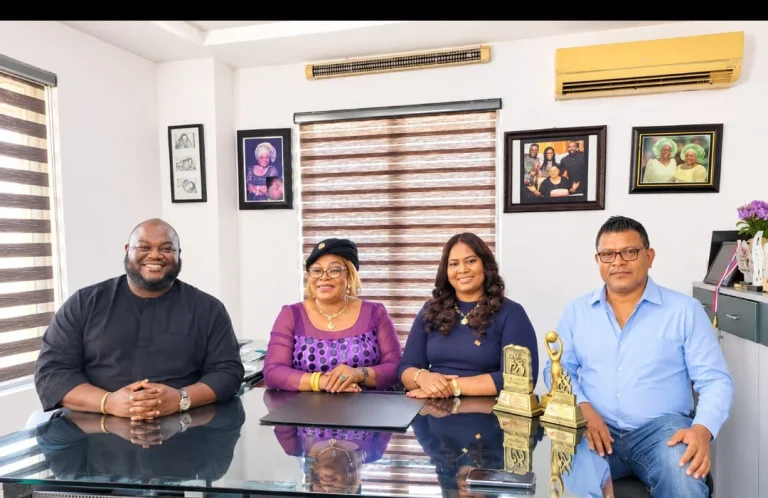
Speaking at a press briefing ahead of the conference, WIMAFRICA Chairperson, Dr Ngozi Oyewole, said the organisation wanted women to move beyond participating in economic activities to taking positions where they could influence business decisions, trade and resource allocation.
Oyewole, who is also Vice Chairman of the Industrial Training Fund and founder of Commonwealth Business Women Africa, said women already contribute to manufacturing, agriculture, trade and entrepreneurship but face limited access to capital, markets and decision-making platforms.
She said the conference would examine opportunities under the African Continental Free Trade Area, particularly in local manufacturing, backward integration and the development of African supply chains.
Oyewole argued that women-owned businesses needed greater involvement in manufacturing and investment rather than remaining largely concentrated in trading and other economic activities.
She identified inadequate financing, poor infrastructure, limited knowledge of AfCFTA procedures, cultural restrictions and challenges relating to land ownership as obstacles to women’s economic advancement.
According to her, some women-owned businesses struggle to fulfil confirmed orders because they lack the working capital required to purchase raw materials, pay workers and cover production expenses before receiving payment from customers.
She called on financial institutions to develop financing arrangements that reflect the operational requirements of women-owned enterprises, particularly manufacturers and small businesses.
She also urged government agencies and corporate organisations to expand procurement opportunities for qualified women-owned businesses and ensure prompt payment for completed contracts.
Oyewole said the effectiveness of government policies on women’s economic inclusion should be measured by the number of women-owned businesses awarded contracts and the time taken to pay them.
On continental trade, she noted that many women entrepreneurs lacked practical knowledge of AfCFTA rules of origin, documentation requirements and procedures for accessing markets across Africa. She called for targeted education and institutional support to help them take advantage of the agreement.
She also linked poor roads and unreliable electricity to higher operating costs and post-harvest losses among women in agriculture and rural businesses, particularly those trading in perishable goods.
Oyewole said better rural infrastructure would lower production and distribution costs, improve profitability and make locally produced food more affordable.
She further called for stronger protection of women’s property rights, noting that cultural practices in some communities continued to restrict their access to land and other productive assets.
The founder and Chairperson of Women in Management, Dr Sulochana Segera, said bringing the global platform to Africa was intended to connect African women with international business, trade and investment opportunities.
Segera, who founded the organisation in Sri Lanka 16 years ago, said its network had expanded to 29 countries, providing opportunities for women to collaborate, exchange expertise and establish cross-border business relationships.
She said the partnership with Oyewole would also provide a platform to showcase African women through the WIM Top 50 recognition programme and highlight their contributions to economic development.
Segera added that the initiative would recognise women’s talents, resilience, innovations and achievements beyond their professional positions and titles.
She described the Lagos conference as more than an awards ceremony, saying its broader objective was to facilitate business partnerships, investment, trade and long-term economic cooperation.
She disclosed that some international award recipients had already established connections with African women, including through the introduction of artificial intelligence platforms and business solutions across the continent.
Segera also urged financial institutions to assess women entrepreneurs based on their business potential and capacity rather than assumptions about their traditional economic roles.
THE ISSUES
The challenges identified by WIMAFRICA extend beyond access to loans. Women-owned businesses also face difficulties securing working capital, entering procurement supply chains, understanding cross-border trade requirements and accessing the infrastructure needed to produce and distribute goods.
These constraints can limit the ability of businesses to move from small-scale trading into manufacturing and larger commercial operations. Restrictions on land ownership further affect women’s ability to access productive assets.
WHAT’S BEING SAID
“The power shift is about where women make decisions, especially economic decisions as they affect them. African women are already holding up local markets and participating in different trades. What we are doing is amplifying what they have been doing and ensuring that they take the right decisions about what they produce and how they utilise their productive capacities,” Dr Ngozi Oyewole, Chairperson of WIMAFRICA, said.
“I think only women can change the world. Not that we are putting the men out, but women are the change makers because, at the end of the day, women are the creators,” Dr Sulochana Segera, Founder and Chairperson of Women in Management, said.
WHAT’S NEXT
The two-day Lagos forum is expected to provide a platform for women leaders, entrepreneurs and business executives to explore partnerships and opportunities in trade, investment and technology. The WIM Top 50 recognition programme will also showcase the contributions of women to economic development.
BOTTOM LINE
WIMAFRICA is calling for a shift from simply encouraging women’s participation in business to addressing the financing, infrastructure, market access and policy barriers that limit their ability to build and expand competitive enterprises.