







KEY POINTS
- China’s trade surplus reached $1.04 trillion in the first 10 months of the year, crossing the $1 trillion mark for a second consecutive year.
- Exports rose 35.2% year on year in October, supported by global demand for technology products used in AI infrastructure.
- Weak consumer spending and a prolonged property downturn continue to weigh on China’s domestic economy.
- The growing surplus could intensify trade tensions with the European Union and other trading partners in 2027.
MAIN STORY
China’s trade surplus climbed to $1.04 trillion in the first 10 months of the year as demand for technology products used in artificial intelligence infrastructure boosted exports and helped offset weak spending at home.
Customs data released on Tuesday showed that exports increased by 35.2% in October compared with the same period last year, slightly below September’s 36.3% growth but above economists’ forecast of 33.5%.
The strong export performance pushed China’s trade surplus beyond $1 trillion for the second consecutive year, reaching the milestone a month earlier than it did in 2025.
The figures underline the growing importance of overseas markets to China’s economy as weak consumer demand and a prolonged property sector downturn continue to limit domestic growth.
A significant share of export growth has come from the global expansion of artificial intelligence infrastructure, which has increased demand for technology products manufactured in China. Analysts expect this demand to remain strong into 2027, although the outlook depends on how long the global AI investment boom continues.
Imports also recorded strong growth, rising 41.6% in October, compared with 31% in September. The increase exceeded the median forecast of 32% in a Reuters poll.
However, China’s growing trade surplus could deepen disagreements with major trading partners, particularly the European Union, where leaders have called for additional restrictions on Chinese imports.
Beijing and the EU have reached an agreement to limit Chinese hybrid vehicle exports to the bloc over the coming years. The measures have yet to take effect, creating an incentive for manufacturers to accelerate shipments before the restrictions begin.
China has also extended its trade truce with the United States by two months, postponing its expiry from November 10. However, Beijing has said that further purchases of US agricultural products will depend on the implementation of an agreed arrangement to reduce reciprocal tariffs.
Joe Peissel, lead macroeconomist at Trivium China, said the risk of additional tariffs and other trade barriers would remain high in 2027 as Chinese manufacturers expanded their overseas presence.
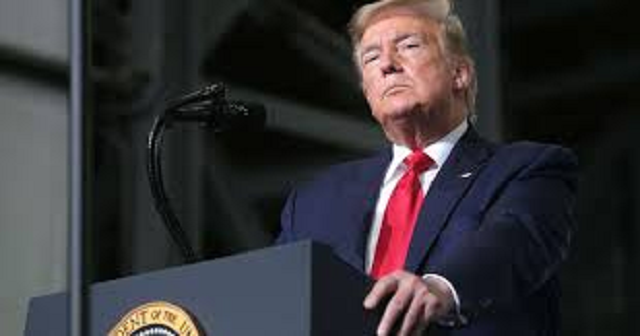
The trade figures come ahead of next week’s Asia-Pacific Economic Cooperation summit in Shenzhen, where Chinese President Xi Jinping and US President Donald Trump are expected to meet for the third time this year.
THE ISSUES
China’s record trade surplus reflects an imbalance between what its economy produces and what its domestic market absorbs.
A trade surplus occurs when a country exports more goods and services than it imports. While this can generate foreign income and support industrial production, a very large surplus can also indicate that manufacturers are relying heavily on overseas buyers because domestic consumers are not spending enough.
That is a concern for Beijing. The property downturn has reduced household wealth and weakened confidence, making consumers more cautious about spending. When demand at home is weak, manufacturers must find other markets to sell their products and maintain production.
The automotive sector illustrates this pressure. Chinese car exports continued to grow in October, while domestic vehicle sales recorded their 12th consecutive month of decline, according to separate industry data.
The dependence on foreign markets creates another risk. If demand in major economies weakens or governments introduce tariffs and import restrictions, Chinese manufacturers could lose access to customers they increasingly depend on. This could affect factory output, employment and economic growth.
The AI boom has provided an important source of demand for Chinese technology exports, but it also creates uncertainty. If investment in data centres and other AI infrastructure slows, demand for the products supporting that expansion could weaken.
For China’s trading partners, the growing surplus raises concerns about competition from Chinese manufacturers. European producers, particularly in sectors such as automobiles, may face greater pressure when Chinese companies expand their market share. This could lead to more trade investigations, tariffs and restrictions.
For Nigeria and other emerging markets, China’s export strength has implications for the cost and availability of imported manufactured goods. Stronger Chinese production and overseas sales can increase the supply of products in international markets, but trade restrictions elsewhere could also redirect Chinese goods towards alternative destinations, potentially increasing competition for local manufacturers.
WHAT’S NEXT
The next major test will be whether global demand for AI-related technology products remains strong enough to sustain China’s export growth into 2027.
The expected meeting between Xi and Trump at the APEC summit will also be important for trade relations between the two economies, particularly following the extension of their trade truce.
Meanwhile, the European Union’s planned restrictions on Chinese hybrid vehicle exports could create further friction as manufacturers adjust shipments ahead of their implementation.
BOTTOM LINE
China’s $1.04 trillion trade surplus shows how strongly its economy is relying on overseas demand to compensate for weak domestic spending. The AI investment boom is supporting exports for now, but growing trade barriers and the possibility of slower global demand could make that strategy harder to sustain.
Reuters