Wealth preservation is no longer limited to protecting money, property, or investments. In a more uncertain environment, entrepreneurs also need to maintain the freedom to move, act quickly, and keep both business and family plans on track.
This is why tools such as citizenship by investment are increasingly seen as part of a broader strategy, which help entrepreneurs maintain flexibility and reliable access across borders.
What are the new priorities for Nigerians?
Wealth preservation once focused on assets. Investors diversified portfolios, chose stable markets, and planned inheritance. Today, they also consider how easily they can act, move, and adapt across borders, and prioritise the following:
- Access to markets and opportunities. Business growth depends on entering the right markets and building relationships in person. Without reliable access, expansion can be limited from the start.
- Ability to travel when needed. Execution depends on speed. Entrepreneurs often need to travel at short notice, and delays can slow decisions and reduce competitiveness.
- Jurisdictional flexibility for family and assets. Wealth is increasingly structured across countries, which helps entrepreneurs manage business and family interests more effectively.
- Continuity in changing conditions. When regulations or markets shift, access to multiple jurisdictions helps maintain stability.
- More than one option for the future. Keeping options open allows entrepreneurs to adapt business and family plans over time.
Why this matters for Nigerian entrepreneurs
For many Nigerian entrepreneurs business activity is already international. Companies operate across multiple markets, manage regional supply chains, and build partnerships in different jurisdictions. In this context, mobility becomes a practical requirement rather than a strategic advantage.
The main issue is not only access, but predictability. When travel depends on visas and administrative processes, it becomes harder to plan meetings, respond to opportunities, or manage cross-border operations efficiently.
Limited mobility also increases operational risk. Delays can affect negotiations, slow down expansion, and create uncertainty in business planning. Over time, this reduces flexibility and makes it harder to compete in fast-moving markets.
At the same time, family planning is becoming more international. Decisions about education, relocation, and long-term residence require stability and access across countries. Without mobility, these plans become harder to manage.
As a result, dependence on a single jurisdiction creates concentration risk. When entrepreneurs have limited ability to move, they have fewer options if conditions change. Mobility helps reduce this exposure by providing alternatives.
How citizenship by investment fits
Citizenship by investment is one of the tools that can support international mobility. It is not a standalone solution, but it can play a role within a broader strategy.
By obtaining a second citizenship, entrepreneurs can gain more predictable access to international travel, which reduces uncertainty and makes it easier to plan business activities across different countries. Meetings, partnerships, and expansion plans can be organised with greater confidence.
Citizenship by investment can also simplify long-term planning. Entrepreneurs are better able to structure their activities across jurisdictions when mobility is more stable. This supports both business operations and personal decisions.
Another important factor is family inclusion. Many programmes allow investors to include close family members. This ensures that mobility benefits extend beyond the main applicant and support the needs of the whole family.
However, citizenship by investment should always be viewed as part of a wider approach. It works best when combined with clear goals, proper planning, and a long-term perspective.
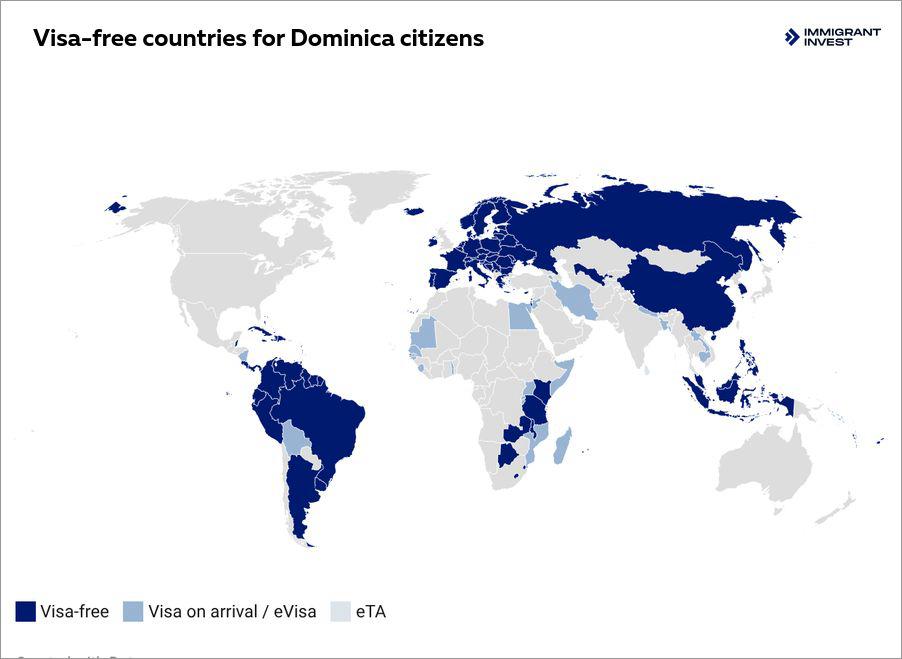
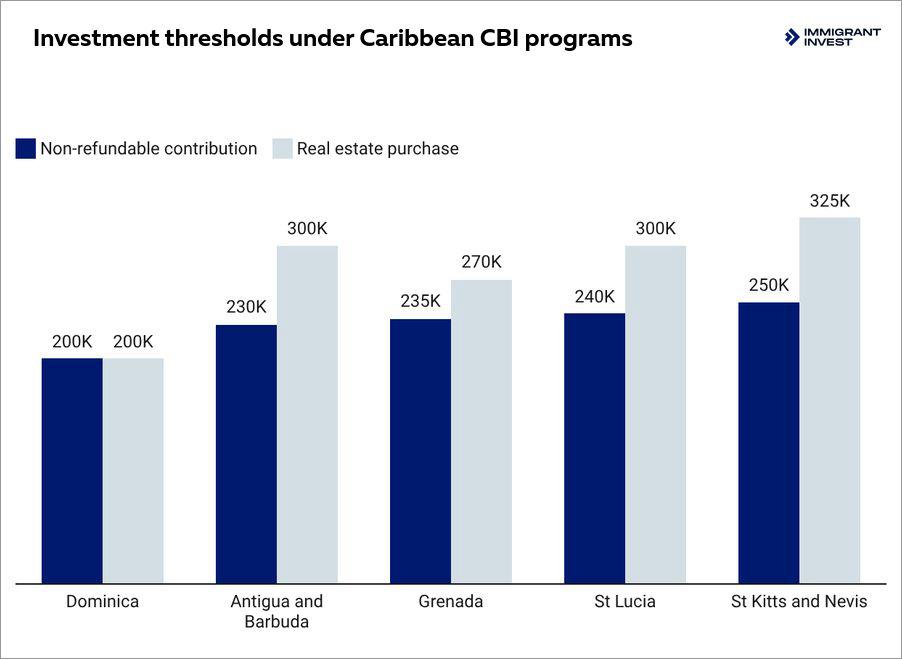
Some programmes are particularly relevant for internationally active investors. For example, Caribbean options such as Dominica citizenship by investment programme offer a direct path to a second passport with predictable timelines and family inclusion. Nigerian high-net-worth individuals often consider this type of programme when mobility and long-term flexibility become part of business planning.
Why Caribbean options draw interest
Caribbean citizenship by investment programmes often attract attention from internationally minded investors. One reason is their established track record. These programmes have been in place for many years and operate within clear legal frameworks.
Citizenship pathways are also designed with families in mind. Investors can include spouses, children, parents and sometimes other dependants, such as grandparents or siblings. This makes Caribbean citizenship suitable for long-term planning rather than short-term decisions.
Processing is generally predictable, which allows investors to plan with greater certainty. This is important for entrepreneurs who need to coordinate business and personal timelines.
Caribbean citizenship is also relevant in the context of global mobility, as these countries offer visa-free access to more than 140 destinations. For many investors, it provides a way to improve access across multiple regions. This supports international activity without requiring relocation.
For these reasons, Caribbean options are often considered part of a broader mobility strategy. They are not the only solution, but they frequently appear on the shortlist of globally active investors.
What investors should assess before obtaining second citizenship
Before making a decision, investors should take a structured approach and evaluate more than just speed or cost. A second citizenship should support broader business, mobility and family goals, not create new limitations.
1. Clear objective linked to mobility needs. Investors should define why they need a second citizenship, whether for business mobility, family planning, or long-term flexibility.
2. Programme credibility and long-term stability. It is important to choose a programme with a strong reputation and stable framework to protect long-term value.
3. Full cost structure, not just entry price. Investors should look beyond the minimum investment amount and consider all associated costs, which often include government and application fees, as well as expenses on preparation of documents.
4. Due Diligence as a measure of programme quality. Strong checks help maintain the reputation of the programme and protect its value over time.
5. Family suitability and long-term usefulness. The programme should fit the needs of the whole family and support long-term plans. Investors should also consider whether citizenship will remain relevant for business and personal goals in the future.
Conclusion
Wealth preservation today goes beyond protecting assets. It also means maintaining access, flexibility and the ability to act across borders. For Nigerian entrepreneurs, international mobility has become part of this process, helping reduce risk, respond faster to opportunities and support long-term family plans. Citizenship by investment can support this strategy when aligned with clear goals.If you are considering how to strengthen your international mobility and protect your long-term plans, you can contact Immigrant Invest for tailored guidance and support.