







Key points
- UNDP’s GEF-SGP has expanded a solar-powered cold room in Sagbokoji, Lagos.
- The upgrade aims to reduce post-harvest fish losses and improve storage capacity.
- The facility now operates entirely on solar power with battery storage and inverters.
- Stakeholders called for wider adoption of similar clean energy projects.
Main story
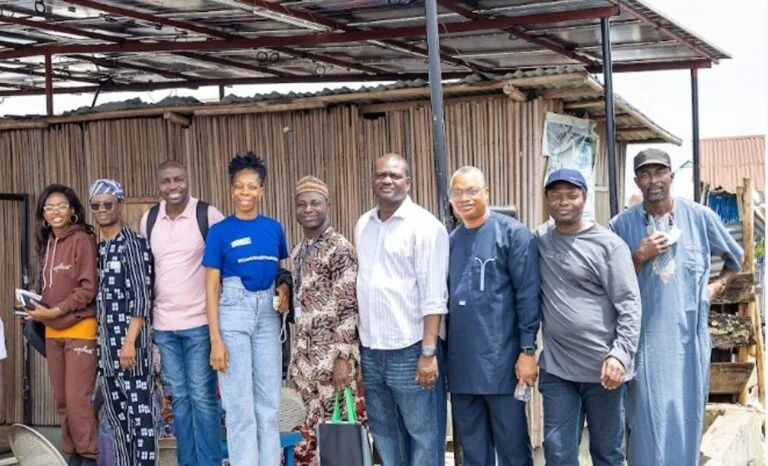
The Global Environment Facility Small Grants Programme (GEF-SGP), implemented by the United Nations Development Programme (UNDP), has expanded a solar-powered cold room in the Sagbokoji riverine community of Lagos to improve fish preservation and reduce post-harvest losses.
The upgraded facility adds a three-horsepower solar-powered cooling system to the solar energy infrastructure previously installed in the community, allowing fish processors to preserve larger quantities of fish without relying on conventional energy sources.
Speaking at the inauguration, GEF-SGP Programme Assistant, Rose Agbo, said the upgrade was carried out in response to requests from women fish processors, who said the existing freezers could no longer meet growing demand.
She explained that the cold room now operates entirely on solar energy supported by battery storage and inverter systems, making it more reliable for the community’s fishing activities.
Agbo added that the GEF-SGP currently supports more than 200 community-based environmental and livelihood projects across more than 30 states in Nigeria.
Chairman of the Nigeria Energy Forum, Daniel Adeuyi, described the project as an example of how renewable energy solutions could address practical challenges in underserved communities.
He said the upgraded facility would strengthen the community’s cold chain, improve fish preservation and support sustainable livelihoods, while calling for stronger collaboration among communities, development partners and project developers.
Co-Chair of the Nigeria Energy Forum, Adekunle Makinde, expressed satisfaction with the community’s adoption of the facility and urged beneficiaries to maintain it properly to ensure its long-term sustainability.
President of the Nigerian Institute of Electrical and Electronic Engineers, Felix Adeboye, encouraged governments, development partners and philanthropists to replicate similar interventions in other communities lacking reliable electricity.
Speaking on behalf of the beneficiaries, Fish Sellers Association leader, Jiselle Azankpo, thanked GEF-SGP and its partners for expanding the facility, saying the upgraded cold room had been tested and was already operating effectively.
The issues
Limited access to reliable electricity and cold storage contributes significantly to post-harvest losses in Nigeria’s fisheries sector. Renewable energy-powered cold chain infrastructure is increasingly being promoted as a sustainable solution for preserving food, improving incomes and reducing dependence on fossil fuels.
What’s being said
“The upgraded facility will strengthen the community’s cold chain, reduce post-harvest losses and promote sustainable livelihoods.” — Daniel Adeuyi, Chairman, Nigeria Energy Forum
What’s next
The expanded facility is expected to improve fish preservation in Sagbokoji while serving as a model for similar renewable energy-powered cold storage projects in other riverine and off-grid communities.
Bottom line
The expansion of the solar-powered cold room demonstrates how renewable energy can strengthen rural livelihoods by improving food preservation, reducing waste and supporting sustainable economic activities.









, implemented by the United Nations Development Programme (UNDP), ...)