








Key points
- Uganda has approved $13 million for emergency measures ahead of an expected July dry spell.
- The funds will support food relief and other interventions in vulnerable communities.
- Government warned that above-average temperatures could threaten agriculture, water supply and public health.
- Authorities urged residents to conserve water and adopt irrigation where possible.
Main story
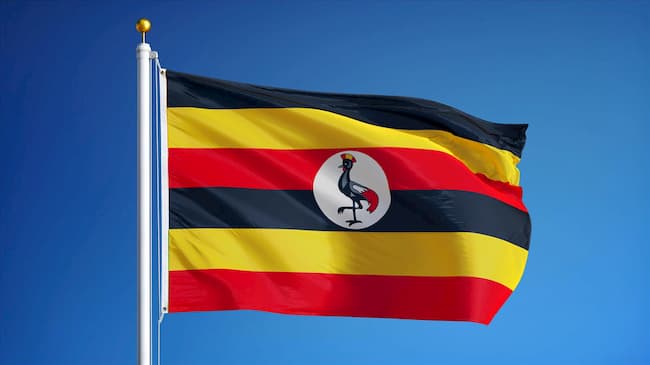
The Ugandan government has approved $13 million (50 billion Ugandan shillings) from its contingency fund to cushion the impact of the prolonged dry conditions forecast for July.
The funding, approved by the cabinet, will finance emergency food distribution and other response measures in areas expected to be most affected by the harsh weather.
Minister of ICT and National Guidance, Justine Kasule Lumumba, said forecasts indicated that July temperatures would remain above average, increasing pressure on livelihoods, agriculture and the country’s economy.
She attributed the weather outlook to the ongoing El Niño phenomenon affecting the equatorial, central and eastern Pacific Ocean.
According to Lumumba, the anticipated dry conditions could reduce crop yields, worsen food insecurity, strain water resources and increase the incidence of heat-related illnesses, waterborne diseases and malnutrition.
She added that prolonged drought could also reduce household incomes, trigger conflicts over limited water and grazing resources, and contribute to higher food prices.
Lumumba disclosed that food supplies had already been mobilised through the Office of the Prime Minister for distribution to the Karamoja region in northeastern Uganda, which is expected to experience the most severe impact of the dry spell.
She urged residents to conserve water, make use of supplementary irrigation where available and manage available food supplies prudently.
The issues
Extreme weather events continue to threaten food production and livelihoods across East Africa. Governments are increasingly investing in emergency response measures and climate adaptation strategies to reduce the impact of prolonged droughts on vulnerable communities.
What’s being said
“The prolonged dry conditions can also reduce household incomes, fuel conflicts over scarce water and pasture, and drive up food prices.” — Justine Kasule Lumumba, Uganda’s Minister of ICT and National Guidance
What’s next
Ugandan authorities are expected to begin distributing relief materials to affected communities while monitoring weather conditions and coordinating additional interventions if the dry spell persists.
Bottom line
Uganda’s emergency funding reflects growing efforts by governments to respond proactively to climate-related risks and protect vulnerable communities from the economic and humanitarian impacts of prolonged drought.






 from its contingency fund to cushion the impact of the ...)