







By Boluwatife Oshadiya | March 27, 2026
Key Points
- U.S. Treasury to print $100 bills bearing Donald Trump’s signature starting June
- Redesign removes U.S. Treasurer’s signature for first time since 1861
- Move aligns with America’s 250th independence anniversary and broader Trump-era branding push
Main Story
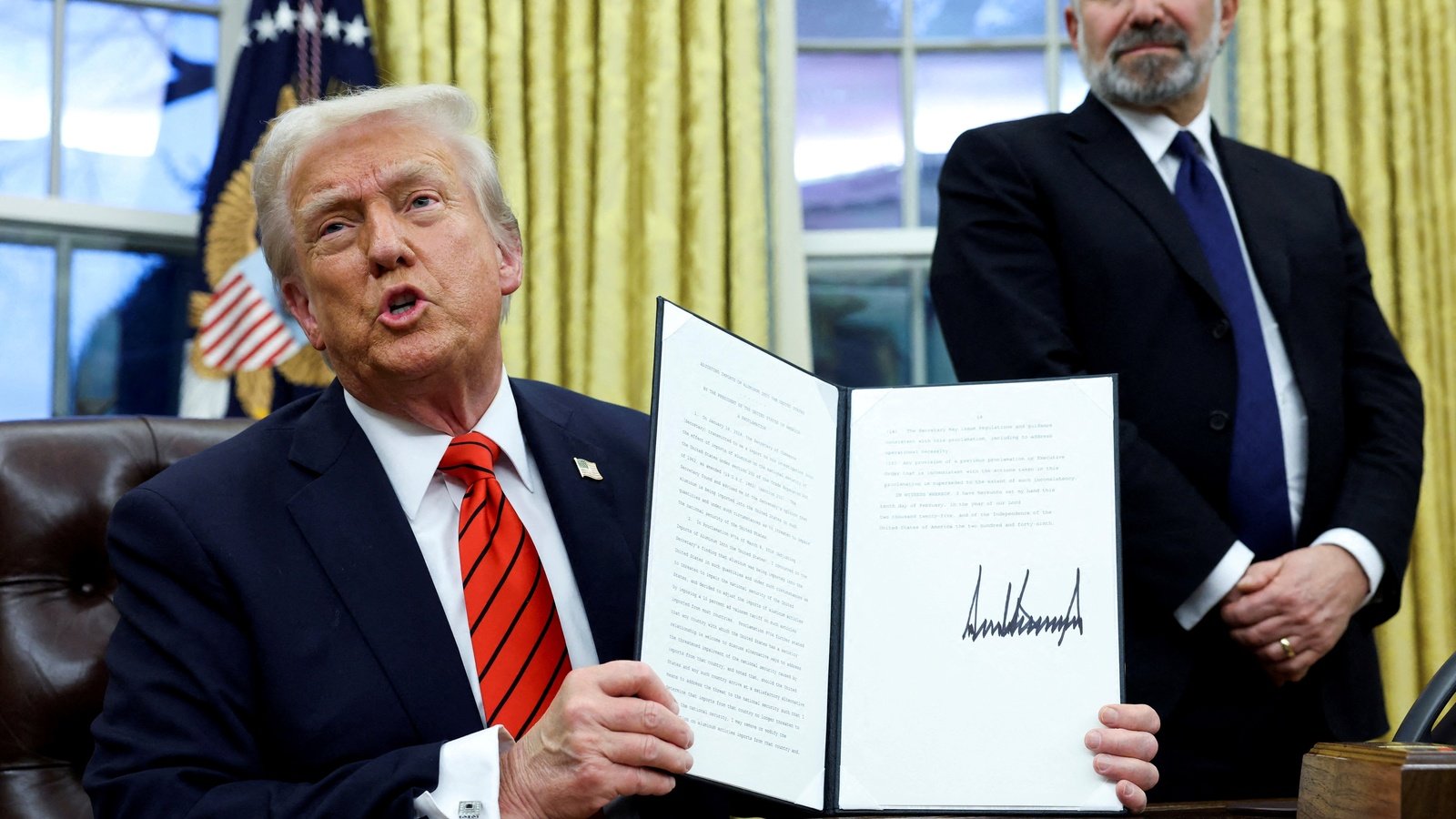
The U.S. government will begin issuing redesigned dollar notes featuring the signature of President Donald Trump, marking a historic shift in currency design policy, the United States Department of the Treasury confirmed on Thursday.
The first batch of $100 bills—traditionally the most circulated high-value denomination globally—will enter production in June, carrying both Trump’s signature and that of Treasury Secretary Scott Bessent. Officials say the new notes could take several weeks to reach banking systems and public circulation.
The redesign coincides with preparations for the United States’ 250th anniversary of independence, a milestone the administration has framed as a moment to reflect national achievements and economic strength. Treasury authorities noted that while signatures will change, the overall visual design of the dollar—including portraits and core inscriptions—will remain intact to comply with federal currency laws.
Notably, the change eliminates the long-standing inclusion of the U.S. Treasurer’s signature, ending a continuous practice dating back to 1861 when the federal government first issued paper currency. Current production still includes notes signed by former Treasury Secretary Janet Yellen and former Treasurer Lynn Malerba, who will be the last official in that role to appear on U.S. money.
The move is part of a broader pattern under Trump’s administration to embed presidential identity into national symbols, including infrastructure, commemorative coins, and federal programs.
What’s Being Said
“There is no more powerful way to recognize the historic achievements of our great country and President Donald J. Trump than U.S. dollar bills bearing his name,” said Scott Bessent, US Treasury Secretary.
“This is a powerful symbol of American resilience and the promise of continued greatness,” said Jovita Carranza, former U.S. Treasurer.
Independent analysts, however, note the move breaks with institutional precedent. Some policy observers argue that while legally permissible, it introduces a more personalised dimension into what has historically been a neutral financial instrument.
What’s Next
- The Bureau of Engraving and Printing is expected to complete initial production runs by June 2026
- Distribution through Federal Reserve channels will begin within weeks of printing
- Additional denominations beyond the $100 bill are scheduled for phased rollout later in 2026
- Regulatory scrutiny may increase as lawmakers and policy experts assess long-term implications of the design change
The Bottom Line:
The decision to place a sitting president’s signature on U.S. currency marks a clear departure from institutional tradition, signalling a shift toward personalised state symbolism. While framed as a commemorative move, it also reinforces the Trump administration’s broader strategy of embedding executive identity into national economic and cultural assets.