






KEY POINTS
- Tinubu says Nigeria must adapt to global economic changes to achieve its $1tn economy ambition by 2030.
- He identifies policy stability, infrastructure, local production and export diversification as priorities.
- CIoD Nigeria says directors must improve capital allocation, risk management and corporate accountability.
MAIN STORY
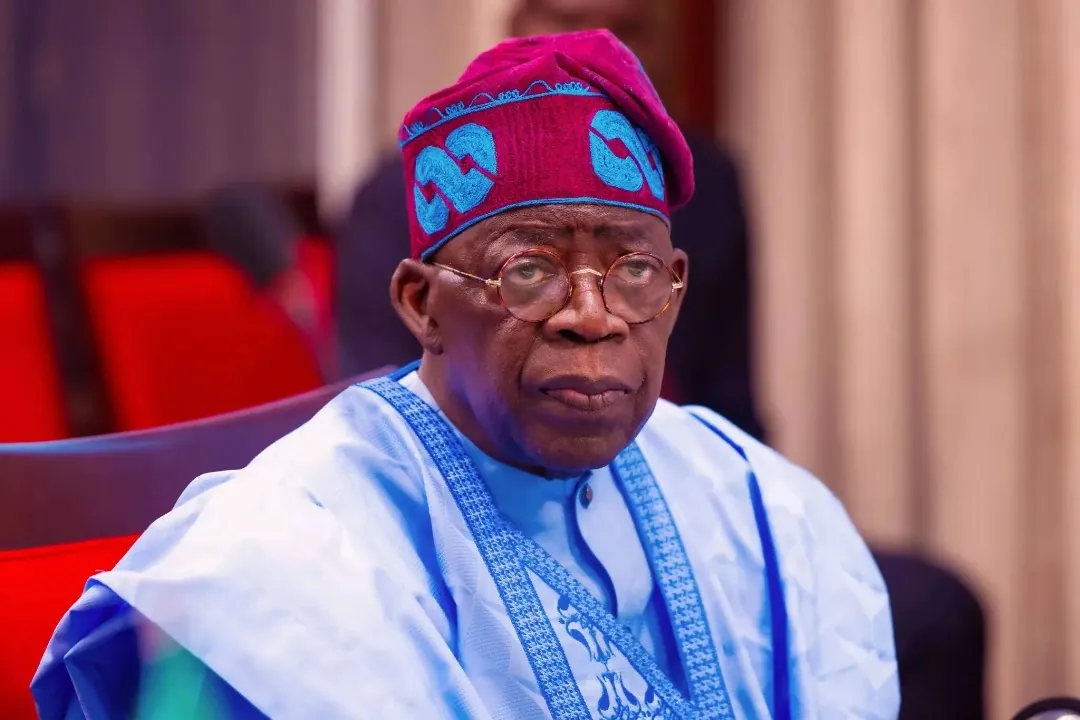
President Bola Tinubu has urged Nigerian businesses and public institutions to strengthen corporate governance and position the country to compete in a changing global economy as the Federal Government pursues its $1 trillion economy target by 2030.
Tinubu made the call on Tuesday in Lagos at the 2026 annual Directors Conference of the Chartered Institute of Directors Nigeria (CIoD), with the theme, “Re-imagining the Boardroom for Inclusive and Sustainable National Prosperity in the New Economy”.
Represented by Prof. Tunji Olaopa, Chairman of the Federal Civil Service Commission, the President said global supply chains, digital technology, trade tensions, climate risks and changing capital flows were reshaping how businesses and investors made decisions.
He said Nigeria must respond by improving macroeconomic stability and policy predictability, developing energy and transport infrastructure, increasing local value addition and diversifying exports.
“We do not intend for Nigeria merely to absorb the consequences of global change. We intend to compete, innovate and shape opportunities it creates,” he said.
Tinubu also urged Nigeria to take advantage of the African Continental Free Trade Area (AfCFTA) to connect local producers with wider markets and equip workers with skills required by emerging industries.
He said the country’s economic ambition would require stronger cooperation between government and businesses, adding that investors considered the quality of institutions and governance when deciding where to commit capital.
According to him, strong corporate governance reduces business risks, improves investor confidence, strengthens access to capital and supports long-term organisational performance.
He warned that weak oversight, conflicts of interest and poor accountability could undermine otherwise promising businesses.
The President urged directors in both public and private organisations to uphold integrity, transparency and professionalism, while ensuring that boards properly scrutinised management decisions and protected organisational assets.
He also called for improved governance in government institutions and state-owned enterprises, saying public resources must be managed responsibly and leadership performance measured against clear results.
THE ISSUES
Nigeria’s $1 trillion economy ambition is not just a question of how much the government spends or how many businesses operate in the country. It also depends on whether companies can attract investment, manage risks, expand production and compete in larger markets.
Corporate governance affects these outcomes because it determines how organisations make decisions and account for the money and resources entrusted to them.
For an investor considering a Nigerian company, for example, the availability of a profitable business opportunity may not be enough. The investor also needs confidence that company directors will supervise management properly, disclose relevant information and prevent conflicts of interest from damaging the business.
The same principle applies to public institutions and state-owned enterprises. Poor oversight can lead to waste, weak performance and losses that ultimately affect public resources.
Tinubu’s emphasis on infrastructure and policy predictability also points to challenges that individual company boards cannot resolve on their own. Businesses need reliable electricity, transport networks, consistent regulations and access to finance to expand production.
The AfCFTA presents another opportunity, but access to a larger African market does not automatically make Nigerian products competitive. Local businesses must be able to produce at the right cost, meet market requirements and deliver consistently.
WHAT’S BEING SAID
“We do not intend for Nigeria merely to absorb the consequences of global change. We intend to compete, innovate and shape opportunities it creates.” – Bola Tinubu, President of Nigeria.
“The stability of organisations affected employees, investors, suppliers and host communities, making it necessary for boards to consider these interests alongside financial sustainability.” – George Akume, Secretary to the Government of the Federation.
WHAT’S NEXT
The President of CIoD Nigeria, Mr Adetunji Oyebanji, said achieving the $1 trillion economy target would require faster economic growth and more than fiscal policy interventions.
He said directors had a role in ensuring productive capital allocation, encouraging enterprise, managing risks and creating lasting economic value.
Oyebanji also stressed the importance of strengthening small businesses through sound governance, access to capital and wider market opportunities.
Other speakers called for boards to adapt to artificial intelligence, changing business models, climate risks and geopolitical uncertainty.
Emmanuel Ocholi, Chairman of Charterhouse Capital Plc, urged directors to challenge management assumptions and rely on credible information when making strategic decisions.
Sen. Udoma Udo Udoma, Chairman of Seplat Energy, called for stronger integration of environmental, social and governance principles, more diverse boards and greater attention to corporate social responsibility.
BOTTOM LINE
Tinubu’s message places corporate governance alongside infrastructure, policy stability and local production as conditions for Nigeria’s economic growth. Achieving the $1 trillion target will depend on whether these priorities translate into better-run institutions, stronger businesses and increased productive investment.