






By Boluwatife Oshadiya | April 6, 2026
Key Points
- Tinubu approves ₦3.3 trillion settlement of decade-long power sector debts
- 15 GenCos sign ₦2.3 trillion agreements as initial phase begins
- Government disburses ₦223 billion to improve liquidity and power supply
Main Story
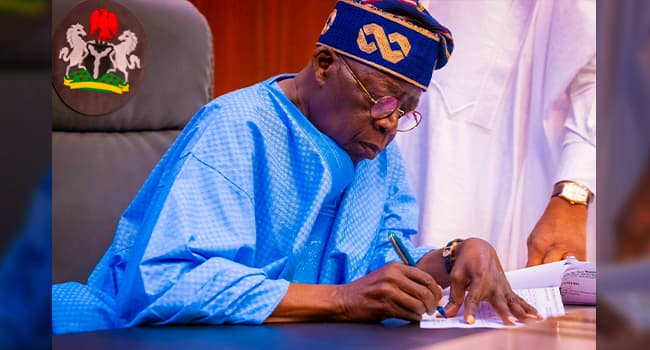
President Bola Tinubu has approved a ₦3.3 trillion payment plan to settle long-standing debts across Nigeria’s electricity value chain, marking a major intervention aimed at stabilising the country’s struggling power sector.
The approval follows a final verification of liabilities accumulated between 2015 and 2025 under the Presidential Power Sector Financial Reforms Programme, according to a statement issued by Presidential spokesperson Bayo Onanuga.
Of the total amount, 15 power generation companies (GenCos) have already signed settlement agreements valued at ₦2.3 trillion. The Federal Government has raised ₦501 billion for the initial phase, with ₦223 billion already disbursed.
The intervention is designed to address chronic liquidity constraints that have hindered electricity generation, gas supply payments, and overall sector efficiency for over a decade.
“This programme is not just about settling legacy debts; it is about restoring confidence across the power sector and ensuring the system works more reliably,” said Olu Arowolo-Verheijen, Special Adviser to the President on Energy.
The Presidency said improved cash flow would enable power plants to sustain operations, settle obligations to gas suppliers, and ultimately enhance electricity supply reliability for households and businesses.
What’s Being Said
“With improved funding, power plants can maintain operations and deliver more stable electricity nationwide,” said Bayo Onanuga, Presidential Spokesperson.
“Ensuring gas suppliers are paid is critical to keeping the generation cycle running efficiently,” said Olu Arowolo-Verheijen, Special Adviser on Energy.
Independent energy analysts note that Nigeria’s power sector debt crisis—estimated to have exceeded ₦4 trillion before reconciliation—has been a key barrier to private investment and operational stability.
What’s Next
- The Federal Government will commence Series II of the programme within the current quarter
- Additional disbursements are expected as more GenCos finalise agreements
- Broader reforms, including metering expansion and service-based tariffs, are set for phased implementation
Bottom Line
The Bottom Line: Tinubu’s ₦3.3 trillion intervention addresses one of the power sector’s most critical structural bottlenecks—liquidity. Execution, not approval, will determine whether this translates into measurable improvements in electricity supply and investor confidence.