






KEY POINTS
- South Africa’s President Cyril Ramaphosa said the escalating conflict in the Middle East was already putting strain on the African continent’s supply chains and causing higher energy prices.
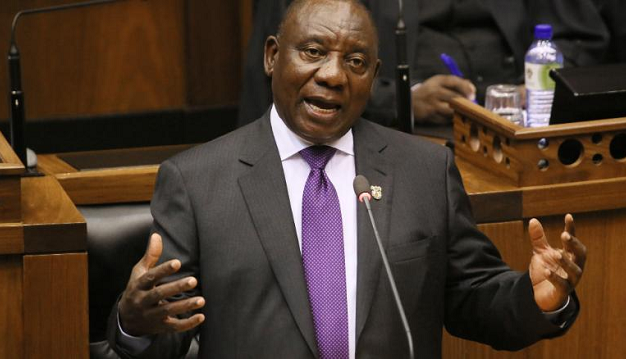
- Ramaphosa made the comments on Wednesday at an African energy conference in Cape Town, which is taking place at a time of extreme volatility on global energy markets.
- Oil and gas prices have surged following Israeli and U.S. strikes on Iran and retaliation by Tehran that forced shutdowns of oil and gas facilities across the region.
- The conflict has disrupted shipping in the crucial Strait of Hormuz, further impacting import-dependent economies.
MAIN STORY
Addressing the Africa Energy Indaba conference in Cape Town on Wednesday, South African President Cyril Ramaphosa delivered a stark assessment of the regional fallout from the ongoing Middle East hostilities. The President noted that the geopolitical instability following U.S. and Israeli strikes on Iran, and the subsequent retaliatory actions from Tehran, has directly translated into economic pressure for the African continent.
Ramaphosa highlighted that the resulting shutdowns of major oil and gas facilities, coupled with the disruption of maritime traffic in the Strait of Hormuz, have caused a significant surge in global energy prices. He emphasized that these developments have exposed the structural vulnerabilities of nations that rely heavily on imported energy and goods.
Drawing comparisons to previous global crises, the President pointed out that the current situation mirrors the supply chain disruptions experienced during the Russia-Ukraine conflict and the COVID-19 pandemic. He argued that the shifting geopolitical landscape serves as a reminder that African economies must address their dependency on external supply routes and energy sources to build long-term resilience.
WHAT’S BEING SAID
- “Africa is already experiencing the impact of the escalating conflict in the Middle East, with strains on supply chains and higher energy prices,” stated President Cyril Ramaphosa.
- “As we have seen with Russia-Ukraine and during the COVID-19 pandemic, shifting geopolitical sands underscore the vulnerabilities of import-dependent economies across Africa.”
WHAT’S NEXT
- Delegates at the African energy conference in Cape Town will continue discussions on mitigating the impact of global energy market volatility.
- Economic analysts are expected to monitor the duration of the Strait of Hormuz disruptions to forecast the long-term inflationary impact on African nations.
- African governments may review their energy import strategies in light of the renewed strain on continental supply chains.
BOTTOM LINE
The Bottom Line is that President Ramaphosa views the Middle East conflict as a direct threat to Africa’s economic stability. He insists that the current strain on supply chains and energy prices proves that the continent remains dangerously vulnerable to shifting geopolitical sands.