









Home Blog Page 584

CNN’s Decoded Explores How The Internet Of Things Is Changing The Way We Live

In a new episode of Decoded, CNN’s Anna Stewart explores the smart, connected devices that make up the Internet of Things (IoT). From ordinary household items to complicated industrial systems, smart devices are changing the way we live.

Stewart visits the Expo 2020 site in Dubai to see how smart cities are using IoT to enable more informed city planning. Helmut Von Struve, CEO of Siemens Middle East gives an example, “Artificial intelligence can say within 20 minutes, 30 minutes, there would be maybe 150 people walking in this direction. So, you can already start cooling the building down.”

IoT devices are also being used to combat climate change. In Boston, a connected forest is helping scientists study how much carbon dioxide trees take out of the atmosphere. Jackie Hatala Matthes, Senior Scientist at the Harvard Forest describes the project, “With IoT, we’re able to get really high-resolution data, high temporal resolution data, and we’re able to look at those changes in real time, which helps to feed into other global models of climate change.” One of the trees even uses IoT to tweet the data and communicate in real time what the tree is experiencing.

In Shenzhen, known as the Silicon Valley of hardware, the programme meets German entrepreneur Florian Simmendinger who has developed a modern twist on a metronome. He explains that although it’s possible to create smart devices for many tasks now, the best ones are those that fulfil a need, “If you find something meaningful that actually improves the product experience, then you know you have a real winner on your hands when it comes to an IoT product. There’s definitely a case in the IoT space of just because you can connect something doesn’t necessarily mean you should.”

At the Jebel Ali Port in Dubai, Stewart meets Ibrahim Al Najjar, Vice President IT, at DP World who demonstrates how a network of connected sensors, devices, and software all communicate to operate the smart port.

Stewart also meets the man who created the term ‘Internet of Things’. In the late 1990s, Kevin Ashton was searching for a name for his presentation on supply chain logistics, “At that time the internet was such a big buzzword. I needed to shoehorn the word internet in to like get any attention at all. and here we are now. Still talking about it. That’s the biggest surprise.”

Ashton describes what makes a good IoT device, “The thing that I look for to make it the Internet of Things is it knows something about the world without a human being telling it. I don’t really think about these voice assistants people have in their kitchen where you say you know, Alexa, add this to my shopping list. Well, in my world, Alexa would know that you needed to add it to the shopping list, it wouldn’t need you to tell it.”

The idea that everything we touch, every we move we make, can be monitored and uploaded to the cloud may seem convenient and efficient, but for some it raises concerns about regulation and trust. Stewart speaks to professional hacker Ken Munro, CEO of Pen Test Partners. He demonstrates how easy it is to hack IoT devices like a children’s doll with speech recognition and warns, “As we know, legislation often trails innovation. So I think it’s really important that we bring in some regulation to help manufacturers prioritise cybersecurity and also help protect us consumers from manufacturers who may be a bit fast and loose with security.”

The show also meets the man behind the first smart device – a Coca Cola vending machine, and visits an Amazon factory using IoT devices to be faster and more efficient.

Concordia Launches An Initiative To Establish Innovative Partnerships In Africa

Concordia Launches An Initiative To Establish Innovative Partnerships In Africa

Concordia President Graham Carr announced the launch of the Concordia Africa Initiative on June 12 at the annual Conference of Montreal, part of the International Economic Forum of the Americas. The initiative seeks to establish relationships and learn from Africa through unique collaborations that focus on youth employability and entrepreneurship.

Of all the world’s continents, Africa has the youngest population, with more than 60 per cent aged 25 or younger. By 2030, it is estimated that young Africans will constitute 42 per cent of global youth, figures that hold tremendous potential and challenges for the continent and the world’s economic growth and development.

“Concordia has placed Africa at the heart of its international relations because of the endless opportunities for innovative collaborations, as well as the chance to learn from the people and institutions across the length and breadth of this dynamic continent,” Carr explains. “Like Africa, Concordia is young, diverse and brimming with talent who will have a profound and exciting impact on the world.”

A three-pronged approach

The Concordia Africa Initiative is divided into three streams, each with a specific focus and set of activities:

  • AFRISE focuses on supporting young African entrepreneurs and providing them with a range of dedicated activities such as mentorship and business incubation, as well as access to networks of experienced business leaders.
  • FutureWise centres on collaborating with African institutions on adopting programming to reduce the gap between graduation and employment rates in Africa through cooperative education, applied research and online learning.
  • A scholarly collaborations stream will promote the exchange of scholars, artists and students between Africa and Concordia, as well as fostering the development of new research and scholarship.

A promising start

To date, the initiative has made promising headway in forming a robust foundation for success.

Earlier this year through AFRISE, 30 young African entrepreneurs were selected from a pool of 400 to participate in a four-week mentorship and leadership development accelerator. The university invited the top five entrepreneurs to Montreal to make important connections for the next phase of their project.

“AFRISE gave me the opportunity to connect with founders from other parts of Africa, and that made me appreciate the entrepreneurial spirit that resonates within us as one,” says Olalekan Salami, CEO and founder of OneID.

“Africa is on an exponential rise and the youths are contributing largely to it. It was a great time to exchange ideas and experiences and support one another.”

FutureWise has initiated its five-year plan by partnering with the Association of Commonwealth Universities, the Agence universitaire de la Francophonie and the University of Lagos. Together, they engaged with hundreds of recent African graduates, as well as employers, foundations and universities, to get a comprehensive picture of the gaps that exist between graduation and employment rates in Africa.

READ ALSO

ThriveAgric Empowers Over 500,000 Smallholder Farmers To Scale Food Production In Africa

ThriveAgric Empowers Over 500,000 Smallholder Farmers To Scale Food Production In Africa

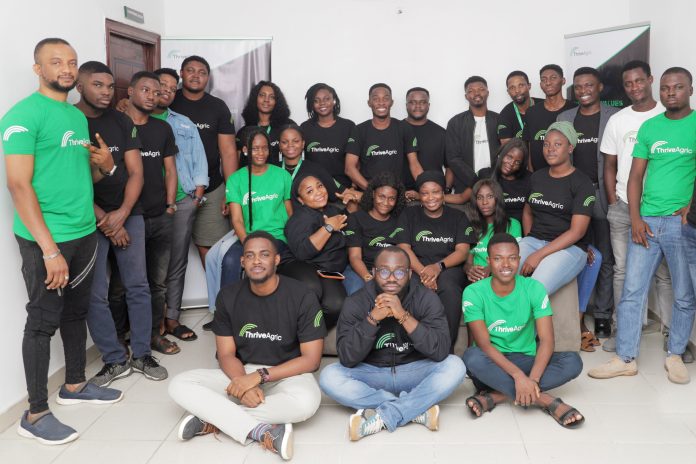
 Leading agricultural technology company, ThriveAgric, has released its 2022 Impact Report reiterating the company’s mission to build the largest network of profitable farmers and accelerate an Africa that feeds itself.

In the year under review, the Nigeria-founded company scaled its operations into neighbouring Ghana, and Kenya in East Africa amongst other feats.

Key highlights of ThriveAgric’s 2022 annual impact report include:

  • Connecting with 514,000+ smallholder farmers in more than 2900 communities 
  • Pilot operations in 5 regions of Ghana and 6 counties in Kenya 
  • Invested over $100 million in financing
  • Produced 1.5 million+ metric tonnes of grains
  • 153.3% year-on-year increase in the number of women impacted
  • 80% increase in youth impact in communities

To accomplish these groundbreaking milestones, the fast-growing agricultural company leveraged its proprietary technology and key partnerships with governments and global institutions including the Ghana Commodity Exchange (GCX), Promasidor (Kenya) Limited, VISA, and OCP Africa. 

Samirah Bello, Partnership Lead at ThriveAgric said: “At ThriveAgric, we remain committed as an impact-driven and customer-focused company. Through our strategic partnerships, we have been able to accelerate impact and reach meaningful milestones while tackling barriers confronting smallholder farmers in their day-to-day business.

“This report is an expansion of our 2017–2021 impact report, and we are proud to say that we have built a tech-driven agricultural enterprise that will eventually help feed both Africa, and the rest of the world.”

Speaking on the social impact, Uka Eje, CEO and co-founder of ThriveAgric said: “In addition to the social benefits such as reducing poverty and improving gender equality, smallholder farmers that work with ThriveAgric produce double the national average yields due to access to better quality seeds, fertilisers and equipment.

“At ThriveAgric, we will continue to adopt a multifaceted approach that includes collaboration between various stakeholders, increased investment, technology adoption, and sustainable agricultural practices. Our 2022 impact report is a testament that we are on the right track.” 

Access to funding remains one of the biggest challenges confronting smallholder farmers in Africa. According to the Africa Development Bank (AfDB), agri-SMEs in Africa are critically underfunded with an annual financing gap of approximately $100 billion.ThriveAgric is bridging this gap by providing input financing, providing data-led advisory to improve output, enhancing supply chain efficiency, and encouraging sustainable agricultural practices with the aim of building a network of profitable smallholder farmers and contributing to a food secure Africa.

Leaning into its Theory of Change (highlighted in the impact report), ThriveAgric aims to provide $500 million in credit to 10 million smallholder farmers across Nigeria, Ghana, and Kenya in 2027, and to double this outcome by 2050.

The company will also be working with organisations who leverage its Agricultural operating Software (AOS) to provide access to loans for their farmers, and is currently onboarding partners. With food security projected by the UN to rise to a record 310 million Africans by 2030, ThriveAgric has planned expansions into Tanzania, Egypt and Zambia to alleviate the potential impact. 

Vaccine Alliance Reaches More Than 1billion Children

Vaccine Alliance reaches more than one billion children

Gavi, the Vaccine Alliance has helped to vaccinate over one billion children with routine vaccines since it was established in 2000 – alongside enabling billions of critical vaccinations during campaigns, emergencies and pandemics – and is on course to achieve a majority of its 2025 strategic objectives.

In total, Gavi has enabled roughly 6 billion vaccinations around the world, protecting children and adults against 19 infectious diseases. These new figures were unveiled at the Global Vaccine Impact Conference, co-hosted by the Spanish Government, which kicked off in Madrid today and saw the publication of a new report, Raising Generation ImmUnity.

Every year, Gavi provides vaccines to countries to protect half the world’s children and despite the huge strain placed on countries’ health systems by the COVID-19 pandemic, the report finds that it remains on or ahead of schedule in eight of 11 key ambitious commitments it made for the period 2021-2025 (Progress covering two of the five years of the 2021-2025 period).

These include efforts to immunise a further 300 million children, prevent between seven and eight million future deaths and unlock US$80-US$100 billion in economic benefits.

Commitments where Gavi’s ambitious goals require additional effort during the current five-year period are in securing further cost savings from manufacturers, increasing countries’ own financial contribution and in helping countries transition away from Gavi support.

These encouraging signs that resilient health systems in the 57 Gavi-implementing countries are having some success in bouncing back following the pandemic appear to be borne out by preliminary data demonstrating a recovery of routine immunisation coverage in 2022. Based on a preliminary analysis of country administrative data shared with Gavi, coverage across Gavi-implementing countries increased by approximately three percentage points in 2022. This contrasts with a 5% point drop between 2020 and 2021 and will help coverage levels return closer to their historical baseline. Gavi’s goal is to continue that catch-up while also reaching the millions of “zero dose” children still missing out on life-saving vaccinations.

Commenting these figures, Prof José Manuel Barroso, Gavi Board Chair, said: “For over twenty years, Gavi’s operating model has been a solution to the world’s immunisation challenges and at no time was this more the case than in recent years, when it has helped countries not only to weather the worst public health crisis in a century, but protect more and more people from deadly, preventable diseases.”

In addition to its work on essential childhood vaccines, Gavi manages stockpiles of vaccines against Cholera, Yellow Fever, meningococcal disease and Ebola, giving it a crucial role in outbreak response. Gavi also co-leads COVAX, the global initiative for COVID-19 vaccine equity, alongside the World Health Organization (WHO), UNICEF and the Coalition for Epidemic Preparedness Innovations (CEPI). COVAX has shipped almost 2 billion doses of vaccines – and as the primary source of COVID-19 vaccines for lower-income economies, prevented 2.7 million deaths across 92 lower-income countries. This role in health crisis response gives Gavi vital insights into future efforts on pandemic prevention and preparedness.

“COVID-19 proved beyond a doubt the value of immunisation. We built our response on top of a tried-and-tested immunisation system. With Gavi support, we can strengthen this platform to ensure our health system can withstand future outbreaks”, said H.E. Budi Gunadi Sadikin, Minister of Health of Indonesia.

“In my country, where climate-change and displacement are making it harder, not easier, to deliver health services – vaccines are an essential way to manage outbreaks and save lives,” said Dr Abdelmadjid Abderahim, Minister of Public Health and Prevention, Chad.

“It is an evolutionary certainty that outbreaks of infectious diseases will only increase due to climate change and population growth. That is why, in addition to protecting a whole generation of young people against preventable diseases, our Alliance has delivered billions more doses of vaccines to help countries fight outbreaks and pandemics. Despite the increasing complexity of the world in which we operate, Gavi is having more impact than ever before, responding to a growing list of global health challenges,” said Dr Seth Berkley, CEO of Gavi.

“Millions of children missed out on essential vaccines in the last three years. Catching up these children is a priority this year, as we rebuild our health systems post-pandemic. Gavi, the Vaccine Alliance, are a critical part of the push to catch up, recover and strengthen immunization systems so each child can thrive,” said Dr Tedros Adhanom Ghebreyesus, Director-General of the World Health Organization (WHO).

“Reaching 1 billion children with lifesaving vaccines is an impressive milestone and a testament to what we can achieve for children when we work together. Yet the job is far from done. As health systems and the immunization services they provide continue to recover from the impact of the pandemic, it’s critical that we continue our joint efforts to ensure that children, everywhere, have access to routine childhood vaccinations. It offers children the best shot at living healthy and happy lives,” said Catherine Russell, Executive Director of UNICEF.

Global Vaccine Impact Conference

The publication of Raising Generation ImmUnity comes as world leaders and immunisation experts gather in Madrid for the Global Vaccine Impact Conference, the first in-person conference on the state of global vaccination since the beginning of the COVID-19 pandemic. Opened by Spain’s Minister for Foreign Affairs, European Union and Cooperation, José Manuel Albares and taking place during 13-15 June, the Conference will bring heads of state or ministers together with leaders from the Vaccine Alliance, civil society, business and academia to assess the current state of immunisation as well as the challenges that lie ahead.

In addition to considering the findings in the report, the meeting’s agenda will also cover other key strategic concerns for the Alliance, such as how to rejuvenate HPV vaccinations, the historic roll out of malaria vaccines, how to mitigate the impact of climate change and prepare for the next pandemic.

Shareholders of TrustBanc Approve An Investment Of N1.5 Billion

Shareholders of TrustBanc Approve An Investment Of N1.5 Billion

The infusion of N1.5 billion in capital into TrustBanc Holdings Limited’s microfinance bank subsidiary has been accepted by the company’s shareholders, and DataPro has improved the parent company’s rating from A to A+ with a stable outlook.

The bank’s position as a top lender in the public sector segment will be further strengthened by the shareholders’ acceptance, according to a statement released on Monday, and it will make it easier for it to expand into other retail lending categories.

The long-term rating of A+ in the DataPro rating remark denotes low risk. It displays the group’s solid financial standing, outstanding operational efficiency, and expanding market profile.

During the year under review, the fund held by TrustBanc shareholders increased from N2.9 billion to N11 billion. For the group’s subsidiary companies, TrustBanc Capital Management Limited, TrustBanc Asset Management Limited, and TrustBanc J6 MFB Limited, the rating note confirmed that the N11 billion is significantly above the total regulatory required capital of N550 million set by the Securities & Exchange Commission and Central Bank of Nigeria.

According to DataPro’s study, liquid assets made up the majority of TrustBanc’s assets as of the end of 2022, or 89% of the total assets.

In the meantime, TrustBanc redeemed its series 11 Commercial Paper issue earlier this month for a total of N4.9 billion, making it the fourth successful redemption in 2023 after the earlier redemption of series 8, 9, and 10 for a total of N5.96 billion.

“We are thrilled to keep our promise and redeem the Series 11 issue when it matures once more. We sincerely appreciate each and every one of the proprietors of our commercial paper. Their faith in us is a testament to our solid business operations, sound model, and expansion plans.

As a group, we take pride in contributing to the development of the Commercial Paper market through our association with the FMDQ. It is worth mentioning that TrustBanc was nominated, alongside MTNN and FCMB, for the award of the largest commercial paper lodgement on FMDQ last year,” said Group Chief Executive Officer, Abu Jimoh.

Dealers on the CP issue include UCML Capital Limited, United Capital Plc and Emerging Africa Group.

Speaking on behalf of the dealers, a director at UCML Capital Limited, Egie Akpata, said the company’s ability to pay at maturity confirms to subscribers and the market at large that TrustBanc is trustworthy.

Over 100 Exotic Cars Seized By Customs

Customs Rakes In N2.3 Trillion Revenue In 11 Months

On Monday, the Nigerian Customs Service reported that it had seized over 100 exotic cars, including several different brands of sport utility vehicles, and that 38 of them had been surrendered to the federal government.

In order to successfully tackle the problem of smuggling automobiles into Nigeria, it further urged stakeholders to collaborate with the men and officers of the Nigeria Customs Service.

This information was revealed in a statement released in Abuja by Jack Okpabi, the Deputy Comptroller of Customs who also serves as Coordinator of the Rapid Response Squad Headquarters.

Speaking of the smuggled automobiles that were seized, he claimed that the latest NCS operation, which resulted in the seizure of over 100 Toyota Hilux, Toyota Landcruiser, and other exotic vehicle models, had prevented the nation from losing significant income that would have gone to waste.

You can see that we have over 100 automobiles, and 38 of them have been forfeited to the federal government, Okpabi reportedly said. Over N400m will be recovered through the operation from demand notices.

The customs official expressed shock at some people’s willingness to smuggle vehicles into Nigeria and questioned why certain people were supporting the traffickers.

“I want to emphasize that the service will not hold back when bringing any criminals found smuggling vehicles into Nigeria to justice.

Breaking News: Tajudeen Abbas Elected House Of Reps Speaker

Tajudine Abbas of Zaria Federal Constituency in Kaduna State was elected Speaker of the House of Representatives.

At the time of the report’s submission, the votes were tallied, but Mr Abbas had a clear lead over his colleagues, former Deputy Speakers of the House Ahmed Idriss Waseh and Idriss Jayzi.

More on that later…

Polaris Bank Restructures, Eyes Fresh Funding

SCIL To Pay N1.3trn In 25yrs After Purchasing Polaris Bank

In order to increase future performance, Polaris Bank claims that as part of its restructuring, it has embraced a customer-centric approach.

Additionally, the bank announced that it was wrapping up arrangements for adding tier-ii capital to accelerate the expansion of its assets.

Adekunle Sonola, the bank’s managing director and chief executive officer, made this statement in an interview with Proshare in which he discussed the history of the financial organization and its long-term goals.

According to Sonola, “A business loses its essence without integrity and its direction without purpose. With the demands of the consumer as our first priority, we are recalibrating.

He emphasized the value of a good client experience as a strategic competitive advantage and said, “We are integrating this into the operational DNA of the bank. Across demographics, our customer journey experiences have been deconstructed”.

A few of the bank’s efforts were also emphasized by Sonola, including “Aggressive customer acquisition and strengthened relationships, improved digital play, improved staff productivity, and cost optimization.”

The Polaris Bank MD reflected on the lessons discovered through the bank’s transitions and said, “Having loans and advances concentrated in a sector, business, or individual is like having twenty egg crates on your head, trip over a pebble, and destroy all egg crates. Cost reduction and funding diversification are increasingly essential components of our future”.

The bank works considerably beyond the statutory 10% capital adequacy threshold, according to Sonola, who spoke about capitalization. We are finalizing plans to add tier II capital to support our ambitions for asset growth. When the need arises, our shareholders are prepared and willing to increase the bank’s capital.

Sonola provided reassurance in response to queries regarding the bank’s performance metrics by stating, “Our funding costs have been highly competitive in the sector. We are promoting the expansion of earning assets. As our initiatives develop, we have every confidence that our net interest income and margin will significantly increase”.

However, he emphasized the bank’s intention to being a significant contender among tier II banks and its focus on value creation rather than expansion.

For two years running, Polaris Bank has been recognized as Nigeria’s Digital Bank of the Year.

Guinness Word Records Finally Certifies Hilda Baci’s Cooking Marathon

Guinness Word Records Certifies Hilda Baci's Cooking Marathon

Guiness World Records has finally acknowledged Nigerian chef, Hilda Bassey aka Hilda Baci for the longest cooking marathon by an individual.

The previous record of 87 hours 45 minutes was set by Lata Tondon (India) in 2019.

According to a statement released on Tuesday, Guinness World Records said, “Following a thorough review of all the evidence, Guinness World Records can now confirm that Hilda Effiong Bassey, better known as Hilda Baci, has officially broken the record for the longest cooking marathon (individual), with a time of 93 hours 11 minutes.

“The 26-year-old Nigerian chef began on Thursday 11 May and continued through to Monday 15 May, cooking over 100 pots of food during her four-day kitchen stint.

“Hilda attempted to set a record of 100 hours, however, almost seven hours were deducted from her final total because she mistakenly took extra minutes for one of her rest breaks early on in the attempt.

“As with all ‘longest marathon’ records, the participant is permitted a five-minute rest break for every continuous hour of activity. These rest breaks can be accumulated if not taken. They were the only times Hilda could use the bathroom or sleep during the attempt.”

Hilda attempted this record to “put Nigerian cuisine on the map” and “to inspire young African women to chase their dreams.”

“I also decided to break this record to truly push my limits and test my abilities,” she added.

According to the organization, the cooking marathon generated a lot of traffic on its website which made it crash for two days.

“Hilda’s cook-a-thon was in fact so popular that our website crashed for two days due to the immense volume of traffic we received from her legion of loyal fans.”

Hilda Baci is officially a Guinness World Records title holder.

NGX Records N60bn Trading

NGX Records N60bn Trading

The equities sector on the Nigerian Exchange (NGX) rose more than N60 billion despite four days of record bear trading in the week just ended. The market was dominated by selling in four out of five trading sessions, according to trading data. However, investor interest in Airtel Africa pushed the market index higher.

The market sold major tickers ahead of the earnings season. Some value hunters and alpha seekers take positions in both growth and value stocks. Many rising stocks in the financial services sector have started to let go of profit-taking. MarketForces Africa, in particular, reported a decline in the popularity of Tier 1 banks, which had been on a strong upward trend.

As a result, the Nigerian Exchange All-Shares Index (NGX-ASI) rose 0.2% to close at 55,930.57 points, helped by a 42 basis point gain on Tuesday, according to Afrinvest Limited. On a weekly basis, activity levels were subdued with average trading volume and value down 32.0% and 21.2% respectively to 439.3 million units and £9.2 billion.

As of the weekend, ETERNA was up 45%, closely followed by UNITYBNK up 44% and FTNCOCOA up 41%. Meanwhile, RTBRISCOE lost 11% of its market valuation and COURTVILLE lost 10%, a similar trend seen with MULTIVERSE. Stocks up 10 degrees – leader in weekly charts for laggards.

From a sectoral perspective, the insurance index rose 13.9%. The largest gains were recorded by the oil and gas index (+3.4%), the banking index (+1.1%) and the consumer goods index (+0.1%).

On the other hand, the industrial product index fell (-1.3%). The overall market capitalization has increased by £60.1bn to £30.5tn, with year-to-date yields improving to 9.1% from 8.9% last week.

Mistakes To Avoid When Naming Your Food Business

Ramadan 2022: Healthy Nigerian Foods For Iftar

Naming a food company is an important step in establishing its brand identity. A good name can attract customers and differentiate you from your competitors. However, choosing the right name can be difficult, and mistakes can be costly.

This article discusses common mistakes to avoid when naming your food business.

Mistake #1:
Choose a name that is too long or complex

Long or complex names can be difficult for customers to remember or spell. Placing signs, menus and business cards can also be difficult. Your business name should be easy to pronounce, catchy and memorable. It should also be easy to type and search online.

Mistake #2:
Copying or imitating the name of another food company

Copying or copying other food company names can confuse customers and make your business seem unoriginal. It’s important to create a unique and memorable name that reflects your company’s identity and values. Conducting a trademark search can also help you avoid legal problems due to similar company names.

Mistake #3:
Use names that are too generic or descriptive

Using a name that is too generic or descriptive can make it difficult to distinguish your business from other businesses in the market. Too vague or broad names can also limit your ability to expand your menus and services. It’s important to choose a name that is specific and reflects your company’s unique identity and values.

Mistake #4:
fail to consider cultural or linguistic implications

When naming your food business, it’s important to consider cultural or linguistic connotations. Certain words and phrases can have different meanings and connotations in different cultures and languages, which can lead to unintended associations and misunderstandings. Conducting research or consulting with a branding expert can help you avoid potential cultural and linguistic pitfalls.

Mistake #5:
Regardless of future growth or expansion

When naming your food business, it is important to consider the future growth or expansion plans of your business. A name that is too narrow or limited to your current menu or location can limit future business expansion or rebranding. It’s important to choose a name that is flexible and can accommodate future changes and growth. In summary, choosing the right name for your food business is an important step in establishing its brand identity.

By avoiding these common mistakes, you can create a memorable and unique name that reflects your company’s identity and values. Keep your name short, easy to remember, easy to remember and easy to spell, taking into account cultural and linguistic connotations as well as future growth and expansion plans.

Yam, Rice, Garri Prices Surge By 200% Under Emefiele’s Watch

Yam, Rice, Garri Prices Surge By 200% Under Emefiele's Watch
Institute Ranks Nigeria Among Countries With Least Affordable Food

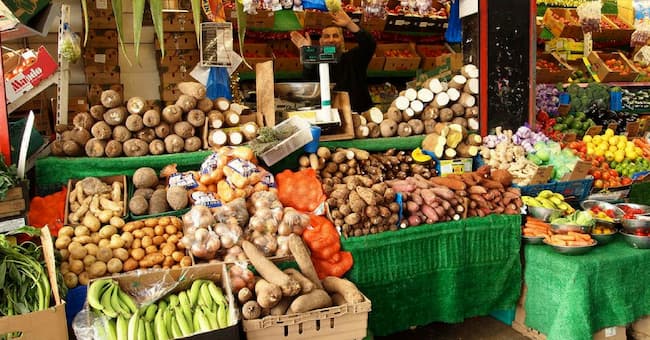
Despite the disbursement of N1.09 trillion in eight years by the Central Bank of Nigeria (CBN) to boost staple foods production in the country, the average prices of yam, rice, and garri have risen the most during the period, according to data from the National Bureau of Statistics (NBS).

Prices of the three products have risen by over 200 percent in the last eight years, contributing significantly to the surge and double-digit growth in headline inflation over the period.

Godwin Emefiele, former CBN governor had during the last monetary policy meeting said the apex bank has allocated N1.09 trillion to farmers under the Anchor Borrowers Programme (ABP), with rice growers accounting for the highest percentage of recipients of the money.

The ABP, targeted at making Nigeria self-sufficient in rice, cassava, fish, wheat, palm oil, and other commodities, has been heavily linked with corruption and has failed to realise its objective.

According to NBS selected food prices report across Nigeria’s 36 states, the average price for one kilogram (kg) of yam tuber rose by 298.4 percent to N444.6 in April 2023 from N111.6 in January 2016, one kg of rice imported rose by 274.3 percent to N781.5 from N208.8 and one kg of white garri sold loose grew by 207.5 percent to N362.5.

These staple foods, which are everyday meals for most consumers, have contributed to the double-digit growth in the headline inflation rate, worsening the living conditions of cash-strapped consumers in Africa’s biggest economy. Double-digit inflation started at 11.38 percent in February 2016 and reached single-digit 9 percent in January of the same year, according to NBS data.

Since then, it is 22.22% in April 2023, maintaining his double digits among the highest in the world. It was already in that range (12%) in December 2012, before inflation hit double digits.

Food inflation, which accounts for more than 50% of the main inflation rate, more than doubled from 9.78% in May 2015 to 24.61% in April 2023.

“Since February 2016 to date, the country has recorded a double-digit monthly inflation rate, with an adverse effect on the size of its middle class,” Chinyere Almona, director-general of Lagos Chamber of Commerce and Industry, said.

“Furthermore, the inflation rate of 22.22 percent is the highest in about 17 years, with significant and worrisome impacts on both the household and business sectors,” she added.

She said apart from eroding purchasing power, it has led to inventory stockpiles. “If left unchecked, the high inflation may further constrain production, lead to a steeper rise in poverty figures, frustrate economic growth, and lead to higher unemployment and non-competitive exports, especially in the sub-region,” she said.

She recommended government implementation of fiscal measures, such as reducing/removing taxes on staple food items to protect the most vulnerable as well as spur demand-side growth.

Also, a piece of egg rose by 198 percent to N88.2 percent, one bottle of evaporated canned milk increased by 187.6 percent to N378.8, one kg of brown beans sold loose grew by 158.7 percent to N615.7, one kg of frozen chicken rose by 155.5 to N2,853.2 and a 500g sliced bread rose by 138.9 percent to N577.4.

Food inflation which constitutes more than 50 percent and has been the main driver of headline inflation rate has more than doubled from 9.78 percent in May 2015 to 24.61 percent in April 2023.

“Higher prices of local staples such as rice, bread, yam, and wheat, especially in non-rural areas, is estimated to have pushed an additional five million Nigerians into poverty between January and September 2022,” the World Bank said in a recent report.

Experts have blamed the surge in food prices on some of the unorthodox policies such as the border closure policy and FX restriction on some importers of certain commodities among others.

A 2022 report by SB Morgen, titled ‘Nigeria’s history of inflation: A tale of the destruction of value’, identified the 2019 border closure policy, high import tariffs, and the current exchange rate regime of the CBN as major factors stifling supply, thus fuelling a surge in prices of various commodities.

Incomes have declined to $2,065.7 in 2021 from $2,679.6 in 2015, data from the World Bank show, and a continuous spike in prices is reducing the ability of Nigerians to afford some of the necessities of life such as food, water, shelter, and clothing. All these have contributed to an increase in poor people to 95 million in 2022 from 70 million in 2016, according to the World Bank.

“The minimum wage, which was $82 in 2019, had dropped to $26. Consumer price inflation had heightened, making it one of the highest in the world,” it said in its latest Nigeria Development Update report. Last year, the NBS put the number of Nigerians living in multidimensional poverty at 133 million, compared to 82.9 million considered poor in 2019 by national standards.

When people cannot meet the basic necessities of life, they will resort to social vices such as kidnapping, which is now a new business in Nigeria, Damilare Asimiyu, a senior analyst at Afrinvest Securities Limited, said.

Access Pensions Provides Financial Planning Services To Its Customers

Access Pensions Provides Financial Planning Services To Its Customers

In order to ensure that its customers transition to a comfortable retirement, Access Pensions has stated that it will offer individualized financial planning.

Dave Uduanu, Managing Director of Access Pensions, stated that the financial future of its consumers was a priority, and that with its in-house knowledge, its customers could receive more services.

At a ‘Evening with Access Pensions’ event in Abuja, Dave participated in an interactive discussion with some of the company’s high-net-worth individual clients.

“Many people enter retirement without adequate preparation. It is imperative to begin retirement planning as soon as possible, ideally starting to think about post-retirement plans around the age of 40”, stated Dave.

Failure to consider your financial flow, lifestyle, and anticipated post-retirement needs can make it difficult to support yourself in retirement.

Housing, children’s education, and healthcare are three crucial concerns that must be addressed when talking about retirement and pensions. Even if it is beyond the scope of our profession, healthcare is nonetheless an important factor to take into account while planning for retirement.

Dave stated that the goal of the personalized financial service was to make sure that retirement assets were used for their intended purpose, which was to provide pensions, and were not drained by bills like rent, tuition, or medical costs.

He also said that workers’ RSA mortgage equity support might help with housing demands, and that thorough financial planning could help with issues related to schooling.

Other Access Pensions partners had the opportunity to highlight complimentary services that could improve the clients’ financial security during the event.

Clients had access to a wide variety of services as a member of the Access Corporation ecosystem. Beyond pensions, the partnership with other organizations like Coronation Insurance and Coronation Trustees includes their total financial well-being.

As part of its value-added services, Access Pensions also provided wealth advisory and financial planning to its clients.

Uchenna Edeh, Regional Head of Corporate Team at Access Pensions, recognized three different phases of retirement, each with its own traits.

Resources are in abundance during the first stage, but then they started to run out and the retiree became dependent on retirement funds. In the last stage, costs tended to rise significantly, frequently due to increases in healthcare costs.

Additionally, Access Pensions’ Chief investing Officer, Wale Okunrinboye, said that the company’s investing strategy was rigorous, quantitative, and supported by thorough research to guarantee that clients received the best possible value for their pension.

Nigeria Becomes 2nd WTO Member To Accept Agreement On Fisheries Subsidies

Nigeria Becomes 2nd WTO Member To Accept Agreement On Fisheries Subsidies

Nigeria, on Monday, June 12, 2023, formally deposited its instrument of acceptance for the Agreement on Fisheries Subsidies, making it the second African World Trade Organisation (WTO) member to do so after Seychelles.

Seychelles had on March 10, 2023, deposited its instrument of acceptance for the Agreement thereby becoming the third WTO member and first African country to do so.

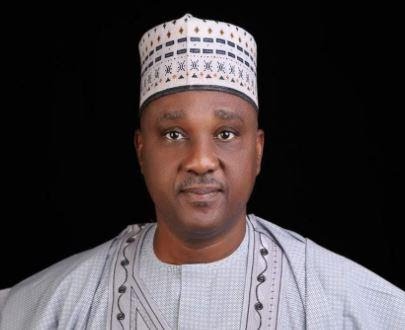
Ambassador Adamu Mohammed Abdulhamid, presented Nigeria’s instrument of acceptance to the WTO Director-General, Dr. Ngozi Okonjo-Iweala in Geneva, Switzerland, yesterday.

Acceptances from two-thirds of WTO members are needed for the Agreement on Fisheries Subsidies to come into effect.

A statement on the WTO website noted that while presenting Nigeria’s instrument of acceptance, Abdulhamid said: “The Agreement on Fisheries Subsidies presents a unique opportunity for Nigeria to promote sustainable use of ocean resources for economic growth and the improvement of livelihoods while preserving the health of ocean ecosystem, believing that the Agreement shall put a stop to all harmful fisheries subsidies such as illegal, unreported, and unregulated fishing activities by all WTO members.

“By this instrument of acceptance, Nigeria reassures its commitment to a rule-based multilateral trading system by guaranteeing its compliance with the Agreement as well as refraining from introducing any new subsidies that harm the marine environment while recognising the need for appropriate and effective special and differential treatment for developing and least developed countries which can be achieved through adequate policy space to develop its fisheries sector and technical assistance and capacity building in order to implement the discipline.

“Nigeria calls on other WTO members who are yet to ratify this agreement to do so as soon as possible so as to contribute to our global effort of preservation of the global fish stocks.”

Nigeria’s formal acceptance marked an important step toward entry into force of the Agreement with about one-third of the acceptances needed now in hand.

Nigeria is the fifth-largest African fishing nation and is estimated to lose about $70 million each year to illegal, unreported, and unregulated fishing. The sector accounts for as much as five per cent of Nigeria’s gross domestic product (GDP) and supports the livelihood of about 24 million people.

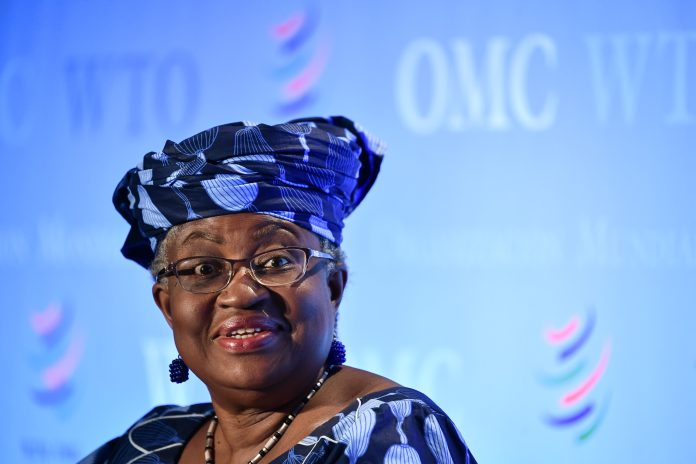
Receiving Nigeria’s instrument of acceptance, the WTO DG, Okonjo-Iweala said: “I am profoundly grateful to Nigeria for formally accepting the WTO Agreement on Fisheries Subsidies. I am proud to see the country’s continued commitment to sustainable development and its vote of confidence in the work of the WTO.

“Nigeria’s acceptance adds to our growing tally of members that have accepted the Agreement — we have received about one-third of the total that we need for the Agreement to enter into force.

“I hope that Nigeria’s action serves as an inspiration to other governments in Africa and the rest of the world to move swiftly to implement the Agreement and foster global cooperation for the benefit of our shared future.”

Oil Price Drops Over Weak Economic Data

Nigeria's Oil Output Dropped To 1.346m Barrels Per Day - OPEC

Crude oil prices started the week lower as weak economic data from the US and China raised concerns about weaker demand in the world’s largest oil consumer. The international benchmark Brent crude traded at $74.03 a barrel, down 1.02% from $74.79 a barrel at the close of trading on Friday.

At the same time, US benchmark grade West Texas Intermediate (WTI) was trading at $69.46 a barrel, down 1.01% from the previous closing price of $70.17 a barrel.

Concerns about declining global oil demand and slowing economic growth weighed on prices.

In the United States, economic growth has slowed in recent months due to high inflation and high interest rates. Experts are now awaiting the expected US consumer inflation data on Tuesday and the expected Fed interest rate decision on Wednesday.

Negative economic data from China, the world’s largest oil importer, also raised concerns about weakening demand.

Producer prices fell 4.6 percent in April from a year earlier, while consumer prices rose 0.2 percent, according to the China Bureau of Statistics.

The statistics showed that China’s economic recovery has been slower than expected since COVID-19 restrictions were lifted. Additionally, Iran’s message that it was willing to reach an agreement with the West on its nuclear program also helped push prices down. Iran’s Supreme Leader Ayatollah Ali Khamenei said on Sunday that a nuclear deal with the West would be welcome as long as the country’s nuclear industrial infrastructure remains intact.

Ayatollah Khamenei’s remarks have raised fears that the oil market could become unbalanced. Market participants fear that Iranian oil could flood the market once sanctions on Iranian oil exports are lifted.

German Company Introduces Producers To Innovative Technology

German Company Introduces Producers To Innovative Technology

The VDW-German Machine Tool Builders’ Association and the Nigerian-German Chamber of Commerce have stated that they will provide manufacturers in Nigeria with the chance to interact with the top technicians, inventors, and digital enthusiasts.

The pair explained that they planned this for the EMO Hannover 2023 trade show in September in Germany during a press conference in Lagos.

The event, which is among the top trade shows in the world for production technology, will present the newest organizational, strategic, and technological trends in global production, according to NGCC Director-General Marilyn Rapu.

With the subject “Innovate manufacturing,” the NGCC chief announced that there will be exhibitors from several nations that make up the production technology value chain, all of whom would present a thorough overview of the most recent technological advancements.

It’s a production technology show, the director general remarked. Small businesses can join. The manufacturing industry in Nigeria needs to modernize its practices to keep up with the global information explosion.

Germany has helped Nigeria in a variety of ways over the years, particularly technologically. Participants would get knowledge of current trends, comprehend obstacles, network, and find answers to issues they are now facing locally. Because manufacturing is the future for Nigeria, a nation without strong manufacturing for export faces serious issues.

Kayode Jegede, the project manager for the Nigeria-based Skilled Workers For Africa-VDMA initiative, added that the fair included every component of the manufacturing ecosystem and provided an opportunity for local manufacturers to learn, unlearn, and relearn in order to increase efficiency and effectiveness in their specific fields.

“It’s not just about the hardware or the machines,” Jegede remarked. It involves the entire manufacturing ecosystem, including knowledge, skills, and processes. Germany is known for having the best manufacturing equipment and infrastructure. Since you are aware, ideas dominate the world, this is a learning fair.

Therefore, Nigerian producers are urged to seize this chance since they will never regret it.

BREAKING: Akpabio Emerges Senate President

BREAKING: Akpabio Emerges Senate President

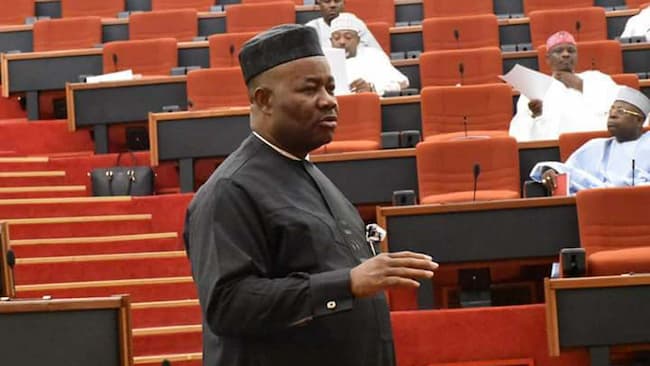
Godswill Akpabio, a senator from Akwa Ibom North-West, has been elected the Senate President. He won the poll on Tuesday by defeating Senator Abdulaziz Yari of Zamfara Central.

Yari received 46 votes, while Akpabio received 63.

The governing All Progressives Congress (APC) chose the former Niger Delta affairs minister as their chosen candidate ahead of the election.

The national assembly clerk is presently giving Akpabio’s oath of office. The clerk also provided Akpabio the gavel and a copy of the Senate standing rules.

Akpabio recently used his authority for the first time by striking the gavel.

Students Loan Bill: Benefits & Requirements

Students Loan Bill: Benefits & Requirements

Nigerians were on Monday, June 12, 2023, treated to an exciting news, as President Bola Tinubu signed the Students Loan Bill into law.

Amongst other things, BizWatch Nigeria understands that the Students Loan Bill will enable indigent students to access federal government loans to fund their educational pursuits or career.

How Nigeria’s Students Loan Bill will help Nigerians

1. The Act provides an interest-free loan for indigent Nigerian students in which beneficiaries will only pay back the exact amount they collect.

2. The Act offers loans for indigent Nigerian students seeking higher education in government-owned universities, polytechnics and colleges of education in the country.

3. The Act enables all indigent Nigerian students to have equal rights to access the loan without any form of discrimination arising from gender, religion, tribe, position or disability of any kind.

4. The Act states that the loan shall be given to indigent Nigerian students only for the payment of tuition fees. 

5, The Act stipulates that there shall be the establishment of a Nigerian Education Bank with the objective to provide education for all Nigerians in matters pertaining to loans:

Requirements for the Students Loan

1. The student applicants applying for loans under the Act shall apply to the Chairman of the Bank through their respective institutions upon satisfaction of the following conditions.

2. The student applicants must have secured admission into any of the Nigerian universities, polytechnics, colleges of education or any vocational school established by the Federal Government or the government of any Stale of the Federation.

3. The student applicants’ income or family income must be less than N500,000 (five hundred thousand naira) per annum.

4. The student applicants must provide at least two guarantors: each of the guarantors must be a civil servant of not less than level 12 in the service; or a lawyer with at least 10 (ten) years post-call experience; a Judicial officer; or a Justice Peace.

It is widely known that education is pivotal to the economic growth and development of any nation, and this Act will be one of the mechanisms to overhaul the educational system in Nigeria.

Dollar To Naira Exchange Rate Today (Tue. Jun. 13, 2023)

Dollar To Naira Exchange Rate Today (Thur. July. 13, 2023)

Dollar to naira, on Tuesday, June 13, 2023, opened at (undisclosed) at the Investors & Exporters FX window ( I&E FX Window), where the currencies officially trade.

According to the data at the FMDQ Security Exchange where forex is traded officially, the dollar to naira exchange rate stood at (undisclosed).

This would mean that the Nigerian currency either gained or lose in value against the United States dollar, as the foreign exchange (forex) trading closed at N462.4 per $1 on Wednesday, June 8.

How much is the dollar to naira at the black market today?

Going by sources at the Bureau De Change (BDC) in Lagos, the dollar to naira last traded between ₦750 and ₦760 with an average of ₦755.00 in the black market in the state.

It is, however, pertinent to note that the Central Bank of Nigeria (CBN) does not recognise the parallel market (black market), as it has directed individuals who want to engage in forex to approach their respective banks.

NDIC Chairman Urges Tinubu To Probe NDIC Act 2023

NDIC Chairman Urges Tinubu To Probe NDIC Act 2023

The new board chairman of the Nigeria Deposit Insurance Corporation (NDIC), Abdulhakeem Abdullateef, has requested President Bola Tinubu to investigate the passing of the NDIC Act, 2023.

Former President Muhammadu Buhari signed the NDIC (repeal and reenactment) bill of 2023 into law on May 26, 2023.

The new statute repeals the NDIC statute of 2006 and makes the NDIC the insurer of all insured institutions’ insurable deposit liabilities.

The NDIC chairman said in a Facebook Live session on Monday that the bill signed by the former president contained provisions that were not included in the version enacted by the national assembly.

‘Even If You Kill Me, I Will Tell Nigerians My Mind,’ Abdullatteef’s session was titled.

According to Abdullateef, a former Lagos state commissioner for home affairs, the president is not permitted to nominate a managing director for the agency under the new law.

He stated that only the governor of the Central Bank of Nigeria (CBN) was tasked with proposing someone for the position of NDIC managing director.

“NDIC stinks. There is a lot of rot going on. They say ‘When you fight corruption, corruption fights you’. This is the purported new act of the NDIC and I tell you for nothing that this is ‘Emefiele’s act’. Here, they have taken away the powers of Mr President in respect of the NDIC,” he said.

“This document that was signed is materially different from the vote and proceedings of the National Assembly that passed it.”

Abdullateef, who wept during the session, said the NDIC should be a fully independent agency, not under the thumb of the CBN.

“I want Mr President not to act on this law until it is probed. Probe the passage of this law. Probe the inclusion of section 7 which takes away the right of ministry of finance, which takes away the responsibility of ministry of finance and replaced it with two directors from CBN,” he said.

“Probe why what is passed is fundamentally different from what was assented to. Probe what happened between the time the senate passed it and the house of representatives passed it and there was no divergence.

“Under the law, do you know the status of this new act? It is null and void. Anytime Mr President assents to a bill that is materially different from what was passed by the senate and the house of reps, it means there was a material omission and the law was not matured for assent.

“There is a need for the new administration to return this act to the National Assembly when it is proclaimed. They should investigate it and allow National Assembly members to debate.

“Mr President, don’t act on the new NDIC Act.”

READ ALSO
BizWatchNigeria.Ng
Privacy Overview

This website uses cookies so that we can provide you with the best user experience possible. Cookie information is stored in your browser and performs functions such as recognising you when you return to our website and helping our team to understand which sections of the website you find most interesting and useful.