The stakeholders in the leather industry have strengthened their commitment to upgrade the sector, which it said occupies a very strategic position in the development of Nigeria’s economy.
This was the focus of a the Ponmo summit 2023 which held in Lagos with aim of discouraging the consumption of hides and skin (Ponmo) in Nigeria.
They were of the opinion that leather and leather products could reach $17 billion if properly harnessed.
In his welcome address, the chairman, National Steering Committee on Strategic Implementation Plan of
Leather and Leather Products Policy in Nigeria, Prof. M. K. Yakubu, said that the state of the economy coupled with the devastation witnessed by the pandemic from 2019 to 2021, informed the country’s decision to diversify the economy. This approach is aimed at complementing the nation’s dwindling revenue from petroleum and petroleum products. Being a major productive sector, next to the petroleum industry in terms of foreign exchange earnings, leather is considered critical to achieving this diversification objective.
According to him, Nigeria has a comparative advantage in livestock production. However, the Leather industry has hitherto witnessed a decline in its performance because of the long absence of a sector-specific policy.
“I am sure this will ensure extensive stakeholders buy-in and less opposition to the habit of consumption of hides and skins, which has been depriving the nation of multi-million dollar potential revenue from marketing leather and leather products. I, therefore, urge you to pay serious attention to this PONMO Summit to fast-track the implementation of this Strategy.
“The Summit will focus on Psychological Perspectives on Issues, Challenges and Way out of Consumption of Hides and Skins; Nutritional Values and Health Implications of Ponmo as well as Socio-Economic and Environmental Impacts of Ponmo in Nigeria. Also, the Summit will centre on the Provision of Incentives and Incorporation of “Ponmo” Dealers into the Leather Value Chain and other businesses.
“I am pleased to announce that NILEST has made some modest remarkable achievements in the implementation of this Leather Policy by establishing Nine (9) Extension Centres across the six (6) geo-political zones of Nigeria. In the South West, we have a Centre in Iwaro-Oka in Ondo State and Ilara-Remo in Ogun State to extend the services of the Headquarters in Zaria to Leather Value Chain Actors and general populace.
“NILEST is championing the campaign to discourage the consumption of raw hides and skins (Ponmo) in Nigeria. If all Leather stakeholders are involved in this campaign, there will be enough leather to produce leather products in the country. In the area of security, the Institute is collaborating with the Military for research, development, design, and production of military footwear for the Armed Forces.
“The Institute has embarked on some strategic research initiatives geared towards production of leather processing assistants. There is a research group looking into the production of refined vegetable based tanning agents; another group is working in the area of recombinant DNA for the production of enzymes for leather processing; another is exploiting our diverse flora resources as substitutes for salts as biocides for the preservation of hides and skins,” Yakubu added.
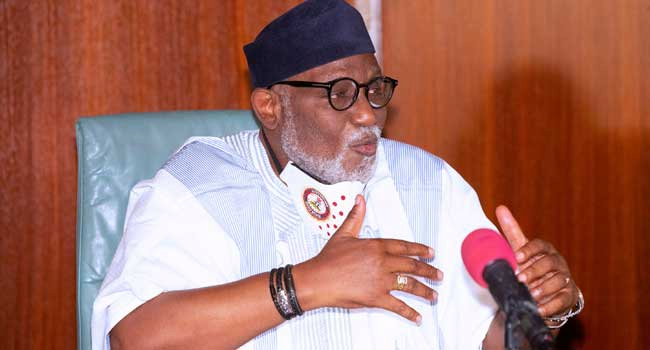
Ondo State Governor Rotimi Akeredolu has stated that the current reality in the country demonstrates that the necessity for restructuring is evident.
In a statement signed on Monday in Akure, the state capital, by Richard Olatunde, the governor’s principal press secretary, Akeredolu emphasized the need to review the country’s current socio-political framework in order to assure progress and development.
The governor expressed trust in President Bola Tinubu’s new administration and encouraged him to restore Nigerians’ lost faith.
“The need for restructuring has become undeniable. The federal government must relinquish its excessive control over the sub-national entities. It is imperative that security is decentralised to the states. There is no better time than now for the establishment of state police,” Akeredolu said.
“The symbol of the June 12 struggle made the ultimate sacrifice. We must not allow our people to continue paying the price in vain. It is devastating. By devolving power to the sub-national entities, we can deepen our democratic values, strengthen governance, and make our nation more resilient.”
The governor of Ondo stated that June 12 is more than simply a watershed moment in the search of justice, and that it serves as a reminder of the significance of sustaining ideals of equity and fairness.
He urged Nigerians to ponder on the significance of June 12 and to remember the sacrifices made by Nigeria’s democratic heroes.
“Today is a commemoration of sacrifices, patriotism, and peaceful struggle. June 12 marks a significant moment in our country’s democratic history, symbolising a profound renewal of hope and ambition,” Akeredolu noted.
“It serves as a powerful reminder of our unwavering optimism and determination in the face of formidable obstacles.”
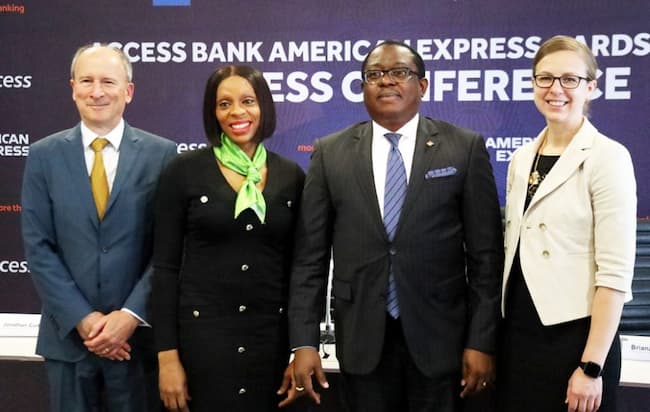
In maintaining its leadership status as Nigeria’s most innovative bank, Access Bank has unveiled two new consumer credit cards: the Access Bank American Express Gold Card and the Metal Platinum Card.
These are the first American Express cards to be issued in Nigeria and West Africa.
By launching these cards, Access Bank has improved its overall offering to its retail and private bank customers, who can now enjoy the Membership Rewards loyalty programme and a wide range of travel and lifestyle benefits.
In 2019, Access Bank signed an agreement with American Express to start acquiring merchants, enabling businesses across the country to accept payments from international American Express Cards. The bank is now ready to issue the first American Express credit cards in West Africa.
The Gold and Platinum Cards showcase the international American Express card design, featuring the distinctive ‘Centurion’ icon.
Similar products are also issued outside of Nigeria by American Express or third parties licensed by American Express and provide cardmembers with extensive rewards and benefits.
Through Access Bank, this credit card experience is now available in Nigeria.
Herbert Wigwe, Group Managing Director, Access Holdings, said the cards will be available by request and invitation and customers who have signified interest will begin to enjoy the usage from Tuesday, June 13, 2023.
He said, “We are a bank of many firsts. We do have a wide network and with this partnership, AMEX will have 60 million customers supporting this partnership. It is a massive endorsement for us to work with AMEX in this partnership.
Roosevelt Ogbonna, Managing Director and CEO of Access Bank said: “The launch of American Express Cards in Nigeria is another milestone in the continued development of a vibrant and fast-growing payments industry. Customers want more than transactions – they want real value.
“With American Express, we can provide valuable card benefits, strong loyalty rewards, and a real reason to use electronic payments instead of cash. By diversifying our services to facilitate payments, we can connect more consumers to the SMEs and retail businesses across the country who we know are the engine of economic growth.”
Chizoma Okoli, Deputy Managing Director, Retail South, Access Bank, said the unveiling of the credit cards is a testament to the bank’s leadership role in the country.
Her words, “We are always at the forefront in the banking sector here in Nigeria and this is our newest innovation as we lead others. You can see these AMEX cards anywhere in Nigeria except here at Access. I know our customers who are going to reap the benefits will be proud of us”.
Victor Etiokwu, Deputy Managing Director, Retail North, said the partnership with American Express is not the first and won’t be the last.
He said, “In the payment world, it is important to have varieties and as a financial sector supermarket, we have varieties of lovely items for the benefit of our customers. AMEX is a unique brand and we have always wanted to have them on our portfolio and we are glad this has become a reality. We will continue to collaborate with AMEX.
Mohammed Badi, President, Global Network Services at American Express, said, “By granting Access Bank a license to launch the first-ever American Express Cards in Nigeria, American Express’ presence in Africa is becoming even more vibrant. The Access Bank American Express Gold Card and the metal Platinum Card enhance the credit card experience in Nigeria with special benefits, access, and service – for Cardmembers both in Nigeria and when travelling overseas.”
Alongside dual-currency functionality (NGN/USD) and international acceptance, the American Express cards include airport lounge access, car rental perks, membership rewards, loyalty points, as well as insurance and protections.
On top of these features, the Platinum Card also offers expanded airport lounge benefits, with complimentary access to more than 1,400 lounges through the American Express Global Lounge Collection.
There are also Hotel perks and upgrades through The Hotel Collection and Fine Hotels + Resorts, special status access in the Hilton Honours, Radisson Rewards, and Marriott Bonvoy rewards programmes.
Other benefits include complimentary access to hotel membership programmes, with Tablet Plus membership and Mr & Mrs. Smith Gold status, 24/7 travel and lifestyle concierge services.
At the launch, Briana Wisley, Vice President and General Manager, Network Partnerships EMEA, American Express, while commenting on the partnership between Access Bank and AMEX said it was only Access Bank that ticked all the boxes they were looking for and AMEX is happy to be doing this with Access Bank.
She said, “Across Nigeria and in West Africa, Access Bank has a great record of expertise and innovations in the payment space. And this is why we are excited to have them as the issuing partner for this product in Nigeria and West Africa. So it is very exciting for both of us.
“We are a globally integrated payments company and one of the world’s largest card issuers. We are happy with Access Bank and we give customers access to products, insights and experiences that make life better and help grow business value.
“Today, we have more than 135 million cards globally. You can use them in over eight million locations in 198 countries and territories.
“So you can see that we are a global brand and we are glad that Access Bank customers are now going to enjoy all the benefits of having AMEX cards. One of our key objectives is to continue expanding that scale and relevance globally.
“And we do this in many ways by investing to modernize the AMEX network by launching innovative products and granting licenses to financial institutions like Access Bank, which can issue cards and grant access to our cards to millions of merchants.
“In fact, since 2017, the number of places you can use your AMEX cards globally has more than tripled. And that is a great part, thanks to our wonderful partners like Access Bank”.
“Nigerians can remember when I stood up for Air Peace and ensured they must be going to Dubai. Are they going now? No! Why? No capacity,” He had said.
Air Peace “leased two Boeing 777 aircraft on a monthly lease fee of $250,000, parked the aircraft for several months, and incurred losses of $19 million while all the aircraft engines and landing gears became due for replacement when we were ready to fly,” the former minister added.
In response to the charges in the document, Olajide stated that the airline owns three Boeing 777 airplanes that it purchased outright.
“This is a blatant lie as we have three and not two Boeing 777 aircraft which were never leased or rented, but were purchased outrightly by the airline,” she said.
“Air Peace never incurred such a loss, we never paid rentals contrary to his lies. The Nigerian Civil Aviation Authority (NCAA) can attest to the purchase and ownership of the aircraft by Air Peace.”
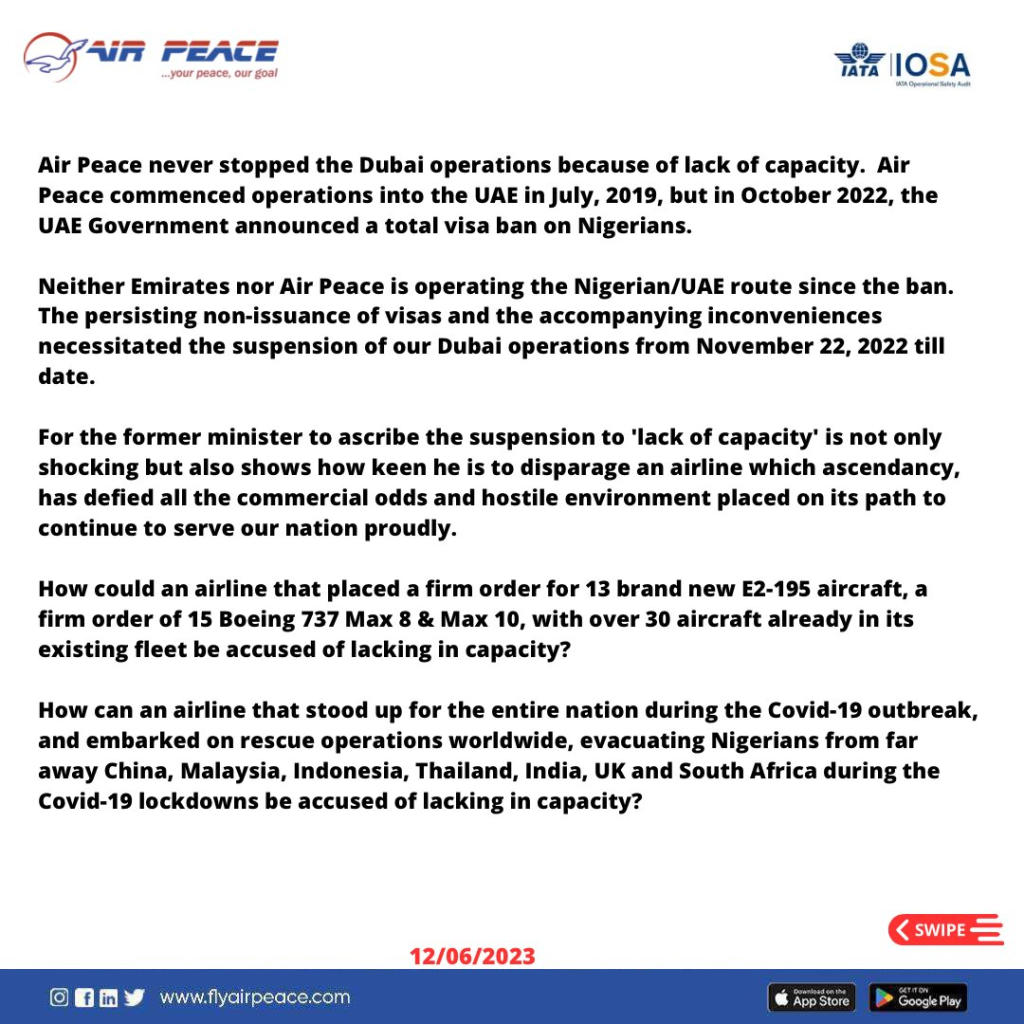
In response to the allegation that the airline ceased operations in Dubai due to a shortage of capacity, the COO stated, “Air Peace never ceased operations in Dubai due to a lack of capacity.”
She stated that the airline began operations in the UAE in July 2019, but that the UAE government declared a total visa ban on Nigerians in October 2022.
“Neither Emirates nor Air Peace is operating the Nigerian/UAE route since the ban. The persisting non-issuance of visas and the accompanying inconveniences necessitated the suspension of our Dubai operations from November 22, 2022, till date.
For the former minister to ascribe the suspension to ‘lack of capacity’ is not only shocking but also shows how keen he is to disparage an airline which (sic) ascendancy has defied all the commercial odds and hostile environment placed on its path to continue to serve our nation proudly.
“How could an airline that placed a firm order for 13 brand new E2-195 aircraft, a firm order of 15 Boeing 737 Max 8 and Max 10, with over 30 aircraft already in its existing fleet be accused of lacking in capacity?
“How can an airline that stood up for the entire nation during the Covid-19 outbreak, and embarked on rescue operations worldwide, evacuating Nigerians from faraway China, Malaysia, Indonesia, Thailand, India, UK, and South Africa during the Covid-19 lockdowns be accused of lacking in capacity?
“We implore the general public to disregard these lies told by the former minister of aviation against Air Peace during the Arise TV Interview.”
The Securities and Exchange Commission has ruled that Binance’s operations are illegal in Nigeria, which might make it even harder for ordinary Nigerians to access cryptocurrencies.
This is in line with a circular that was made public and dated June 9, 2023 and posted on the commission’s website. The commission declared that Binance is operating illegally in the country because it is neither registered with it nor subject to its regulation.
It was stated that using the exchange for commerce was done at the user’s own risk. The Securities and Exchange Commission (the Commission) has been alerted to a website run by Binance Nigeria Limited that invites Nigerians to trade cryptocurrencies on a variety of its web and mobile platforms.
Binance Nigeria Limited’s operations in Nigeria are unlawful because it is not registered with nor subject to regulation by the Commission. Everyone who is a part of the investing public and interacts with the entity does so at their own risk.
The commission also cautioned Nigerians against investing in cryptocurrencies, as well as financial services and goods related to them, if the platform or service provider is not one of its registered or regulated entities.
“Investors in Nigeria are hereby warned that trading in crypto-assets is extremely risky and may result in the complete loss of their investment,” it continued.
Binance Nigeria Limited is hereby ordered to immediately cease soliciting Nigerian investors in any way by means of this circular.
The SEC also announced that it would update the public on any additional regulatory measures relating to the operations of Binance Nigeria Limited and other platforms of a same nature and that it would collaborate with other national regulators to offer more clarification on this subject.
The biggest cryptocurrency platform in the world, Binance, has been involved in various legal disputes all around the world.
The US Securities and Exchange Commission charged Binance for violating US laws on Monday. Binance US announced on Thursday that it was halting deposits and withdrawals made in US dollars as a result of SEC enforcement action.
In an effort to safeguard its users and platform, Binance said, “Today, we are stopping USD deposits and informing users that our banking partners are getting ready to halt fiat (USD) withdrawal channels as early as June 13, 2023. We urge clients to use their USD in the proper manner.
The SEC’s action is expected to shake up the cryptocurrency sector, especially in light of recent problems with other well-known platforms like Paxful. Another significant cryptocurrency platform, Paxful, ceased down in April 2023 as a result of regulatory issues and substantial personnel departures.
This SEC action is unlikely to concern cryptocurrency users, according to Chimezie Chuta, the founder and coordinator of the Blockchain Nigeria User Group. He claimed that because there are now no licensed exchanges in the nation, the cryptocurrency sector will continue to function normally.
He stated, “SEC is merely raising an alarm in response to FIRS’s intention to begin taxing cryptocurrency. None of the exchanges in Nigeria are authorized to conduct business but legitimacy is also a problem. The difficulty is that you cannot legally seek recourse if you have complaints about the platforms. You cannot sue Binance, for example, if you have a problem with them”.
“I don’t think this will have an impact on traders because they are already informed. Anyone who doesn’t know is likely new to the area. Although Binance is registered as a tech firm in the nation, the SEC, which oversees the capital market, is responsible for granting licenses to exchanges in order for them to function” he continued.
He pointed out that platforms need to have a bank account in order to be licensed. But due to a ban on cryptocurrency in the established financial system by the Central Bank of Nigeria, this is not possible.
In partnership with Universal Insurance Plc, the Actors Guild of Nigeria has committed to extending health insurance coverage for Nollywood performers.
When the AGN, in collaboration with Universal Insurance Plc, sponsored the AGN health and wellness week 2023, dubbed “Walk For Life,” with the goal of educating its members about the importance of insurance and good health in the nation, a statement made this information public. The event was held in Enugu State, Lagos, Abuja, and Asaba.
It raised awareness about the significance of accepting the coverage offered by Universal Insurance to Nollywood actors as a superior and more practical substitute to asking for money on social media in order to address urgent medical help.
The importance of maintaining good health cannot be overstated, according to AGN President Ejezie Rollas, who spoke at the Lagos event.
“Health is the most important thing for any human being, due to this circumstance, we decided to launch a unique retail health management program called HMO with Medicard Ltd. in the year 2020. We have so far added a few needy participants to the program”, he stated.
He continued saying, “In a similar vein, we collaborated with Universal Insurance to offer group on-set coverage for members in case of medical emergencies. All of these and other enticing welfare benefits have been provided to members, but it is really disheartening to see how careless and apathetic they are with them, especially their health problems”
Paulinus Offorzor, the company’s Executive Director of Technical Operations, attended the ceremony on behalf of Universal Insurance.
According to report, Universal Insurance and the AGN inked a memorandum of agreement in 2018 to provide group personal accident insurance for Guild members.
The Group Personal Accident Policy was created to offer some level of compensation to Nollywood professionals in the event of a loss, including death, permanent incapacity, and medical costs.
“The AGN provides a good market for better insurance penetration and has about 150,000 members spread across the country in its register,” it said.
Universal Insurance Plc was designated as the co-sponsor and exclusive insurer for the 2023 Enugu International Trade Fair, according to the announcement.
The Enugu Chamber of Commerce, Industry, Mines and Agriculture was in charge of planning the 34th iteration of the renowned Enugu International Trade Fair, which was held in Enugu.
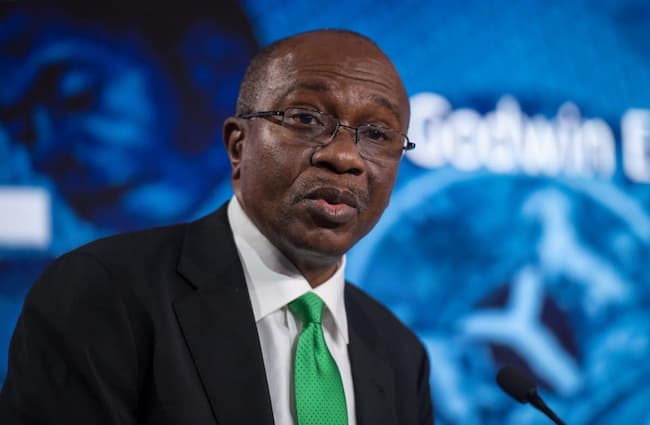
The passport of Godwin Emefiele, the Central Bank Governor who has been placed on leave, has been seized by the Department of State Services. Additionally, it was learned that the service would check Emefiele’s house and workplace this week.
The service detained Emefiele in Lagos and flew him to Abuja on Saturday after suspending him on Friday due to the ongoing investigation into his office and the proposed banking sector reforms.
In a statement, the service’s spokesperson, Peter Afunanya, said Emefiele had been arrested and was being looked into.
A DSS source claimed on Sunday that it was routine practice to detain Emefiele’s travel documents while the inquiry is still ongoing. The source further stated that the suspended CBN governor’s home and office would be searched.
The source said, “Of course, Emefiele’s travel document would be confiscated as part of the standard process pending the conclusion of our investigation. Also, as part of the investigation, his house and office would be searched for documents that can aid the ongoing investigation on his management of the CBN.”
According to our correspondent, additional CBN top directors could be detained or invited for interrogation about their responsibilities in running the central bank.
The DSS may reopen the criminal allegations it previously brought against Emefiele, which are related to fraud and financing terrorism.
Similar allegations of improper management of the CBN subsidiary, the Nigeria Incentive-Based Risk Sharing System for Agricultural Lending, and the Anchor Borrowers Programme were made by the secret police against the suspended CBN boss.
Femi Falana, SAN, a human rights attorney, has meanwhile claimed that the DSS lacked the legal authority to look into and punish Emefiele. Falana suggested that Emefiele be handed over to the Economic and Financial Crimes Commission, which he claimed had the legal authority to bring charges against Emefiele.
He said, a few months ago, the State Security Service made serious accusations against Godwin Emefiele, the governor of the Central Bank of Nigeria, alleging that he had funded terrorism, engaged in money laundering, and committed other economic crimes. The former Buhari administration obstructed the SSS’s attempt to detain Mr. Emefiele, conduct an investigation, and bring charges against him at the relevant period”.
He however stated after Mr. Emefiele was removed from his position as CBN Governor by President Bola Tinubu, the SSS interrogated him in Lagos before transporting him to Abuja yesterday.
Falana further stated, “In the case of Dr. Bukola Saraki v. Federal Republic of Nigeria (2018) 16 NWLR (pt. 1646) 433-434, the Supreme Court ruled that the Economic and Financial Crimes Commission lacked the jurisdiction to investigate and prosecute the defendant for violating the provisions of the Code of Conduct Bureau and Tribunal Act; Senator Saraki was released by the top court primarily because of this reason”.
“The SSS lacks the authority to look into and bring charges against Mr. Emefiele for alleged money laundering and other economic offences, in accordance with the legal basis stated by the Supreme Court in the Saraki case. Therefore, the SSS should transfer Emefiele to the EFCC after looking into his suspected role in financing terrorism”, He continued.
To fund the Rural-Urban Housing Initiative (RUHI-774) projects around the country, the Real Estate Developers Association of Nigeria(REDAN) has acquired N26 billion from Shelter Afrique.
REDAN’s president, Aliyu Wamakko, revealed this during a recent international press conference held in Abuja. He said the most recent development was part of REDAN’s attempt to support government efforts to provide shelter.
According to report, REDAN announced plans to launch a national housing program last year called the Rural-Urban Housing Initiative (RUHI-774). The program’s goal was to build at least 100 housing units in each of the federation’s 774 local government councils, including the Federal Capital Territory.
The Rural-Urban Housing Initiative (RUHI-774), which aims to develop at least 100 housing units in each of the 774 Local Government Councils of the Federation, including the FCT, where feasible and viable, is REDAN’s flagship project for national housing development, according to Aliyu.
“To finance the RUHI-774 projects across the country, we have secured construction finance in the amount of N26 billion from the Pan African Affordable Housing Finance Institution, Shelter Afrique.”
Aliyu continued by pleading with President Bola Tinubu to swiftly sign the Real Estate Regulation and Development Bill into law.
He claimed that doing so will lower unemployment and bring about other positive effects on the country’s economic progress.
He asserts that through standardizing transactions in the industry, the bill will bring about a more uniform approach to real estate development in Nigeria.
“REDAN was the driving force behind the bill’s intention. The Economic and Financial Crime Commission, the Special Control Unit Against Money Laundering, the Independent Corrupt Practices and Other Related Offenses Commission, professional organizations in the built industry, academics from universities, international bodies, etc., provided us with a wealth of information that we used to draft the RECON bill that was presented to the Senate and House of Representatives of the 9th National Assembly.”
“The law will provide a transparent and supportive environment for Nigerian real estate development that is in line with international best practices. Additionally, it will stop criminal acts in Nigeria’s real estate development industry”, Aliyu continued.
Since Nigeria’s transition to democracy in 1999, the exchange rate between the United States Dollar (USD) and the Nigerian Naira (NGN) has experienced significant fluctuations. The exchange rate is a crucial economic indicator that reflects the value of one currency in relation to another. In the case of Nigeria, the exchange rate of the Naira against the US Dollar has been influenced by various factors, including economic conditions, government policies, inflation rates, and market forces. This article aims to explore the journey of the Naira against the Dollar since the country embraced democracy.
In the early years of Nigeria’s democracy, specifically from 1999 to 2007, the exchange rate of the Naira remained relatively stable. During this period, it hovered around $1 to N90. The stability can be attributed to favorable global oil prices, as Nigeria is a major oil exporter. Additionally, the Central Bank of Nigeria (CBN) implemented policies aimed at maintaining stability in the exchange rate.
2008-2016: Depreciation and Economic Challenges
From 2008 onwards, the Nigerian Naira began to face significant challenges. The global financial crisis, declining oil prices, and internal economic issues impacted the country’s exchange rate. The Naira experienced gradual depreciation against the US Dollar during this period. Factors such as limited foreign exchange reserves, increasing inflation rates, and the dependency on oil revenue played a role in the currency’s devaluation.
To combat the depreciation, the CBN implemented various measures, including the introduction of multiple exchange rate regimes, foreign exchange restrictions, and capital controls. These measures aimed to stabilize the Naira and conserve foreign exchange reserves, but they also created a gap between the official exchange rate and the parallel market rate, leading to a thriving black market for foreign currency.
2017-Present: Continued Fluctuations and Parallel Market Premium
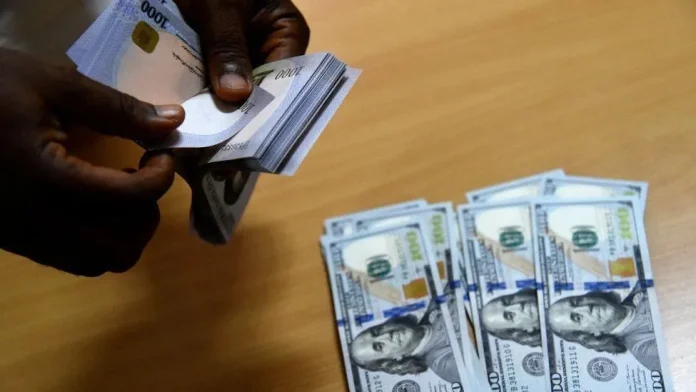
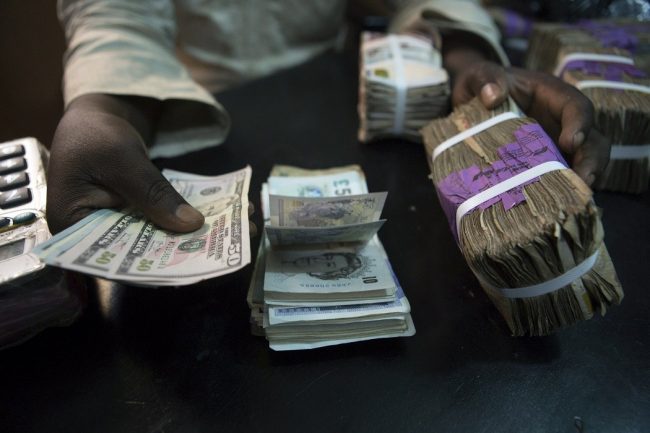
In recent years, the Naira has experienced further depreciation against the US Dollar. The exchange rate in the parallel market last exchanged at ₦765. This depreciation has been attributed to several factors, including low oil prices, dwindling foreign exchange reserves, high inflation rates, and limited diversification of the Nigerian economy.
The parallel market premium, which refers to the difference between the official exchange rate and the parallel market rate, has also widened. This disparity has led to challenges such as increased import costs, inflationary pressure, and a thriving black market for foreign currency. The CBN has made efforts to bridge this gap by implementing policies to improve foreign exchange liquidity, promote investment, and diversify the economy away from oil dependence.
Upshot
Since Nigeria’s transition to democracy in 1999, the exchange rate between the Nigerian Naira and the US Dollar has experienced significant fluctuations. The Naira has faced challenges such as depreciation, widening parallel market premiums, and economic uncertainties. Factors such as low oil prices, limited foreign exchange reserves, inflation rates, and government policies have influenced the currency’s value.
It is important to note that exchange rates are highly volatile and subject to change due to various economic and political factors. To stay updated on the current exchange rate, individuals and businesses are advised to consult reliable financial sources or their respective banks. Furthermore, it is crucial for Nigeria to continue its efforts to diversify the economy, improve foreign exchange liquidity, and implement sound economic policies to foster stability in the exchange rate and promote sustainable economic growth.
According to the data at the FMDQ Security Exchange where forex is traded officially, the dollar to naira exchange rate stood at (undisclosed).
This would mean that the Nigerian currency either gained or lose in value against the United States dollar, as the foreign exchange (forex) trading closed at N462.4 per $1 on Wednesday, June 8.
How much is the dollarto naira at the black market today?
Going by sources at the Bureau De Change (BDC) in Lagos, the dollar to naira last traded between ₦765 in the black market in the state.
It is, however, pertinent to note that the Central Bank of Nigeria (CBN) does not recognise the parallel market (black market), as it has directed individuals who want to engage in forex to approach their respective banks.
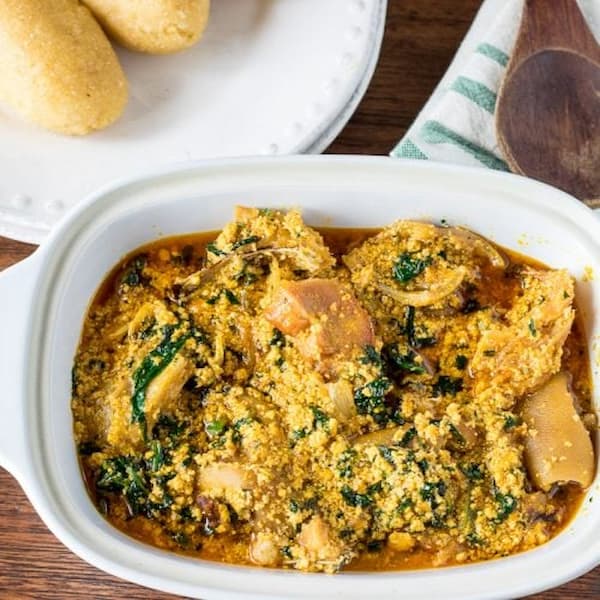
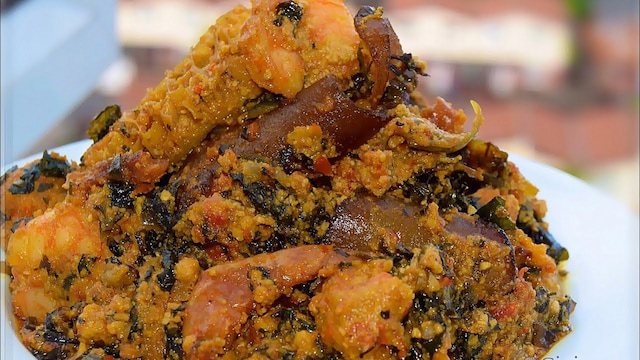
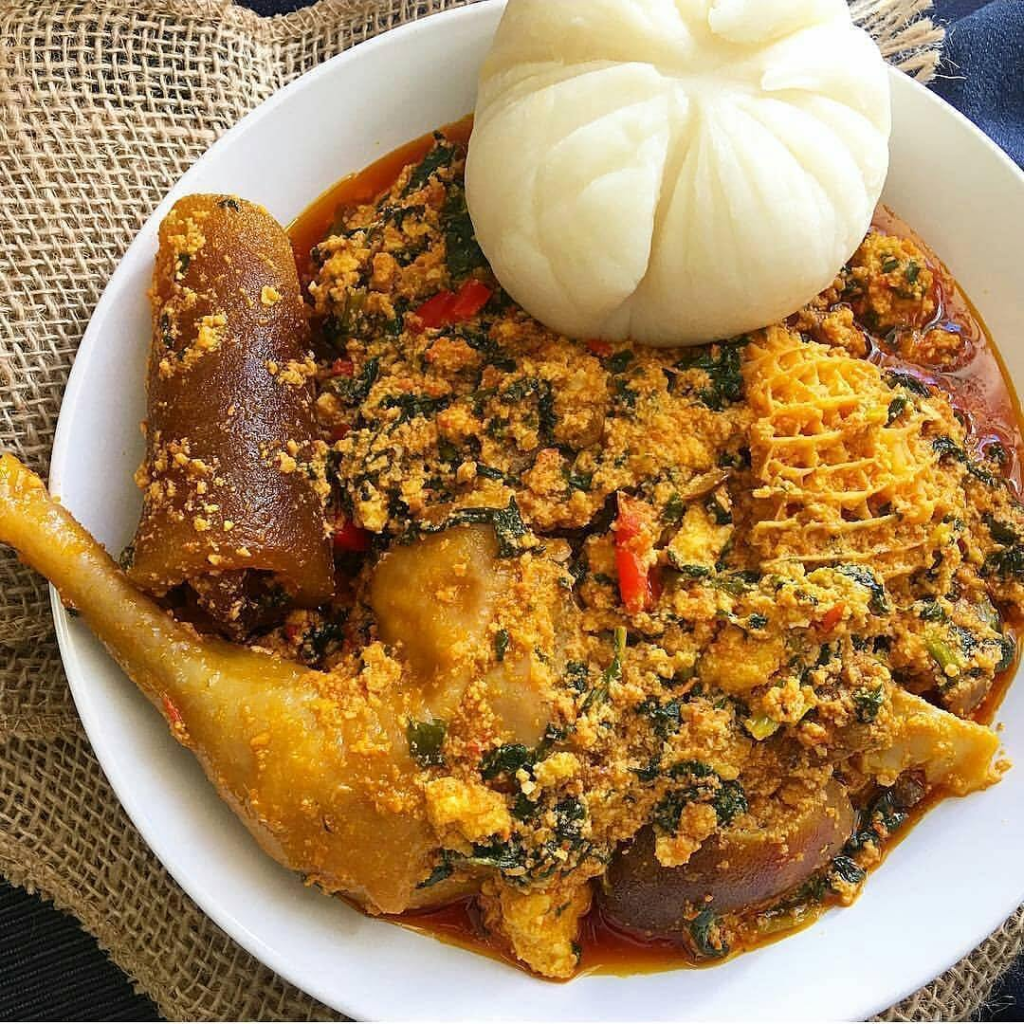
Igbo Egusi soup is a traditional Nigerian dish that is popular among the Igbo people of southeastern Nigeria. This flavorful soup is made with ground melon seeds (Egusi) and a variety of meats and vegetables.
The combination of the rich, nutty flavor of Egusi with the assortment of meats and vegetables creates a delicious and satisfying meal. In this article, we will provide you with a comprehensive guide on how to cook Igbo Egusi soup step by step, allowing you to recreate this delightful dish in your own kitchen.
BizwatchNigeria had once written on how the delicacy is one of the widely known soup in the country, you can read here.
Ingredients and Preparation Igbo Egusi Soup
To prepare Igbo Egusi soup, gather the following ingredients: 2 cups of Egusi (ground melon seeds), assorted meat (such as beef, goat meat, or chicken), assorted fish (dried fish or stockfish), 2 cups of spinach or pumpkin leaves (washed and chopped), 1 medium-sized onion (chopped), 3-4 tablespoons of palm oil, 2-3 tablespoons of ground crayfish, 2-3 stock cubes, fresh pepper (to taste), salt (to taste), and water. Additionally, you may want to prepare your preferred side dish, such as pounded yam or eba, to serve with the soup.
Step 1: Sauté the Onions Begin by heating the palm oil in a large pot over medium heat. Once the oil is hot, add the chopped onions and sauté until they become translucent. This step helps to build a flavorful base for the soup.
Step 2: Add the Assorted Meat and Fish Next, add the assorted meat and fish to the pot. You can use a combination of meats such as beef, goat meat, or chicken, depending on your preference. If using tough meats like beef or goat meat, it is recommended to partially cook them before adding them to the pot. This ensures that they become tender and flavorful as they simmer in the soup.
Step 3: Season and Cook the Meat and Fish Season the meat and fish with salt, stock cubes, and any other desired spices or seasonings. Stir well to coat the meat and fish with the seasoning. Add enough water to the pot to cover the meat and fish, then cover the pot and allow it to cook until the meat is tender and cooked through. This cooking process allows the flavors to meld together, resulting in a delicious broth.
Step 4: Prepare the Egusi Paste While the meat and fish are cooking, it’s time to prepare the Egusi paste. In a separate bowl, mix the ground Egusi with a little water to form a thick paste. This paste will be added to the soup later on, giving it a rich and creamy texture.
Step 5: Add the Egusi Paste to the Soup Gradually add the Egusi paste to the pot, stirring continuously to prevent lumps from forming. Reduce the heat to low and let it simmer for about 5 minutes. The Egusi paste will thicken the soup and infuse it with its distinctive nutty flavor. Be sure to stir consistently to achieve a smooth and even consistency.
Step 6: Enhance the Flavor Add the ground crayfish and fresh pepper to the pot. The ground crayfish adds a depth of flavor to the soup, while the fresh pepper provides a spicy kick. Adjust the seasoning if needed, ensuring that the flavors are well balanced.
Step 7: Incorporate the Vegetables Allow the Egusi soup to cook for another 5 minutes, stirring occasionally to prevent sticking. Finally, add the chopped spinach or pumpkin leaves to the pot. Stir well to incorporate the leaves into the soup. The vibrant green color of the vegetables adds freshness and nutritional value to the dish. Allow the soup to simmer for a few more minutes until the leaves are wilted and cooked.
Step 8: Adjust the Seasoning Take a moment to taste the soup and adjust the seasoning if necessary. You can add more salt, stock cubes, or fresh pepper according to your preference. Remember that the key to a delicious Igbo Egusi soup is a well-balanced combination of flavors.
Step 9: Serve and Enjoy Once the soup has reached your desired taste and consistency, it is ready to be served. Ladle the hot Egusi soup into bowls and pair it with your preferred side dish such as pounded yam, eba, or any other fufu/swallow of your choice. The soft and smooth texture of the swallow complements the thick and flavorful Egusi soup, creating a satisfying and nourishing meal.
Swallow: The Perfect Companion for Egusi Soup
Cooking Igbo Egusi soup is a delightful journey that combines the richness of ground melon seeds (Egusi) with an assortment of meats, vegetables, and aromatic spices. The result is a flavorful and hearty dish that is cherished in Igbo cuisine. By following the step-by-step guide outlined in this article, you can recreate this traditional Nigerian delicacy in your own kitchen. So, gather the ingredients, let the aromas fill your home, and indulge in the wonderful flavors of Igbo Egusi soup. Enjoy the warmth, the taste, and the cultural experience it brings.
When it comes to enjoying Igbo Egusi soup, one cannot overlook the importance of a well-chosen accompaniment. In Igbo cuisine, swallow is the traditional and preferred choice. Swallow refers to a variety of Nigerian starchy dishes made from different flours, such as yam, cassava, plantain, or cornmeal. These soft and dough-like foods are designed to be rolled into balls and dipped into the flavorful Egusi soup, creating a harmonious and satisfying culinary experience.
One of the most popular swallows to pair with Igbo Egusi soup is pounded yam. This delicacy is made by boiling yam tubers until they are soft and then pounding them to a smooth and stretchy consistency. The resulting pounded yam is elastic and can be easily shaped into small balls that can be dipped into the soup. Its mild flavor and dense texture complement the nuttiness of the Egusi soup, providing a delightful contrast.
Another excellent option is eba, which is made from cassava flour. To prepare eba, cassava flour is mixed with hot water until it forms a smooth, dough-like texture. The eba is then rolled into balls or shaped into a mound on the plate, ready to be dipped into the soup. Eba has a slightly tangy taste and a firmer texture compared to pounded yam, making it a popular choice for those who prefer a heartier swallow.
No matter which swallow you choose, the process of rolling the dough into a ball and scooping up the soup with each bite adds an interactive element to the meal. This communal way of eating encourages conversations, bonding, and sharing among family and friends, making the dining experience even more enjoyable.
When you savor a bowl of Igbo Egusi soup, don’t forget to pair it with the perfect swallow. Whether it’s the soft and stretchy pounded yam or the hearty and tangy eba, the combination of the flavorful soup and the chosen swallow creates a symphony of tastes and textures. So, gather your loved ones, indulge in the warmth and richness of Igbo Egusi soup, and relish the pleasure of dipping your chosen swallow into this traditional Nigerian delight.
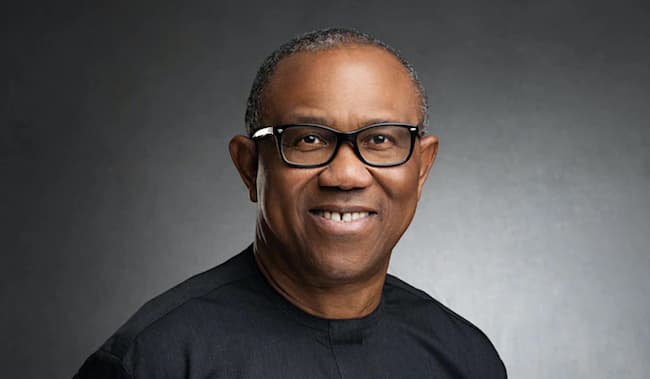
Peter Obi, the Labour Party’s (LP) presidential candidate, says he will not back down in his campaign to offer Nigerians the leadership they deserve.
Obi said in a statement for Democracy Day that Nigerians should be encouraged to correct the mistakes of the 2023 elections.
According to the LP candidate, despite being under military rule, Nigerians indicated their unequivocal choice for true democracy on June 12, 1993, and chose a transparent voting system.
“Our votes reflected our true choice as a people. Our choice on that day defied divisions of ethnicity, religion, and region,” Obi said.
“It is these qualities that added up to make June 12 special in our search for true democracy.
“However, the current state of our politics tells a different story. Our democracy is deeply troubled while our nation’s destiny remains uncertain and precarious.
“We remain a nation in search of solutions to too many basic problems. One of these is the search for a credible electoral system that would command the trust, confidence, and belief of all Nigerians just like June 12 did.
“We should, therefore, use the commemoration of June 12 as an occasion to return to the true virtues of a truly democratic nation. We achieved that feat on June 12, 1993.”
He stated that Nigeria requires an electoral system that commands the faith of the people.
“This is in recognition of the tenets and core values of democracy, which rest on respect for the wishes of the people as expressed in their ballots,” Obi said.
“Above all, the government must respect and protect the institutions of the democratic state by respecting the social contract with the people by meeting their needs, obeying their wishes, and fulfilling the responsibilities of responsible governance as contained in the constitution.
“A cardinal responsibility of government in this regard is respect for the rule of law.”
He stated that Nigeria is living in an era in which “prevalent impunity, pervasive violence, and bloodletting” are undermining the core pillars of democracy.
“The trust gap between leaders and Nigerians continues to grow.” The trust and efficiency inadequacies in our recent elections clearly reveal this ailment.”
Obi advised Nigerians not to lose faith in “our democratic system’s inherent ability to self-correct.”
He underlined his dedication and conviction that a new Nigeria is feasible, saying that the desire of Nigerians for a nation of equity, justice, security, and peace is attainable.
“We are a nation blessed richly with human and natural resources,” he said.
“What we lack, are selfless leaders who are committed to the national interest, sustainable development, and innovative thinking that offers every Nigerian irrespective of ethnicity, religion, or social strata, the freedom of choice of abode, and protection of lives, property, and ordered liberties.
“These aspirations are real and achievable, and I hereby reiterate my promise to Nigerians that we will not relent in our fight to bring about leadership that will accord them the priority they deserve.”
On Sunday, the former minister said this during a program on Arise TV which was monitored by BizWatch Nigeria.
“It is their own marketing strategy as equity partners that they came to do this unveiling on a special allowance which is called a chartered flight,” the former minister said.
“Chartered does not mean they paid for it. If there is anybody that paid for it, it would have been the Ethiopian Airlines. No penny is paid.
“It was the owners of Nigeria Air, the consortium of the federal government (five percent) that decided to do the unveiling as part of their marketing strategy.
“So it is not the government that was doing the unveiling to start the operations. Not at all. It was them who did it and I was invited.”
Sirika dismissed charges that the national carrier’s debut was cloaked in secrecy, calling the claims “mind-boggling and disturbing.”
“During the procurement stage, this airline was advertised in the Economist and national dailies.” “There was also a bidding process, and members of the Airline Operators of Nigeria (AON) were present at the bidding conference,” he explained.
Meanwhile, Sirika stated that the government has spent over N3 billion over the last seven years to ensure that the airline is functioning.
“All of the monies voted for the national carrier in 2016, 2017, 2018, 2019, 2020, 2021, 2022, and 2023 totaled N5 billion, but all that was released was in the neighborhood of N3 billion — not N85 billion,” he claimed.
5% stake
According to the former aviation minister, Nnaji Nnolim, the former chairperson of the House Committee on Aviation, informally demanded a 5% interest in Nigeria Air.
“He (Nnaji) asked to give him five percent of Nigeria Air to carry him along with his people, and I said to him at that time that honourable, this is a bidding process that has taken place, and some people won. So, I think you should go to those people and ask for the five percent,” Sirika said.
“I want to assure you that at that point, even the five percent held by the federal government will go to market. So he should get his money ready and buy for him and his people, according to him.”
When asked to clarify what “his people” meant, the former minister said Nnaji could be referring to anybody — not necessarily other members of the lower chamber.
“He said he wants him and his people. His people could be his family, members and it could be leadership. I did not know what this meant, but he said he and his people needed five percent. I am saying that he should relax and approach the owners. That’s exactly what I told him in camera,” he said.
In addition, the former minister chastised Nnaji and the aviation committee for holding a “predetermined hearing.”
“I was a member of the house of reps 20 years ago; 10 years ago, I was a senator. I know how the workings are. He called for a public hearing. And right after the public hearing, he just turned the paper and read the riot act,” he said.
“The practice in the national assembly is that after hearing people and the complaints, you sit down as a committee. The clerks will do their job, you will then sit down to discuss the issues, raise them, approach the whole house of reps and take position of the house plus leadership and come back and make your findings known; but you do not immediately read the riot act out. It means it is predetermined.”
Unveil of Nigeria Air
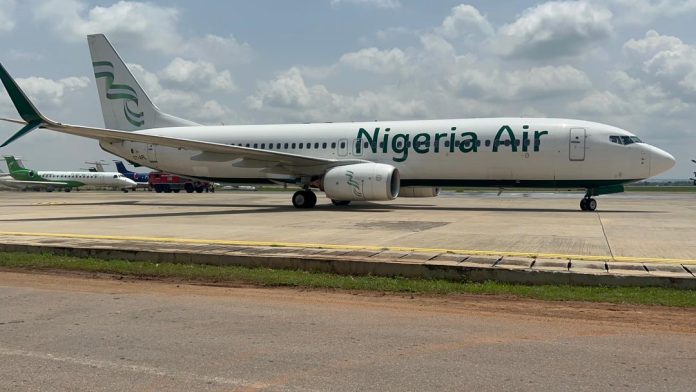
Nigeria Air, which has a 49 percent ownership structure held by Ethiopian Airlines, a 46 percent ownership structure held by Nigerian private investors (SAHCO, MRS, and other institutional investors), and a five percent ownership structure held by the federal government, was unveiled about three days before the end of former President Muhammadu Buhari’s administration.
In response to the debut, the House of Representatives Committee on Aviation criticized the procedure that led to the introduction of Nigeria Air, calling it a “fraud.”
Dapo Olumide, CEO of Nigeria Air, testified before the committee that the aircraft utilized for the national carrier’s unveiling was a chartered flight from Ethiopian Airlines.
Sirika agreed with Olumide, saying that while the jet was hired, the government was not liable for paying for the flight.
He explained that the debut of the single aircraft was part of the Nigeria Air partners’ marketing strategy, and that the national carrier will start operations once the Air Operator Certification (AOC) process was finished.
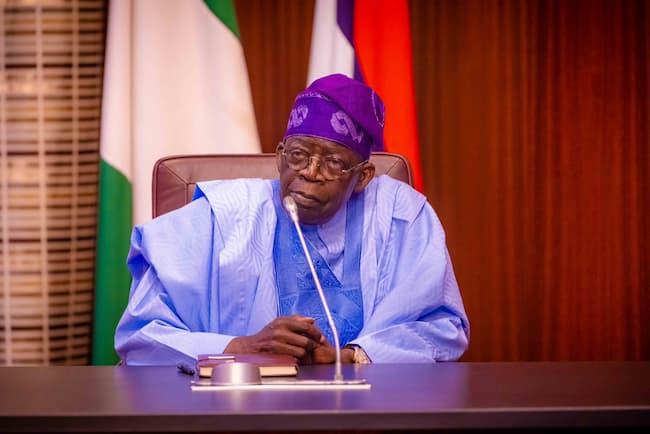
On Monday, June 12, President Bola Tinubu delivered his first presidential address to Nigerians commemorating 2023 Democracy Day.
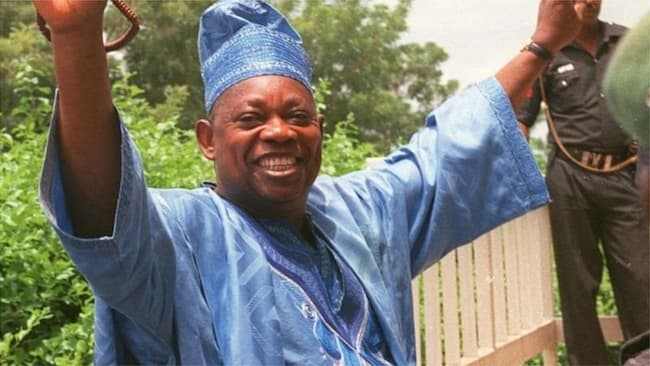
Democracy Day is observed each year on June 12 in honor of the late Chief Moshood Kashimawo Olawale (MKO) Abiola, victor of the June 12, 1993 presidential election, and other democratic heroes.
In his inaugural address to Nigerians on Monday, Nigeria’s newly inaugurated President stated that the heroes of democracy paid the supreme price for the country’s current successes.
Tinubu stated that the 2023 general elections would demonstrate that democracy is alive and well in Nigeria.
The beauty of democracy, he says, is that winners today can lose tomorrow and losers today can win elections tomorrow.
President Tinubu’s Full Speech
1. Fellow Nigerians,
2. It is exactly three decades today that Nigerians went to the polls to exercise their inalienable right to elect a President of their choice to lead the transition from military dictatorship to a representative government of the people.
3. The abortion, by military fiat, of the decisive victory of Chief Moshood Kashimawo Olawale Abiola of the defunct Social Democratic Party (SDP) in the June 12, 1993, presidential election, up to that time, the fairest and freest election in the country’s political evolution, turned out, ironically, to be the seed that germinated into the prolonged struggle that gave birth to the democracy we currently enjoy since 1999.
4. In rising to strongly oppose the arbitrary annulment of the will of the majority of Nigerians as expressed in that historic election, the substantial number of our people who participated in the struggle to de-annul the election signified their fierce commitment to enthroning democracy as a form of government that best ennobles the liberty, the dignity of the individual and the integrity as well as the stability of the polity.
The fierce opposition to the annulment of the June 12, 1993 presidential election and the unrelenting pro-democracy onslaught it unleashed was the equivalent of the battle against colonial rule by our founding fathers that resulted in the gaining of Nigeria’s independence in 1960.
5. Just like the anti-colonial movement, the pro-June 12 vanguard demonstrated, once again, the enduring validity of the 19th century historian, Arnold Toynbee’s eternal postulation, that civilization and societies experience progress as they are forced to respond to challenges posed by the environment.
The unjust annulment of a widely acknowledged free and fair election was a challenge that elicited resistance by a resurgent civil society, leading ultimately to the attainment of our ‘second independence’ as exemplified by the return of democratic governance in 1999.
6. Fellow compatriots, we celebrate a day that has remained a watershed in our nation’s history, not just today, but for every June 12, for the endless future that our beloved country shall exist and wax stronger and stronger, generations of Nigerians will always remind themselves that the democracy that is steadily growing to become the defining essence of our polity was not gifted to us on a silver platter.
7. We can easily recall the sacrifice and martyrdom of Chief MKO Abiola, the custodian of the sacred mandate that was so cruelly annulled. He sacrificed his life in unyielding, patriotic defense of the ideals of democracy as symbolized in his choice, by his fellow countrymen and women, as their duly-elected President.
There was an easier choice for him. It was to forgo the justice of his cause and opt for the path of ease and capitulation in the face of the tyranny of power. To his eternal credit and immortal glory, Abiola said no.
He demonstrated the time-tested eternal truth that there are certain ideals and principles that are far more valuable than life itself.
8. Everyday, on this day, down the ages we will recall the several other heroes of democracy such as Kudirat Abiola, wife of Chief Abiola, who was brutally murdered while in the trenches fighting on the side of the people.
We remember Pa Alfred Rewane, one of the heroes of our independence struggle and Major General Shehu Musa Yar’Adua (rtd) who were silenced by the military junta while in pursuit of democracy. They gave their yesterday for the liberty that is ours today.
9. The point is that we must never take this democracy for granted. We must forever jealously guard and protect it like a precious jewel. For, a people can never truly appreciate the freedoms and rights democracy guarantees them until they lose it.
10. We have traversed the dark, thorny path of dictatorship before and those who experienced it can readily testify to the unbridgeable gap between the dignity of freedom and the humiliation and degradation of tyranny. True, rancorous debates, interminable wrangling, ceaseless quarrels, bitter electoral contestations may be perceived by some as unattractive features of democracy. But they also testify to its merit and value.
11. This year, we held the seventh in the cycle of elections that have become sacred rituals of our democratic practice in this dispensation since 1999.
12. That the polls were intensely contested is in itself positive evidence that democracy is well and alive in our land. It is only natural that even as those who won and experienced victory in the various elections are elated and fulfilled, those who lost are disenchanted and disappointed.
But the beauty of democracy is that those who win today can lose tomorrow and those who lose today will have an opportunity to compete and win in the next round of elections.
13. Those who cannot endure and accept the pain of defeat in elections do not deserve the joy of victory when it is their turn to triumph. Above all, those who disagree with the outcome of the elections are taking full advantage of the constitutional provisions to seek redress in court and that is one of the reasons why democracy is still the best form of government invented by man.
14. For Chief MKO Abiola, the symbol of this day, in whose memory June 12 became a national holiday, democracy is eternal.
15. It is about rule of law and vibrant judiciary that can be trusted to deliver justice and strengthen institutions. It has become imperative to state here that the unnecessary illegal orders used to truncate or abridge democracy will no longer be tolerated.
16. The recent harmonization of the retirement age for judicial officers is meant to strengthen the rule of law, which is a critical pillar of democracy. The reform has just started.
17. The democracy that will yield right dividends to the people who are the shareholders means more than just freedom of choice and right to get people into elective offices. It means social and economic justice for our people. To the winner of June 12, democracy offers the best chance to fight and eliminate poverty.
Thirty years ago, he christened his campaign manifesto, ‘Farewell to Poverty’ because he was convinced that there is nothing divine about poverty. It is a man-made problem that can be eliminated with clearly thought out social and economic policies.
18. It is for this reason that, in my inauguration address on May 29, I gave effect to the decision taken by my predecessor-in-office to remove the fuel subsidy albatross and free up for collective use the much-needed resources, which had hitherto been pocketed by a few rich.
I admit that the decision will impose extra burden on the masses of our people. I feel your pain. This is one decision we must bear to save our country from going under and take our resources away from the stranglehold of a few unpatriotic elements.
19. Painfully, I have asked you, my compatriots, to sacrifice a little more for the survival of our country. For your trust and belief in us, I assure you that your sacrifice shall not be in vain.
The government I lead will repay you through massive investment in transportation infrastructure, education, regular power supply, healthcare and other public utilities that will improve the quality of lives.
20. The democracy MKO Abiola died for is one that promotes the welfare of the people over personal interests of the ruling class and one where the governed can find personal fulfillment and happiness. That is the hope MKO Abiola ignited throughout our country in 1993.
21. On this year’s Democracy Day, I enjoin us all to rededicate ourselves to strengthening this form of government of free peoples that has been our guiding light these past 24 years.
In particular, those of us who have been privileged to be elected into public offices at various levels in both the executive and legislative arms of government must recommit ourselves to offering selfless service to the people, and delivering concrete democracy dividends in accordance with our electoral promises.
22. On my part and that of my administration, I pledge anew our commitment to diligently fulfilling every component of our electoral pact with the people – the ‘Renewed Hope’ agenda.
23. We shall be faithful to truth. Faithful to equity. And faithful to justice. We shall exercise our authority and mandate to govern with fairness, respect for the rule of law, and commitment to always uphold the dignity of all our people.
24. On this note, I wish us all a happy Democracy Day celebration and pray that the light of liberty shall never be extinguished in our land.
25. Thank you all and may God continue to bless the Federal Republic of Nigeria.
The Socio-Economic Rights and Accountability Project (SERAP) has sued President Bola Ahmed Tinubu for “failure to investigate allegations that $2.1 billion and ₦3.1 trillion in public funds from oil revenues and budgeted as fuel subsidy payments are missing and unaccounted for between 2016 and 2019.”
SERAP Deputy Director, Kolawole Oluwadare, said in a statement on Sunday that the suit followed the dismal claims revealed by the Auditor-General of the Federation in the 2016 and 2019 annual reports that public funds are missing.
SERAP is seeking: “an order of mandamus to direct and compel President Tinubu to promptly probe allegations that USD$2.1 billion and ₦3.1 trillion public funds are missing and unaccounted for between 2016 and 2019.”
“In the suit number FHC/L/CS/1107/23 filed last Friday at the Federal High Court in Lagos, the group also seeks “an order of mandamus to compel President Tinubu to direct the anti-corruption agencies to promptly probe fuel subsidy payments made by governments since the return of democracy in 1999, name and shame and prosecute suspected perpetrators, and to recover any proceeds of crimes.”
It further requests that the court require President Tinubu to utilize any seized proceeds of crime as palliatives to alleviate the impact of subsidy reduction on poor Nigerians, as well as to establish procedures for transparency and accountability in the oil sector.
“The allegations that US$2.1 billion and ₦3.1 trillion of public funds are missing and unaccounted amount to a fundamental breach of national anticorruption laws and the country’s international obligations including under the UN Convention against Corruption to which Nigeria is a state party,” the statement read.
“The Tinubu government has constitutional and international legal obligations to get to the bottom of these allegations and ensure accountability for these serious crimes against the Nigerian people.”
According to SERAP, directing and obliging President Tinubu to immediately investigate, name and humiliate the culprits, and bring them to justice, as well as recover any missing public funds, would promote Nigerians’ right to restitution, compensation, and the guarantee of non-repetition.
“Allegations of corruption in fuel subsidy payments suggest that the poor have rarely benefited from the use and management of the payments,” according to the group.
According to the action filed on behalf of SERAP by its lawyers, Kolawole Oluwadare, Ms Adelanke Aremo, Ms Valentina Adegoke, and Ayomide Johnson, “there will be no economic growth or sustainability without accountability for the human rights crimes.”
President Bola Tinubu praised the winner of the June 12, 1993 presidential election, Chief MKO Abiola, on Monday.
He characterizes the late businessman, who died in strange circumstances after his victory was nullified by the late Gen. Sani Abacha, as a martyr who advocated for “principles that are far more valuable than life itself.”
Tinubu made the remarks during his first Democracy Day message to Nigerians as President, which aired on NTA at 7:00 a.m. on Monday.
He said “We can easily recall the sacrifice and martyrdom of Chief MKO Abiola, the custodian of the sacred mandate that was so cruelly annulled. “He sacrificed his life in unyielding, patriotic defence of the ideals of democracy as symbolised in his choice, by his fellow countrymen and women, as their duly-elected President. “There was an easier choice for him. It was to forgo the justice of his cause and opt for the path of ease and capitulation in the face of the tyranny of power. To his eternal credit and immortal glory, Abiola said no.
“He demonstrated the time-tested eternal truth that there are certain ideals and principles that are far more valuable than life itself.” The President also acknowledged the sacrifices of other Nigerians who, he said, participated in the struggle to enthrone democracy and paid the ultimate price in the process. “Every day, on this day, down the ages we will recall several other heroes of democracy such as Kudirat Abiola, wife of Chief Abiola, who was brutally murdered while in the trenches fighting on the side of the people. “We remember Pa Alfred Rewane, one of the heroes of our independence struggle and Major General Shehu Yar’Adua (retd) who were silenced by the military junta while in pursuit of democracy. “They gave their yesterday for the liberty that is ours today,” he said.
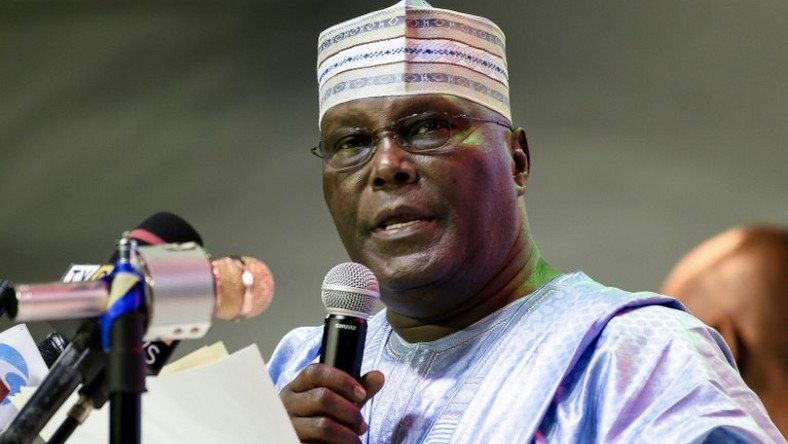
Former Vice President Atiku Abubakar stated that democracy in Nigeria remains enslaved and that it will need the combined efforts of all Nigerians to free it.
The Peoples Democratic Party (PDP) presidential candidate for the February 25, 2023 election said in a statement posted on Sunday that the ruling class must cease influencing election outcomes.
Atiku stated that Democracy Day is an opportunity for Nigerians to reflect on the country’s journey toward being a democratic society.
He said “Democracy without a corresponding commitment to the principles of fairness and fidelity to the rule of play by stakeholders in the processes of conducting elections still leaves the people prostrate to tendencies of dictatorship.
“For our democracy to be fully fledged, it must constantly evolve away from the current practice where the governing elite determines the outcome of elections.”
According to Atiku, much work remains to be done in the advancement of Nigeria’s democracy.
“Democracy and the process of democratization is a constant work in progress. While what we celebrate today is a return to civil rule in Nigeria, the desire to make our democracy self-sustaining and independent of anti-democratic elements is the new frontier of participation by all democrats.
“The challenge ahead of us and the future of our democracy will rely heavily on what we do or fail to do today,” he stated.
“As I congratulate Nigerians on this day, in celebration of return to civil rule, I also call our consciousness to the reality that democracy in Nigeria remains in bondage and it will need the energy of all of us to rescue it.”
Femi Falana, a human rights lawyer and Senior Advocate of Nigeria (SAN), has encouraged the Department of State Services (DSS) to appropriately manage the case involving the suspended Governor of the Central Bank of Nigeria (CBN), Godwin Emefiele, in order to avoid a mishandled investigation.
Falana said in a statement on Sunday that the secret police should pursue Emefiele for alleged terrorism financing, which falls under its competence, and give him over to the Economic and Financial Crimes Commission (EFCC) for prosecution on suspicion of money laundering and other fraud charges.
BizWatch Nigeria recalls that President Bola Tinubu on Friday suspended Emefiele as governor of the top bank and directed that the bank’s Deputy Governor of Operations, Folashodun Shonubi, take over as acting governor.
Falana advised the secret police on Sunday not to complicate the case involving the suspended CBN governor by pursuing him for alleged money laundering and economic crimes, which fall under the purview of the EFCC.
He recommended that the DSS investigate Emefiele for alleged terror financing and that he be sent to the EFCC for prosecution for alleged money laundering.
Falana said, “A few months ago, the State Security Service (SSS) levelled grave allegations of terrorism financing, money laundering, and other economic crimes against Mr. Godwin Emefiele, the Governor of the Central Bank of Nigeria (CBN).
“At the material time, the attempt by the SSS to arrest, investigate, and prosecute Mr. Emefiele was frustrated by the erstwhile Buhari administration.
“However, following the suspension of Mr. Emefiele as the Governor of the CBN by President Bola Tinubu, the SSS quizzed him in Lagos and flew him to Abuja yesterday
“. According to media reports, the investigation of the suspect by the SSS has commenced. Even though the SSS which initially denied the arrest has since turned round to admit that Mr. Emefiele is in its custody.
“In the case of Dr. Bukola SarakI v. Federal Republic of Nigeria (2018) 16 NWLR (pt. 1646) 433-434, the Supreme Court ruled that the Economic and Financial Crimes Commission lacks the vires to investigate and prosecute the appellant for the breach of the provisions of the Code of Conduct Bureau and Tribunal Act. It was for that principal reason that Senator Saraki was freed by the apex court.
“In line with the principle of law enunciated by the apex court in Saraki’s case the SSS lacks the power to investigate and prosecute Mr. Emefiele in respect of allegations of money laundering and other economic crimes.
“Therefore, after investigating the alleged involvement of Mr. Emefiele in terrorism financing the SSS should transfer him to the EFCC for the purpose of investigating the allegations of money laundering and allied offences.
“Otherwise, the investigation of the case will be bungled by the SSS!”
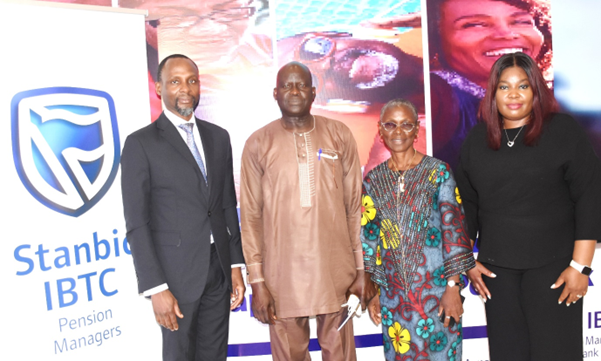
L-R: Olumide Oyetan, Chief Executive, Stanbic IBTC Pension Managers; Apagu N Thliza, Department of Chemistry, Federal College of Education, Pankshin, Plateau State; Lydia Mark Julson, Head of Housing Unit, University of Jos and Yinka Johnson, Head, Business Development, Stanbic IBTC Pension Managers during the 2023 pre-retirement seminar for retirees
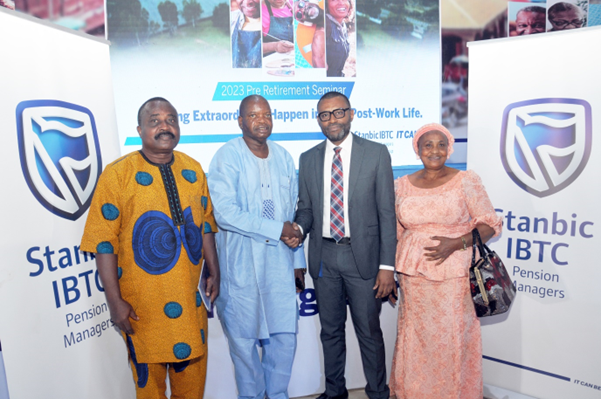
Stanbic IBTC Pension Managers Limited, a subsidiary of Stanbic IBTC Holdings PLC, recently organised a series of pre-retirement seminars in three states across the federation – namely Edo, Plateau and Oyo States, from 11 May to 25 May, 2023.
At these seminars, the esteemed customers of the organisation received valuable knowledge on effective early retirement planning and investment strategies.
Themed “Making Extraordinary Happen in Your Post-Work Life,” the seminars served as a platform to empower individuals with essential tools and information necessary for a comfortable and worry-free retirement. The event attracted a diverse audience eager to learn about securing their financial future post-work life.
Olumide Oyetan, Chief Executive, Stanbic IBTC Pension Managers, highlighted the objectives of the seminars which include preparing retirees for retirement, education of pension fund contributors on various topics such as application procedures, retirement documentation, and other pension-related matters. This initiative reflects Stanbic IBTC’s ongoing commitment to providing clients with exceptional value.
According to Oyetan, “The pre-retirement seminar series is a step in the right direction towards empowering pension contributors to make informed decisions, prepare for life after work, and retire well. The engagement and interaction from highly engaged attendees testify to the value we deliver to our clients.”
During the seminar, Dr Sylvanus Jatto, Medical Consultant, Stanbic IBTC Pension Managers, gave a health talk on nutrition and lifestyle changes to be adopted to prepare attendees for a healthy and wealthy retirement. He charged the soon-to-be retirees on prioritising their health at retirement.
Nike Bajomo, Executive Director, Business Development, Stanbic IBTC Pension Managers, emphasised the importance of making prudent financial choices in retirement. Bajomo highlighted that individuals who start saving for retirement early are more likely to accumulate a substantial amount in their retirement savings accounts (RSA) over time, providing a solid basis for their retirement. However, individuals who delay retirement planning can still achieve financial security with careful preparation and voluntary contributions.
“As an organisation, we have established this pre-retirement workshop to support the goals of pension contributors who are working hard to retire safely,” Bajomo said.
Bajomo reiterated Stanbic IBTC Pension Managers’ commitment to helping customers retire well and encouraged them to take full advantage of the available resources and information during and after the seminar.
L-R: Bababunmi Sodipe, Pension Desk Officer, Federal University of Agriculture, Abeokuta; Olayiwola Abimbola, Deputy Bursar, University of Ibadan; Charles Emelue, Executive Director, Operations, Stanbic IBTC Pension Managers and Mopelola Oso, Deputy Registrar, Federal College of Education, Oyo State during the 2023 pre-retirement seminar for retirees organised by Stanbic IBTC Pension Managers in Ibadan, Oyo State.
Clearing agents have expressed fear that the removal of fuel subsidies would lead to a 100 per cent increase in clearing costs.
The agents, in separate chats with our correspondent in Lagos on Tuesday, said they had started recording the increase in costs, especially in terms of logistics.
The Ports & Terminal Multipurpose Limited Chapter Chairman of the National Association of Government Approved Freight Forwarders, Thomas Alor, admitted that though activities in the sector had been low for some time, it would be worst in the coming months if nothing is done to address the issue of fuel subsidy removal.
He said, “Before now, clearing work has been low; there has been a drop of about 40 per cent in importation. In as much as we can’t say the problem with clearing is the fuel subsidy removal because it has not been long since the issue of subsidy came on board. But what I know is that it will affect the cost of clearing, the cost of transportation, and the high cost of diesel and petrol because transporters have already increased their fares.
“For instance, where trucks usually go for like N300,000 may likely go up to like N400,000- N500,000 because the increment in petrol is more than 100 per cent. Before now, fuel was N180 per litre. It has risen to N488 per litre upwards. So, the fuel subsidy removal will cause an increase in the clearing cost, talking about logistics costs. In terms of logistics, transportation, movement of the cargoes and people coming to work it is going to cost about 100 per cent increase in the cost.”
Corroborating Alor, a former Apapa Chapter Secretary of the Association of Nigerian Licensed Customs Agents, Frank Obiekezi, said the removal of fuel subsidy would cause a significant increase in clearing costs in terms of transportation and other costs.
“Now as we speak, transporters have reviewed the costs of hiring their trucks. For instance, from Tincan port to Apapa that we formerly pay between N150,000 and N170, 000 is now N230,000. So, it is going to affect all aspects of clearing. Even the other manual labourers we used to work with apart from dockworkers, all of them have increased their prices too. For transport, it is about a 200 per cent increase within the terminal for most of them. And the funniest thing is that they will ask you to do a transfer. They don’t collect cash anymore,” he said.