







Home Blog Page 583

International Partnership Combines AI With Real-world Experience To Boost Nigerian Health System

International Partnership Combines AI With Real-world Experience To Boost Nigerian Health System

Nigeria’s overburdened health system is getting a major boost from powerful Artificial Intelligence (AI) technology through a new international health partnership.

Vantage Health Technologies an international health technology provider – part of the BroadReach Group – is teaming up with Nigeria’s Network for Health Equity and Development (NHED) a public health and development non-profit organisation.

NHED harnesses the power of AI and long-term in-country contextual expertise in health advocacy to build strong governance and health systems across Nigeria’s public health system.

The Nigeria health system is overburdened and resource-constrained resulting in poor health outcomes. Nigeria experiences a high prevalence of HIV, TB, and Malaria, ranking fourth worldwide in terms of HIV burden, accounting for 35% of cases in East and West Africa. Additionally, Nigeria ranks sixth globally in contributing to TB cases, comprising 4% of total TB cases worldwide.

Moreover, Nigeria faces the highest malaria burden globally, with an estimated 51 million cases annually, representing approximately 30% of Africa’s total malaria burden. To address these challenges, the partnership between NHED and Vantage plays a crucial role in providing the necessary support to enhance the efficiency and effectiveness of the healthcare system, its managers, and workforce within the available resources.

Vantage’s AI-powered solutions specifically help health organisations achieve cost and operational efficiencies, improved organisational performance and better health outcomes through “next best action” workflows to empower healthcare workers at all levels with deep experience in HIV, TB, malaria and other related diseases treatment and care.

NHED, in turn, specialises in delivering high-impact public health advocacy, governance and primary health system interventions across the continent. Specifically, within Nigeria, they have driven successful interventions across nutrition and primary healthcare programmes.

“Together, we’ll bring new efficiencies into the Nigerian public health system, to overcome challenges in health service delivery, workforce empowerment, patient retention, data interoperability, health information management and data-driven leadership,” says Paul Bhuhi, Managing Director of Vantage Health Technologies.

“Vantage offers proven AI-driven, data-centric, technology-enabled solutions and innovation that empowers human action. Our goal is to enable public health systems to achieve Universal Health Coverage by 2030.

“We believe this is possible in Nigeria too. Through our health systems approach, this partnership and its unique combination AI-enabled technology, deep contextual knowledge and expertise in health leadership and governance, can help address healthcare system challenges with speed and agility,” says Bhuhi.

Dr Emmanuel Sokpo, Managing Director of NHED, says: “Our combined experience, local knowledge and relationships with the government of Nigeria enable us to offer high impact technical assistance and best-in-class, AI-driven, technology-enabled solutions.

“Our expertise and solutions bring about organisational change, improved performance, and better program, population, and individual health outcomes. We are excited to see the impact that this joint effort will make in Nigeria – not only for health administrators and caregivers, but most importantly their patients, the people of Nigeria.”

To introduce this powerful partnership, a round table event on “Technology enabled Health Systems Strengthening” is being co-hosted by the partnership on 20 July in Abuja, for high-level government, donor and private sector health stakeholders.
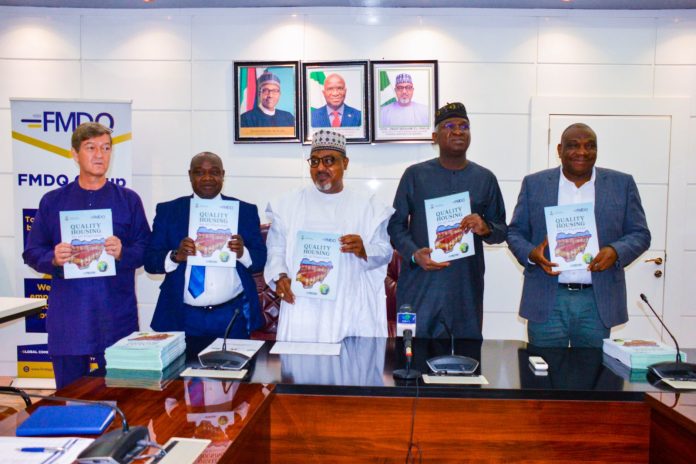

Ministry Of Works And Housing, FMDQ And OVP Launch 10-Year National Housing Strategy Blueprint

Ministry of Works and Housing, FMDQ and OVP Launch a 10-Year National Housing Strategy Blueprint to Provide Quality Housing for Nigerians
Left to Right – Dr. Andrew Nevin, Partner and Chief Economist, PricewaterhouseCoopers Nigeria; Mr. Emmanuel Etaderhi, Senior Vice President, Government & Regulatory Relations, FMDQ Group PLC; Mr. Umar El-Yakub, Minister of State, Federal Ministry of Works and Housing; Mr. Babatunde Raji Fashola, SAN, CON, Honourable Minister, Federal Ministry of Works and Housing; and Engineer Folorunso Esan, Director overseeing the Office of the Permanent Secretary, Federal Ministry of Works and Housing, at the Launch of the 10-Year National Housing Strategy Blueprint on Friday, May 26, 2023

Nigeria, Africa’s most populous nation with a rapidly growing population, faces a frightening housing deficit which continues to rob its citizenry of a fundamental human need.

It is on this premise that the Federal Ministry of Works and Housing, in collaboration with FMDQ Group PLC (“FMDQ Group”) and the Office of the Vice President of Nigeria (“OVP”), has taken a significant stride in addressing Nigeria’s housing challenges with the launch of the highly anticipated 10-Year National Housing Strategy Blueprint (the “Housing Blueprint”) for Nigeria.

The Housing Blueprint was officially launched by the Honourable Minister of Works and Housing, Mr. Babatunde Raji Fashola, SAN, CON, (the “Honourable Minister”) in Abuja on Friday, May 26, 2023.

The Housing Blueprint, a collaborative effort between the Federal Ministry of Works and Housing, FMDQ Group, the Office of the Vice President of Nigeria, and supported by PricewaterhouseCoopers (“PwC”) and other key housing stakeholders, outlines a holistic approach to tackle the Nigerian housing deficit and create a vibrant housing market. It encompasses vision results, success pillars, and strategic objectives to deliver quality housing for all Nigerians and foster home ownership from an early age of thirty (30), through a new culture of building a credible credit history and consistently contributing towards home ownership, thereby nullifying the current state of saving to own a home at over fifty (50) years of age.

The challenges in the Nigerian housing sector include but are not limited to land administration and titling bureaucracy, infrastructure deficit, high housing construction costs, fragmentation of duties, lack of access to affordable financing options, and policy inadequacy.

These challenges are, however, addressed by the Housing Blueprint through the setting of ambitious targets to bridge the housing deficit and the creation of a supportive ecosystem for the housing sector that aims to harmonise existing housing policies/initiatives, highlight improvements to be made for land administration and titling, reduce housing construction cost, improve housing quality across the country, bridge the housing deficit, establish housing assistance models to address social housing need, enhance access to housing finance, promote flexible payment options, and deepen capital markets activities towards providing quality housing for all Nigerians.

In his remarks, the Honourable Minister, Mr. Babatunde Fashola, SAN, CON, stated that “the Housing Blueprint is a welcomed strategy from the private sector which is the real driver of the housing sector”, and charged all stakeholders to “focus on the implementation of its initiatives as they have the capacity to attract capital into the housing sector”. The Honourable Minister handed over the Housing Blueprint to the Office of the Permanent Secretary, Federal Ministry of Works and Housing, as a key document that should be passed on to the next Honourable Minister of Works and Housing in Nigeria.

Also speaking at the launch of the Housing Blueprint, the Chief Executive Officer of FMDQ Group, Mr. Bola Onadele. KoKo, represented by Mr. Emmanuel Etaderhi, Senior Vice President, Government & Regulatory Relations, FMDQ Group, explained the rationale behind FMDQ Group’s involvement in the development of the Housing Blueprint. He stated that the financial market plays a pivotal role in developing enduring solutions to the country’s myriad of economic challenges and FMDQ Group, in line with its strategic role as a market organiser, adviser to government and regulators, financial markets diplomat, and catalyst for infrastructure capital, thought it prudent to champion this initiative as its contribution to the development of the Nigerian housing sector.

Dr. Andrew Nevin, Advisory Partner and Chief Economist, PwC, in his remarks, established that the housing sector has always been a key focus area for PwC, as a vibrant housing sector creates job opportunities that lead to economic benefits for Nigeria as well as personal benefits for Nigerians through the provision of a safe place for every individual. Dr. Nevin expressed his confidence towards the successful implementation of the Housing Blueprint due to the support of the Federal and State Governments in Nigeria.

To ensure the execution of the initiatives contained in the Housing Blueprint, FMDQ Group, working in concert with the Federal Government of Nigeria, development finance institutions and other key housing stakeholders, will establish a Housing Development Initiative Programme Management Office that will facilitate engagements with all relevant stakeholders to support, monitor and report the implementation of the initiatives. This is expected to constitute a double win as it would also lead to the achievement of the United Nations’ Sustainable Development Goal Eleven (SDG 11) – Sustainable Cities and Communities – to which Nigeria is committed.

FMDQ Group, Africa’s first vertically integrated financial market infrastructure (“FMI”) group, is strategically positioned to provide registration, listing, quotation and noting services; integrated trading, clearing & central counterparty and settlement services,, and risk management for financial markets transactions; depository of securities, as well as data and information services, across the debt capital, foreign exchange, derivatives and equity markets, through its wholly owned subsidiaries – FMDQ Securities Exchange Limited, FMDQ Clear Limited, FMDQ Depository Limited and FMDQ Private Markets Limited.

As a sustainability-focused FMI group, FMDQ Group, through FMDQ Securities Exchange Limited, operates Africa’s premier Green Exchange – FMDQ Green Exchange – positioned to lead the transition towards a sustainable future.

READ ALSO

A Call For Regulation Of The Nigerian Media Monitoring, Intelligence Industry

A Call For Regulation Of The Nigerian Media Monitoring, Intelligence Industry

By Philip Odiakose

The Nigerian media monitoring and intelligence industry has witnessed significant growth and development in recent years. With the proliferation of digital media platforms, the need for monitoring and analyzing media content has become increasingly important. However, alongside this growth, concerns have arisen regarding the lack of regulation within the industry.

This article explores the urgent need for comprehensive regulations to ensure transparency, accountability, and ethical standards within the Nigerian media monitoring and intelligence sector.

Understanding Media Monitoring and Intelligence:

Media monitoring and intelligence involve the systematic collection, analysis, and interpretation of media content, including print (newspapers and magazines), broadcast (TV and radio), OOH (out-of-home), and digital media (websites and social media). It serves as a valuable tool for individuals, organizations, and governments to track public sentiment, manage reputation, and gain insights into media coverage. Media monitoring and intelligence agencies utilize advanced technologies, including natural language processing and machine learning algorithms, to scan and analyze vast amounts of media data.

The Unregulated Landscape:

In Nigeria, the media monitoring and intelligence industry operates without clear guidelines or oversight. This lack of regulation has led to several concerning issues. Firstly, the absence of standardized practices and methodologies raises questions about the accuracy and reliability of monitoring results. Without established benchmarks, there is a risk of misleading or incomplete analysis, potentially compromising decision-making processes.

Secondly, the unregulated industry has allowed for the emergence of unethical practices. The absence of a code of conduct or professional standards leaves room for unethical manipulation of media data, such as cherry-picking information or distorting results to fit certain agendas. This not only undermines the integrity of media monitoring and intelligence but also jeopardizes the credibility of the entire media landscape.

Thirdly, the unregulated nature of the industry has contributed to a lack of transparency and accountability. Currently, there are no mechanisms in place to ensure that media monitoring and intelligence agencies handle data responsibly or protect individual privacy rights. This situation raises concerns about data breaches, unauthorized access, and potential misuse of personal information.

The Case for Regulation:

Regulating the Nigerian media monitoring and intelligence industry is crucial for several reasons. Firstly, it would ensure the accuracy and reliability of media monitoring and intelligence services. Implementing standardized methodologies and quality control measures would enhance the credibility of the industry and increase confidence in the results provided.

In recent years, some organizations such as P+ Measurement Services, have joined global associations like AMEC, FIBEP, and others, due to the absence of local regulators and associations.

Secondly, the regulation would promote ethical practices and integrity within the sector. By establishing a code of conduct and professional standards, media monitoring and intelligence agencies would be accountable for their actions, reducing the risk of biased or misleading information being disseminated. This would foster a more transparent and trustworthy media monitoring environment.

Furthermore, the regulation would safeguard individual privacy rights and protect personal data. Data protection laws and guidelines could be put in place to govern the collection, storage, and use of media data. This would prevent unauthorized access and ensure that individuals’ personal information is handled responsibly.

The Way Forward:

To achieve effective regulation, collaboration among relevant stakeholders is crucial. Media monitoring and intelligence agencies, industry associations, government bodies, and civil society organizations should come together to develop a comprehensive regulatory framework. This framework should address issues such as standardization, ethics, data protection, and privacy.

The establishment of an independent regulatory authority could play a pivotal role in overseeing and enforcing compliance within the industry. This authority would be responsible for setting guidelines, issuing licenses, conducting audits, and addressing complaints. It would also provide a platform for stakeholders to voice concerns, seek clarification, and contribute to ongoing discussions on industry practices.

Conclusion

The Nigerian media monitoring and intelligence industry has immense potential for promoting transparency, accountability, and informed decision-making. However, without adequate regulation, there is a risk of compromising these essential objectives. The urgent need for comprehensive regulations cannot be overstated.

By implementing standardized practices, ethical guidelines, and data protection measures, Nigeria can ensure that media monitoring and intelligence services are reliable and responsible tools for individuals, organizations, and the government.

Through collaborative efforts and the establishment of an independent regulatory authority, the industry can thrive while upholding the highest standards of professionalism and integrity.

READ ALSO

BREAKING: Official Rate For Dollar To Naira Hits ₦755, Here’s Why

BREAKING: CBN Officially Unifies All Exchange Rate Windows

The official rate for dollar to naira at the I & E window hit ₦755. This is as the Federal Government, FG, floated, on Wednesday, June 14, 2023, floated the country’s currency.

“Treasurers got called from the CBN earlier today to tell them to start quoting the weaker rate for customers,” a source familiar with the matter was quoted as saying.

Some bankers, who confirmed this development, expressed an opinion that the rate could go as high as N800 by the end of today.

More to follow…

Uber, Bolt, Other Drivers Give 7-day Strike Ultimatum

Uber, Bolt, Other Drivers Give 7-day Strike Ultimatum

A meeting between Uber, Bolt, and other ride-hailing services, and their drivers, have ended in a deadlock.

While both parties refused to cede grounds during their negotiation, the meeting was followed by an all-out protest to the doorsteps of the ride-hailing companies by the drivers who had declared a nationwide strike to protest what it considered an unacceptable price review in light of the significant increase in the price of petrol.

Airing the grievances of the drivers, the Chairman, the Media and Publicity Committee of the union, Jossy Olawale said although some of the e-hailing firms have made some concessions to accommodate the current operating environment, the considerations are still far off the mark.

He also said the union had called off the industrial action on a temporary basis, but would embark on a total and indefinite strike in seven days if the conditions presented on Friday were not met.

His words, “We do not have any resolution with them. They said they would increase the price (fare). The people that met with them in Lagos said they increased the price by N7, and when you look at N7 it’s just about 0.7 per cent increase or thereabouts.

“Before the increase in fuel price, it was N102 per kilometre, but since we started our strike, they upped it to N140, which is about 40 per cent increase. We are actually asking for a 200 per cent increase, which is about N300 per kilometre. We want to use that as a negotiation strategy because we know they won’t do up to that. If they are able to do 100 per cent increase, it’s fine, but they only did 40 per cent.

“We also requested for a 50 per cent reduction of their 25 per cent commission. They didn’t even say anything about it. Though they said they would open the door of negotiation. Lastly, they still left the base fare at N800. We are asking that the base fare should be N2000 flat. The commission should be cut by half from 25 per cent to 12.5 per cent.”

Also speaking, the President of the union, Damola Adeniran said the union would not budge on the demands presented to the cab-hailing firms, as anything short of those terms would not ensure profitability for the drivers.

He said, “ We maintain our stand of N2000 base fare, 200 per cent increase in the price per kilometre and a 50 per cent reduction in commission. We also want collective bargaining and at the same time profiling of riders. We want them to reopen the accounts of drivers who have been blocked unjustifiably, without fair hearing.”

PenCom, PFAs Highlight Challenges To Micro-pension Implementation In Nigeria

Pension Fund Administrators (PFAs) and the National Pension Commission (PenCom) have highlighted the challenges they have faced in their efforts to smoothly push the federal government’s Micro Pension plan initiative to the targeted market.

However, they said in the mist of the challenges, increased public awareness and review of the guidelines among others is the way to go.

Speaking at the recent Micro Pension Open Day organised by the umbrella body of pension fund administrators, the Pension Fund Operators Association of Nigeria (PenOp) in Lagos, they said the challenges were of two folds from the informal sector workers and PFAs.

From the informal sector workers they highlighted the challenges as lack of awareness, mistrust about the pension system, absence of appropriate incentives such as collateral for Micro finance and lack of financial literacy.

From the PFAs, they pointed out the challenges as short term perspectives base of the Micro pension plan and perceived associated costs, inadequate awareness campaigns, slow adoption of shared services arrangements by pension fund operators, poor service delivery, weak economic indices occasioned by inflation as well as increased poverty levels.

The Head, Micro Pensions Department National Pension Commission, Dauda Ahmed, who highlighted the challenges, said they have impacted negatively on the implementation efforts of both the pension fund administrators and PenCom.

He listed efforts made so far to push the Micro pension scheme to the targeted market as collaborations and stakeholders’ engagements through engineering leaderships of associations, unions cooperatives, civil society organisation and the media.

He also said the commission made further effort in renewing awareness campaign drive by in print, electronic and social media platforms among other efforts.

He said with these efforts, a total of 97,591 contributors have so far registered into the Micro pension scheme as at May 31, 2023 while a total of N435,607,515,14 has been contributed.

He said out of this, contingent withdrawals stood at N30,243,070.69 by 150 Micro pension contributors while a total of 587 contributors have converted from Micro pension to formal Contributory Pension Scheme.

On the way forward to achieve the set objectives of the Micro pension scheme Ahmed said there was need for increased enlightenment and public awareness campaign by the regulator and PFAs, review of the MPP Guidelines, further drive of the development of incentives, development of industry shared services platform, enhanced service delivery among others.

Presenting a paper titled, “Current Financial Inclusion Landscape,” Research Associate at EFlnA, Chioma Nwaiwu said Nigeria had plan to have 95 per cent of its population financially included in 2024.

She noted that there had been improvement in number of people using formal financial services adding that it had increased from 48.4 million to 50.5 percent of adults or 53.6 million adults.

She also noted that nearly one in two Nigerian adults do not use any formal or regulated financial services while more than one in three Nigerian adults remained completely financially excluded.

She said 65 percent of Nigerian adults are financially included.

“While overall financial inclusion continues to grow incrementally, progress has been too slow to meet national financial inclusion strategy targets” she noted.

She also observed that there was need for increased uptake and usage of pensions to achieve the Sustainable Development Goals’ targets, which were poverty reduction, good health and well-being, decent work and economic growth and reduced inequalities.

According to her, pension reduces the risk of poverty among retirees, out of job persons as well as informally employed persons and provides financial resources for healthcare during retirement

She also said pension incentivise savings and support economic stability, observing that Pension reduces inequality by extending social protection benefits to marginalised and underserved population.

She noted that there was a critical mass to scale up Micro pension in the informal sector of Nigerian economy pointing out that 49.8 million Nigerians were in the informal sector.

She noted that most informal sector workers plan to rely on their savings, children or businesses in retirement.

Dollar To Naira Exchange Rate Today (Wed. Jun. 14, 2023)

Dollar To Naira Exchange Rate Today (Thur. July. 20, 2023)

Dollar to naira, on Wednesday, June 14, 2023, opened at (undisclosed) at the Investors & Exporters FX window ( I&E FX Window), where the currencies officially trade.

According to the data at the FMDQ Security Exchange where forex is traded officially, the dollar to naira exchange rate stood at (undisclosed).

This would mean that the Nigerian currency either gained or lose in value against the United States dollar, as the foreign exchange (forex) trading closed at N462.88 per $1 on Thursday, June 9.

How much is the dollar to naira at the black market today?

Going by sources at the Bureau De Change (BDC) in Lagos, the dollar to naira last traded between ₦747 and ₦755 with an average of ₦751.00 in the black market in the state.

It is, however, pertinent to note that the Central Bank of Nigeria (CBN) does not recognise the parallel market (black market), as it has directed individuals who want to engage in forex to approach their respective banks.

NG Rises 15-year Highest After CBN Gov. Suspension

CBN Orders Banks To Pay New Notes Over The Counter

The Nigerian Exchange (NGX) equities segment opened the week on an impressive note as investors reacted positively to the new administration’s policy signals and planned financial sector reforms. The local bourse booms, recording sky-high gain due to unusual buying interest across major tickers after the suspension of Godwin Emefiele, the Central Bank Governor.

The market experience solid rerating in the banking sector, supported by large gains from MTN Nigerian, Airtel Africa, and BUA Foods. The positive price movement pushed the All-share index upward by about 4% to 58,163.55 points. Driving the uptrend, AIRTELAF gained 7.9% followed by MTNN which popped higher by 3.6% while BUAFOODS surged by 4.5%.

“We believe the performance may not be unconnected to the news of the suspension of the former CBN governor over the weekend – a development market watchers believe could lead to improvement in the financial sector regulation and the end of aggressive capital controls”, Afrinvest said in a market note.

In their separate reports, stockbrokers said the total volume traded increased significantly by 106.4% to 1.19 billion units, valued at N19.23 billion, and exchanged in 10,269 deals. Shares of UBA were the most traded stock by volume at 214.94 million units, while GTCO was the most traded stock by value at N6.24 billion. As measured by market breadth, market sentiment was positive (5.1x), as 61 tickers gained relative to 12 losers.

Data from the local exchange showed that all six indices booked gains.

The Banking, AFR-ICT, and Insurance gained the most up 8.8%, 5.5%, and 4.8%, sequentially spurred by price appreciation in Zenith (+10.0%), GTCO (+10.0%), AIRTEL (+7.9%), MTNN (+3.6%), MANSARD (+7.5%), and NEM (+5.8%) respectively.

ACCESSCORP (+10.0%) and NASCON (+10.0%) recorded the highest gains of the day, while ELLAHLAKES (-10.0%) and JOHNHOLT (-10.0%) topped the losers’ list.

The market records buying interest in BUAFOODS (+4.5%), DANGSUGA (+9.52%), DANGCEM (+1.3%), WAPCO (+8.9%) OANDO (+1.42%) and MRSOIL (+4.9%).

On sectoral performance, gains in the Banking (+8.8%), Insurance (+4.8%), Consumer Goods (+3.4%), Industrial Goods (+1.2%), and Oil & Gas (+0.2%) indices reflected the overall market performance.

As measured by market breadth, investor sentiment improved to 1.07x from 0.23x in the previous session as 60 stocks gained, 12 lost while 45 closed flat. Afrinvest anticipates a softer gain in the next trading session as investors reassess upside opportunities across different tickers.

Overall, data from the local bourse showed that year-to-date (YTD) return increased to 13.5% from 9.1% while market capitalisation inched up N30.5 billion to ₦31.7 trillion.

₦1.18trn Tax Contributed In Q1 2023 – NBS

₦1.18trn Tax Contributed In Q1 2023 - NBS

The National Bureau of Statistics’ (NBS) revealed via its report that consumers and businesses contributed roughly ₦1.18 trillion in taxes to the government in the first quarter of 2023.

This is a modest rise over the ₦1.14 trillion raised in the first quarter of 2022.

The ₦1.18 trillion was generated through Value Added Tax (VAT) and Company Income Tax (CIT).

The government raised ₦709.59 billion from VAT and ₦469.01 billion from CIT in the first quarter of 2023.

According to the Federal Inland Revenue Service (FIRS), CIT is a 30% tax on corporate profits, whereas VAT is a 7.5% consumption tax paid when goods are purchased and services are delivered and borne by the final consumer.

Manufacturing, technology and communication, and mining and quarrying are the main contributors to VAT, according to the National Statistics Bureau.

“On the aggregate, Value Added Tax for Q1 2023 was reported at ₦709.59 billion, showing a growth rate of 1.75 per cent on a quarter-on-quarter basis from ₦697.38 billion in Q4 2022,” NBS said.

“Local payments recorded were N436.10bn, Foreign VAT Payments were ₦151.13 billion, while import VAT contributed ₦122.37 billion in Q1 2023.

“In terms of sectoral contributions, the top three largest shares in Q1 2023 were manufacturing with 29.65 per cent; information and communication with 19.29 per cent; and mining & quarrying with 12.24 per cent.”

The top three industries that contribute to CIT are banking and insurance operations, manufacturing, and information and communication.

The CIT report read, “On the aggregate, Company Income Tax for Q1 2023 was reported at ₦469.01 billion, indicating a growth rate of -37.79 per cent on a quarter-on-quarter basis from ₦753.88 billion in Q4 2022.

“Local payments received were ₦300.78 billion, while Foreign CIT Payment contributed ₦168.23 billon in Q1 2023.”

READ ALSO

Nigeria Oil Export Soars To 1.27mbpd, OPEC Members Cut

OPEC+ Maintains Monthly Crude Oil Output Increase At 400,000bpd

According to oil cartel reports, Nigeria’s crude oil production increased by 171,000 barrels per day, rising to 1.27 million barrels per day in May 2023. The Organization of the Petroleum Exporting Countries (OPEC) accelerated its efforts to tighten oil markets in May as some of the group’s largest members cut production sharply as planned.

In its monthly market report released on Tuesday, OPEC said production in its 13 member countries fell by 464,000 barrels per day to 28.07 million barrels per day, citing data from independent data providers. bottom. The decline suggests that group members are largely keeping to their April promises to cut overall production.

The group, and a group of Russian-led allies collectively known as OPEC+, pledged to cut oil production by about 1.1 million barrels per day, but Russia will extend its already announced cut of 500,000 barrels per day. Announced. In any event, the group of oil producers largely left their outlook for global oil supply and demand unchanged.

That means the group continues to expect demand to surge in the second half of the year while supply will not keep up, raising prospects for higher oil prices.

OPEC expects global oil demand to increase by 2.3 million barrels per day to 101.91 million barrels per day this year, while non-OPEC oil supply is expected to increase by 1.4 million barrels per day to 72.61 million barrels per day. are doing.

The Group also expects no significant change in its forecast for global economic growth, which remains at 2.6% this year. China’s economy is expected to grow 5.2% in 2023, while the euro zone’s economy is expected to grow by 0.8%, unchanged from previous forecasts. The exception is the US economy, which OPEC said it expects to grow 1.3% this year, compared with last month’s forecast of 1.2%.

A secondary OPEC source said Saudi Arabia cut crude oil production by 519,000 bpd in May to 9.98 million bpd. The UAE also cut production by 140,000 barrels per day in May 2023 to 2.89 million barrels per day.

Kuwait cut production by 95,000 barrels per day to 2.56 million barrels per day. However, Iraq increased production by 22,000 barrels per day in the same month to 4.14 million barrels per day. Algeria cut production by 36,000 barrels per day to 974,000 barrels per day. Nigeria increased production by 171,000 barrels per day to 1.27 million barrels per day. Overall, OPEC has left its forecast for global oil demand growth in 2023 at 2.3 million barrels per day.

10th NASS Will Promote, Support SMEs – Tajudeen Abbas

10th NASS Will Promote, Support SMEs - Tajudeen Abbas

The recently elected speaker of the House of Representatives (reps), Tajudeen Abbas said the 10th National Assembly would adopt legislation to foster entrepreneurship and help small and medium-sized businesses.

In his inauguration address on Tuesday, Abbas committed to work closely and collaboratively with the administration and judiciary to provide Nigerians with the good governance they deserve.

Abbas stated that the House of Representatives, under his leadership, would advocate proposals to improve residents’ lives, promote social justice, and propel sustainable development.

“Through legislations, the 10th House will promote entrepreneurship and support small and medium-scale enterprises. We shall diversify our economy and provide sustainable employment opportunities for our youth.

“We are aware of the challenges in our education, healthcare, and infrastructure sectors amongst others,” Abbas said.

“We will work in harmony with the executive arm, while upholding principles of checks and balances. Our collaboration will be anchored on the principles of transparency, accountability, and respect for the rule of law.

“Honourable Colleagues, may I remind all of us that we hold our respective offices in trust for the Nigerian people. We MUST, therefore, justify the confidence reposed in us by our constituents to represent their interests and work committedly for our dear nation.

“Working closely with my deputy, Rt. Hon. Benjamin Kalu, we shall provide purposeful leadership in the 10th House of Representatives.

“My dear colleagues, I invite you all to be on board for the next four years as we embark on this Nigerian Project to RENEW the HOPE of our people.”

READ ALSO

NCC Issues MVNO License To Routelink

NCC Issues MVNO License To Routelink

The Nigerian Communications Commission (NCC) has announced the award of a Mobile Virtual Network Operator (MVNO) license to Routelink.

The commission stated in a statement on Tuesday that this is the company’s third license since entering the Nigerian telecoms market.

According to the NCC, MVNO certification is a new mobile licence category targeted at closing the gap between the unserved and underserved populations in the country.

A Mobile Virtual Network Operator (MVNO) is a company that does not own a mobile spectrum license but provides mobile services under its own brand name on the network of a licensed mobile operator.

According to Femi Adeoti, group managing director of Routelink Group, the new licensing of MVNOs, a new category in Nigeria, would result in reduced pricing, more service options, and better service quality for users.

“Routelink is excited about the opportunities that abound in the Nigerian telecom marketplace and is determined to make a major difference as regards the quality of service and innovation,” Adeoti said.

Ikechukwu Nguzo, managing director of Routelink telecom stated that, “MVNOs have continued to gain traction across the world, with the increase in mobile phone users globally.

“The increased usage of smartphones and mobile data services, as well as the growing preference for flexible and customised mobile services, are primarily responsible for the growth.

“However, the success of MVNOs in Nigeria would depend on various factors such as regulatory policies, infrastructure availability, and market demand.”

READ ALSO

The Subtle Dance Of Betrayal, Friendships, And Everything In Between

A complex network of feelings, connections, and experiences all make up the human relationship Tree . The themes of betrayal and friendship, two important elements that influence our connections with others, are at the center of this rich tapestry.

The landscape of human connections is an intriguing one to examine, from the strongest links of trust to the worst betrayals of commitment. We shall explore the depths of betrayal, the essence of friendships, and the complexities that exist between them in this article.

The Fragile Trust:

Friendships are established on a foundation of trust. It serves as the connecting link between people, fostering trust and understanding. However, treachery has the power to instantly erode that confidence. Betrayal has a lasting effect, whether it is a close friend telling you a secret, a spouse having an affair, or a coworker undercutting your efforts. Deep scars from betrayal frequently result in hurt, rage, and a lack of confidence in other people.

The Anatomy of Betrayal:

There are many ways that betrayal may appear in different kinds of relationships. It may result from poor communication, unfulfilled expectations, or vulnerabilities of the individual. Whether a betrayal is deliberate or not, the results are always serious. Relationships may suffer, and people may start to doubt their judgment and their capacity for trust. In order to heal the wounds caused by betrayal, dealing with betrayal calls for reflection, forgiveness, and open communication.

Navigating Friendships:

Our social fabric are being held by our friendships, which provide company, support, and common experiences. Friendships, however, are not exempt from the intricacies of human nature. Over time, they may develop, alter, or even degenerate. While some friendships endure the test of time and become stronger as a result of difficulty, others terminate because of distance, a change in priorities, or competing interests.

The Power of True Friendship:

The value of true friendships cannot be overstated. steadfast commitment, steadfast support, and a profound knowledge of one another define these ties. True friends support us through difficult times, rejoice with us in our victories, and accept us for who we really are. They give people a place where they may be vulnerable and grow personally. Such relationships may endure life’s ups and downs and stay faithful, feeding our souls along the way.

Evolving Frienships:

As we go through life, our friendships change with us. While some ties disappear, others are forged. Recognizing that change is a normal aspect of the human experience is crucial. As people travel new roads, experience personal growth, or start new chapters in their life, friendships can take on new forms. The capacity to adjust to and accept these changes is essential for preserving genuine connections.

Rebuilding Trust and Restoring Friendships:

Even close friendships might become strained as a result of betrayal. Healing and rehabilitation can, however, be facilitated by forgiving, being transparent with one another, and genuinely wanting to reestablish trust. It takes time, tolerance, and a willingness to address the underlying problems that contributed to the betrayal to regain trust. Although it is a delicate procedure, it has the potential to strengthen the friendship between friends and foster greater understanding and admiration.

Human connections cover a wide range of feelings, situations, and difficulties. These relationships are shaped by betrayal and friendship, two interrelated elements. Even while betrayal can rip apart trust and create excruciating agony, it is possible to mend and rebuild. Friendships may weather life’s difficulties because of their transforming potential, growing and changing as they go. Our lives may experience happiness, contentment, and a feeling of belonging when we nurture and value these relationships, which makes the trip even more important.

Let’s not forget soon enough, in the words of Bohdi Sanders “An enemy cannot betray you, as you already expect your enemy to try to bring you down. Only a trusted “friend,” acquaintance, or family member can betray you, and that is what truly makes betrayal so hurtful and so sad.”

Nigeria Gives Crude Export Terminal Licence To NNPCL, Belema

FG Owes NNPC ₦2.8trn Used For Petrol Subsidy

The Federal Government of Nigeria has licensed NNPCL Exploration and Production Ltd. and Berema Sweet Export Terminal Co., Ltd. obtained permission to build a crude oil export terminal.

The license was approved by Farooq Ahmed, Chief Authority Officer (ACE) of the Nigerian Midstream and Downstream Petroleum Regulatory Authority (NMDPRA) in Abuja on Tuesday and granted to the two companies.

NNPCL Exploration and Production Limited operates Utapate Export Terminal in Akwa Ibom State and Berema Suite Export Terminal Ltd. is located in Rivers State. These are the first crude oil terminal construction permits sealed and issued by NMDPRA. Ahmed, who signed the license for the terminal facility, said the development would add more than 4 million barrels to Nigeria’s export storage capacity.

He said the licensing was in line with the provisions of the Petroleum Industry Act (PIA 2021), which introduces new rules for the establishment of new export terminals. According to PIA Section 174(1)(a), “Unless in compliance with an appropriate license issued by the Authority, a person shall not engage in any of the following activities in connection with the midstream petroleum liquid business.”

He said the licenses he processed and approved allow him to design, build and operate terminals and other facilities for the import and export of crude oil and petroleum products. In response, Modibo Ahmed, the licensee on behalf of Nigerian National Petroleum Company (NNPC Ltd), said the crude terminal would be operational within three months.

He said NNPCL E&P, a subsidiary of NNPC Ltd, is responsible for crude oil exploration and production and will soon receive the first batch for the benefit of Nigerians.

Thein Jackrich, CEO of Berema Oil Producing Limited, praised the federal government for facilitating business operations in Nigeria, stating that the terminal will make Nigeria a global leader in high-quality oil production. He said that he would change it to a simple terminal. Jackrich said the terminal has the capacity to generate more than $11 billion in sales and more than 400,000 barrels of oil per day, with storage points capable of storing 8 million barrels of oil.

“Basically, the terminal will create more than 100,000 jobs for the people of the Niger Delta and the entire Nigerian population, and Nigeria will benefit from that income once it is operational,” he said. He said the establishment of the Beremasuite crude oil export terminal positions Nigeria as a global leader in building climate-friendly crude oil export terminals that integrate renewable energy through a virtual power plant model.

Regarding the removal of subsidies, he said the development would increase the production of oil and crude oil for local refineries and consumption.

“That’s the description of what we produce. There is also another part of the project, which is to build a mini-refinery to refine the surplus capacity for local consumption,” he said.

Nigeria’s Economy Expected To Increase By 5%

Nigeria's Economy Grows By 0.51% in Q1

Africa’s largest economy by area, Nigeria could grow 4-5% in gross domestic product (GDP) if the government implements sweeping reforms under the new government, a study said. This forecast was in stark contrast to the recent slowdown in GDP growth. Statistics from the Bureau of Statistics for the first quarter showed growth slowing.

But market analysts believe the quality of Nigeria’s new president Bola Tinub’s economic policies and decisions could push the country’s gross domestic product (GDP) growth trajectory to as high as 5%. The Nigerian economy will grow by 3.4% in 2021, a record growth due to the impact of COVID-19. After just one year, Nigeria’s growth slowed to 3% and failed to sustain momentum.

In its May Monetary Policy Committee communiqué, the Central Bank of Nigeria said the available data and forecasts on key macroeconomic indicators for the Nigerian economy indicate that the economy is on a gradual recovery path through 2023 as old headwinds persist. He said he suggested staying.

Africa’s largest economy faces insecurity in food-producing regions. Soaring energy costs and rising debt service costs. Economic growth in 2023 is therefore expected to be 3.03 percent (CBN), 3.75 percent (FGN) and 3.29 percent (IMF). In a recent report by Fitch Solutions, experts expect Nigeria’s growth to slow again in 2023, falling from 3.1% in 2022 to 2.3% in 2023.

The firm said consensus forecasts have moved closer to its optimistic guidance in recent months, but remain more bearish than most analysts. The IMF expects 3.2% growth this year. However, Fitch Solutions explains three key factors that give it a bearish view in the short term.

Fuel shortages, payment issues and election-related disruptions impacted consumer spending in the first quarter of 2023, according to the National Bureau of Statistics. Fuel shortages have worsened in recent months amid plans to cut subsidies, creating long lines at petrol stations and forcing many businesses to cut back on operations.

In the first quarter, the private sector faced turmoil caused by the Central Bank of Nigeria’s decision to phase out existing 200 Nigerian, 500 Nigerian and 1.000 Nigerian notes. The situation across the country collapsed when Nigerians were asked to deposit their savings in banks or convert them into new currency.

“While the policy may prove beneficial over the long term by pulling more people into the formal banking system, shortages of new notes and problems with the country’s electronic payment infrastructure have disrupted commercial operations and prevented payments”.

Policymakers have already had to delay the demonetisation once, and the disruption lasted throughout Q1-2023. The period was also coloured by elections.

Citing historical records, Fitch analysts said they note that growth slowed markedly in Q1-2015 and Q1-2019 after the previous two elections. Analysts projected that private consumption will stagnate or even fall before recovering later in 2023. In its report, Fitch Solutions said private consumption will only grow by 2.4% in 2023, saying the oil sector will do very badly.

According to the report, crude oil production in Nigeria fell by 14.4% in 2022, the worst performance in over 30 years, driven by unplanned outages, security problems and the lagged effect of previous underinvestment. Fitch expects that the decline in production will slow to 4.6% in 2023 as the security situation improves and off-shore output is ramped up. However, analysts said lower oil prices will cut revenue and keep pressure on incomes.

“We expect that the drag from net exports will ease from 2.5 percentage points in 2022 to 1.9 percentage points in 2023… we think that investment spending will disappoint”, Fitch Solutions said.

Given low oil prices and uncertainty surrounding the election, analysts projected that public and private investment would weaken in 2023. In 2015, for example, the transition to a new president resulted in delays to government spending, which contributed to investment spending real growth slowing from 13.0% in 2014 to 0.3% in 2015.

The report added that investment will also be held back by moderating oil prices and concerns about the exchange rate. In 2024, however, analysts said they expect the economy to accelerate.

“We are more optimistic than the IMF about growth between 2024 and 2026. This is primarily because we think that oil production will slightly recover in 2024 and 2025 as offshore production increases.

“While output will remain low by historical standards, the year-on-year increase will remove a key drag on the economy and cause a brief acceleration in headline GDP growth.

“We stress that growth will remain weak compared with other emerging markets (EMs). Per capita GDP, which is important for raising living conditions, will remain essentially stagnant in real terms”.

“If the next president launches reforms to encourage trade and investment, boost capital spending, and put the fiscal position on a more stable footing, there is no structural reason why growth in Nigeria should not move to 4.0-5.0%”, Fitch Solutions said.

MultiChoice Africa Returns To Profitability, Affirms Commitment To African Entertainment

MultiChoice Africa Accelerator Programme Set To Boost Prosperity Of African SMME

MultiChoice Africa Holdings has demonstrated remarkable resilience and achieved profitability, solidifying its position as a leader in African entertainment.

With the release of MultiChoice Group’s (MCG) FY2023 financial results, MultiChoice Africa proudly announces its return to profitability, marking a significant milestone in the company’s journey.

Despite challenging market conditions, MultiChoice Africa’s unwavering dedication to telling African stories and its ongoing investment in local content has been a driving force behind its success in a highly competitive sector. It has demonstrated its commitment to growing, amplifying and multiplying Africa through the power of entertainment, the power of its stakeholders and the power of its people, evident through this promising set of results.

“Our industry has faced numerous challenges in recent times,” says Fhulufhelo Badugela, Chief Executive Officer of MultiChoice Africa. “However, we have risen above these challenges, leveraging our strengths to overcome them, and that is something we take great pride in.”

Over the past financial year, MultiChoice’s Rest of Africa business not only returned to profitability but also expanded its consumer services ecosystem. With the FIFA World Cup and popular local content such as Big Brother Naija, the Rest of Africa business witnessed substantial growth, adding 1.4 million 90-day active subscribers and reaching over 14 million households across the continent.

Driven by its commitment to local storytelling, the broader MultiChoice Group invested in local content, empowering African talent and fostering a thriving creative industry. In its financial year 2023, local content accounted for 50% of the Group’s total general entertainment spend, surpassing this target one year earlier than expected. The group’s local content library now boasts over 76,000 hours, with local content production delivering a 9% year-on-year increase to 6,587 hours.

Despite liquidity challenges in Nigeria, MultiChoice Africa successfully repatriated cash throughout the year. The company also launched five additional local channels across the continent, including Uganda, Ethiopia, and Ghana, while popular shows continued to achieve record viewership across various platforms.

As Africa’s unrivalled champion in sports entertainment, MultiChoice Africa delivered the best action from across the globe to its fans through SuperSport. The company’s highlights included the live broadcast of all 64 FIFA World Cup matches, accompanied by local language commentary in 11 languages across eight markets.

Furthermore, the MultiChoice Group has partnered with Comcast’s NBC Universal and Sky to drive Showmax’s market leadership in streaming on the continent. This partnership will ensure customers have access to a more diverse range of local and international content, supported by Peacock’s world-class, scalable platform.

In May MultiChoice announced a joint venture called Moment, which will be offering expanded payment infrastructure across Africa. Moment aims to transform the African payments landscape by making digital payments more accessible and reliable for domestic, cross-border and global payments.

“With the investments made over the past year, we are on track to transform from a traditional pay-TV platform to a broader ecosystem underpinned by technology.”

By continuing to invest in African stories, MultiChoice Africa is committed to cementing its position as a platform for local storytellers, celebrating and sharing the rich heritage and cultural tapestry of the continent with the world.

“As we navigate this ever-evolving industry, we stand strong, ready to deliver compelling African content that captures the hearts and minds of audiences across the continent,” concludes Badugela. “We are excited about our prospects and remain dedicated to making significant strides toward a profitable future as Africa’s most loved storyteller.”

Captivating Reality TV Shows To Watch On Showmax

Showmax Offers Students 40% Discount On Subscription At Soundcity On Tour

Get ready for premium entertainment this June as Showmax brings a list of hot reality TV shows that’s sure to bring all the drama. Update your watchlist with the addictive and entertaining reality TV shows the streaming platform has to offer.

BBNaija Season 7 Reunion | Stream from 19 June

The memories of the inseparable duo, Bella and Sheggz, a.k.a Mr and Mrs Ikoyi, Phyna, the queen of hype, ChiChi, the drama queen, and the captivating drama from the previous season of Big Brother Naija are etched in our minds.

The tantalizing excitement and enthralling moments from that season still linger, and now, we have something extraordinary to look forward to – the reunion of the Level Up housemates.

Mark your calendars for Monday, June 19, 2023, as it promises to be an explosive and sensational event, filled with all the drama and excitement we can handle. Brace yourself for the ultimate gbas gbos experience on Showmax!

The Real Housewives of Abuja Reunion | Stream now

Abuja’s most prominent ladies have returned with a bang, honey! The latest season of Real Housewives showcases the opulent lifestyles of six influential and accomplished women in Abuja. Brace yourself for the explosive reunion where these ladies spill the tea and serve up scorching drama.

Every Friday, they deliver top-notch entertainment as alliances were formed and conflicts were resolved. If you want to catch up on the show and immerse yourself in the story, you can binge-watch past episodes. And of course, don’t forget to choose your favorite housewife! winks

My Beautyful Life | Stream now

Beauty queen and ex-BBNaija star, Beauty Tukura, gives fans an exclusive look into her lifestyle with her very own reality show. In my Beautyful Life, you will witness the highs and lows of her personal and professional life, as she navigates the challenges of fame and success.

This unfiltered reality series promises to entertain, inspire, and give you a glimpse into the world of a beauty queen and entrepreneur. Make sure to mark your calendars as new episodes drop every Monday at 9 pm. Don’t miss out on the entertainment and heartfelt moments on the show.

Kyallo Kulture | Stream now

Immerse yourself in the captivating world of Betty Kyallo, a prominent figure in Kenyan media and a successful entrepreneur. Alongside her fearless sisters, Mercy and Gloria, this riveting series offers a glimpse into the intricacies of love, the complexities of running a business, the dynamics of family, and the empowering journey of womanhood.

The Mommy Club | Stream from June 27

Parenting can be an overwhelming task especially as new moms. This Showmax originals takes a deep dive into the lives of four glamorous ladies of the Mommy Club, the Jozi mothers who take parenting to a whole other level. With the help of their beloved nannies, these five women show us how they have it all – and we do mean all.

READ ALSO

Hilton Announces Signing Of Koko Beach Resort Ilashe Lagos, Curio Collection By Hilton  

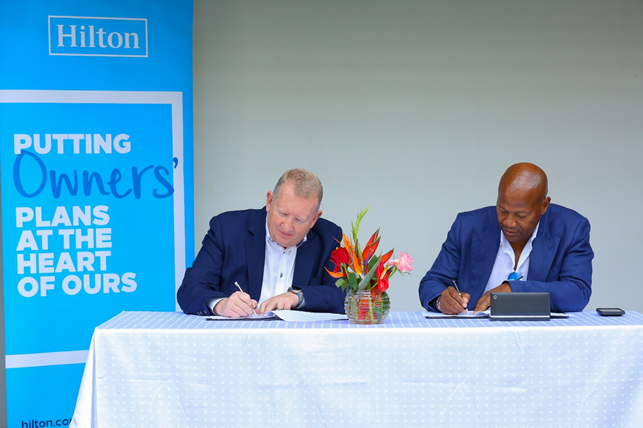
Hilton today announced the signing of Koko Beach Resort Ilashe Lagos, Curio Collection by Hilton during the Africa Hospitality Investment Forum (AHIF). The signing took place at the soon-to-open Kwetu Nairobi, Curio Collection by Hilton.  

Developed in partnership with Outposts Investment Limited, the stylish 60-room resort will bring a curated and authentic hospitality experience to Nigeria’s Atlantic coast.  Slated to open in 2025, Koko Beach Resort Ilashe Lagos, Curio Collection by Hilton will welcome guests to an area known for its pristine sandy beaches and lush natural surroundings. Drawing inspiration from the coast’s unique landforms, the resort will feature suites and three-to-four-bedroom private villas with stunning sea views and access to the resort’s private beach. It will also feature three restaurants serving a range of local and international cuisine, a lounge, and a lobby coffee shop.  

Recreation enthusiasts can take a dip in the resort’s outdoor pool, opt for a relaxing massage at the spa, work up a sweat at the gym, or enjoy some water sports activities on the beach. Additional amenities include horse stables with a 630-metre coastline, a cinema, a sports complex and a meeting room and ballroom accommodating up to 750 guests.  

Commenting on the signing, Carlos Khneisser, vice president, development, Middle East & Africa, Hilton said: “We are delighted to partner with Outposts Investment Limited on this remarkable project as we continue to expand Hilton’s portfolio of world-class brands throughout Africa. Koko Beach Resort Ilashe Lagos represents Hilton’s third Curio Collection property in Africa, joining the already operating Legend Hotel Lagos Airport, Curio Collection by Hilton and the soon-to-open Kwetu Nairobi, Curio Collection by Hilton. We look forward to welcoming guests to an authentic hospitality experience backed by Hilton’s globally recognised service at this outstanding property.”  

Koko Beach Resort Ilashe Lagos, Curio Collection by Hilton will be located close to Snake Island with its long coastline stretching from the Badagry Creek lagoon down to the Atlantic Ocean. The abundance of coconut trees is visible from afar and the island is well known for its privacy and exclusive homes. The resort name takes homage from the coconut tree, which is often referred to as the “Tree of Life” because of its cultural significance. The property is accessible by helicopter or by boat from the main centres in Southern Lagos and a 30-minute shuttle service is operated from designated docks in Lekki, Ikoyi, and Victoria Island in Lagos State.  

Richard Shittu, CEO, of Outposts Investment Limited and owner, Koko Beach Resort Ilashe Lagos, Curio Collection by Hiltoncommented: “We are incredibly proud to be partnering with Hilton to introduce Koko Beach Resort Ilashe Lagos, Curio Collection by Hilton. Hilton brings on board more than a century of leading hospitality expertise and we look forward to providing guests a curated experience at this unique beachfront destination.” 

Hilton currently operates two hotels in Nigeria — Transcorp Hilton Abuja and Legend Hotel Lagos Airport, Curio Collection by Hilton – and 43 hotels in Africa, with another 65 in the pipeline including Kwetu Nairobi, Curio Collection by Hilton, Hilton Kinshasa and Waldorf Astoria Platte Island.  

Koko Beach Resort Ilashe Lagos, Curio Collection by Hilton will also be a part of Hilton’s award-winning guest loyalty program, Hilton Honors, where members who book directly through preferred Hilton channels have access to instant benefits, including a flexible payment slider that allows members to choose nearly any combination of Points and money to book a stay, an exclusive member discount and free standard Wi-Fi. For more information about Curio Collection by Hilton visit Stories from Hilton.  

Aghaze To Tinubu: Harness Business Skills of Nigerians In Diaspora

Aghaze To Tinubu: Harness Business Skills of Nigerians in Diaspora

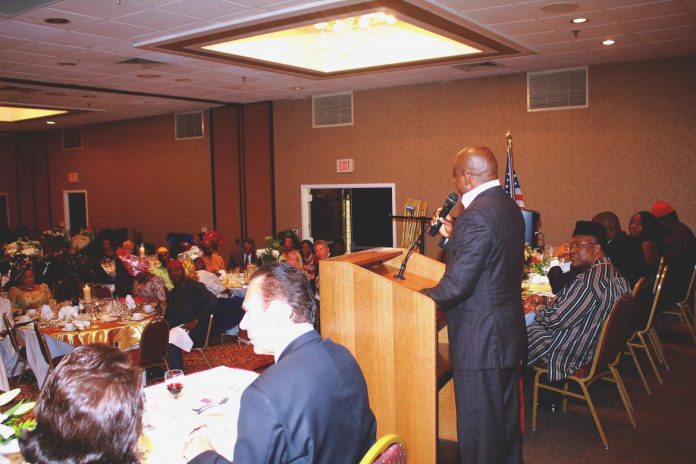
In a bid to revitalise Nigeria’s economy and leverage the immense potential of its citizens living abroad, prominent entrepreneur and business leader, Osayande Aghaze has advised the newly inaugurated President, Bola Tinubu, to tap into the vast business skills and expertise of Nigerians in the diaspora.

Speaking with BizWatch Nigeria, Aghaze, a Nigerian-American, who’s a highly-revered Hollywood filmmaker, e-Commerce operator, herbal healthcare products manufacturer, and real estate merchant, amongst other things, expressed his belief that Nigeria’s diaspora community holds significant untapped resources and could play a pivotal role in driving the country’s economic growth.

Maintaining that Nigeria is blessed with millions of highly skilled professionals, entrepreneurs, and experts spread across the globe, Aghaze emphasized the need to establish robust mechanisms that would attract their investments, knowledge, and networks back to Nigeria.

“It’s imperative for Nigeria’s New President to Harness the Professional and business skills of Nigerians in the Diaspora. Nigeria has a rich pool of talented professionals and entrepreneurs scattered across the globe. These Nigerians in the diaspora possess a wealth of business knowledge, skills, and expertise that can contribute significantly to the development and growth of their home country.

“Nigeria’s diaspora community represents an invaluable asset that the new president must tap into for the country’s progress. By utilizing the professional and business skills of Nigerians abroad, the leadership can access a vast pool of knowledge, promote economic development, strengthen diplomatic relations, and foster national unity,” he stated.

Deloitte Backs FG On Petrol Subsidy Removal, Predicts Increased Inflation

Subsidy Removal: NLC Blasts FG's Move For ₦‎500bn As Palliatives

Deloitte, a finance and accounting firm, has backed the Federal Government, FG, on the petrol subsidy removal, a development that had stirred controversy among economy experts.

In a document in which it highlighted the short-term pain and long-term pain of the petrol subsidy removal, Deloitte argued that subsidies come at an enormous cost to the government.

”Between 2016 and 2023, the FGN is estimated to have spent N11.7 trillion on fuel subsidies. In 2022 alone, the FGN spent N4.39 trillion on fuel subsidies. This is 17.16% of the country’s total import bill of N25.59 trillion as of December 2022 and 24.2% of the revised 2022 FGN budget of NGN 18.14 trillion.

”In the 2023 FGN budget, NGN 3.6 trillion was budgeted for fuel subsidy payments until June 30. This is equivalent to a subsidy per capita of NGN 18,000. Meanwhile, Nigeria has a health budget per capita of N5,750 and an education budget per capita of N8,950. This reflects the huge amount being spent on fuel subsidies compared to critical sectors of the economy. Bearing in mind that the subsidy projection is only for six months, the 6-month budget projection for the aforementioned sectors will be sharply lower,” the document read partly.

Deloitte predicts inflation rise

Noting that the new price of petrol is more than a 150% increase, Deloitte explained that it implies that consumer prices will rise further. ”Transporters were the first to respond to the price increase, raising their fares by at least 100%. Transport costs account for about 6% of the consumer basket but the spillover effect is sharply higher. For instance, despite the fact that the bulk of food transportation across the country is via diesel-fired trucks, food prices are expected to skyrocket with the increase in petrol prices,” it added.

Diesel is sold at a nationwide average of N842 per litre, according to the National Bureau of Statistics’, NBS, Automotive Gas Oil (Diesel) price watch for April.

Citing the NBS report, Deloitte explained that inflation numbers for June will be sharply higher.

It explained, ”Nigeria currently has an inflation rate of 22.22% as of April 2023. Higher fuel and energy costs coupled with the ongoing planting season will be inflation triggers in the next couple of months. This suggests that the tightening stance of the CBN may be here to stay for a little while longer.”

BizWatchNigeria.Ng
Privacy Overview

This website uses cookies so that we can provide you with the best user experience possible. Cookie information is stored in your browser and performs functions such as recognising you when you return to our website and helping our team to understand which sections of the website you find most interesting and useful.